
Interface Converters
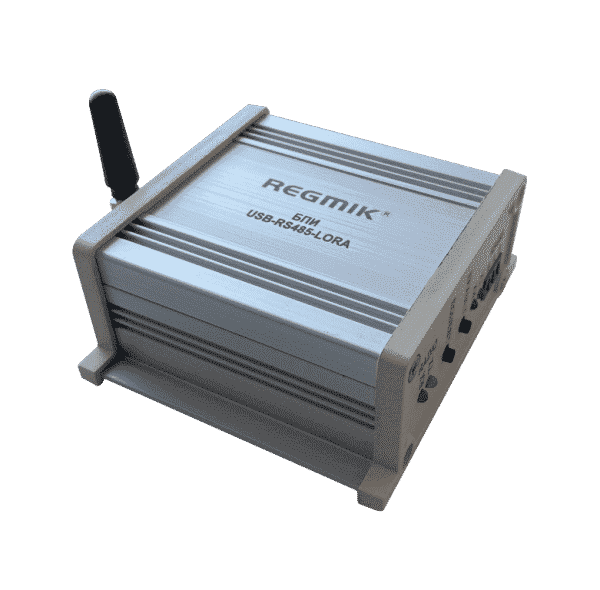
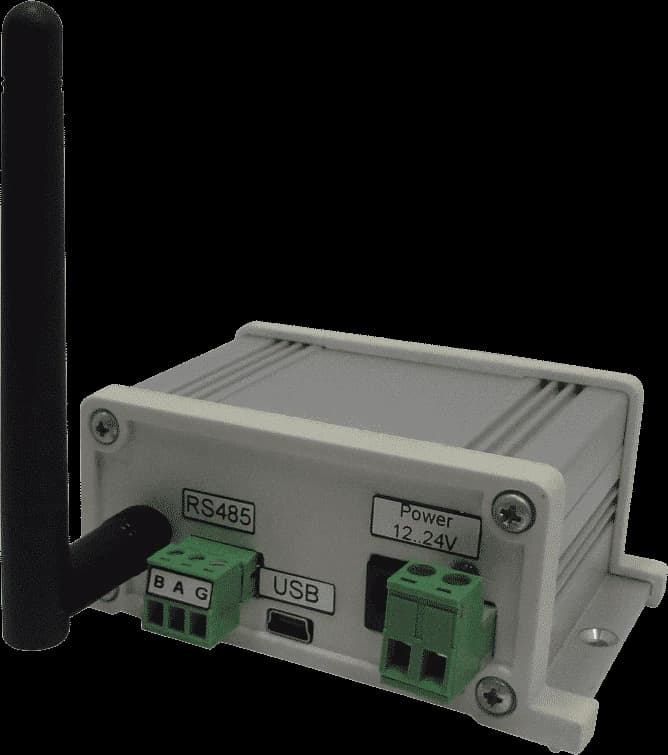
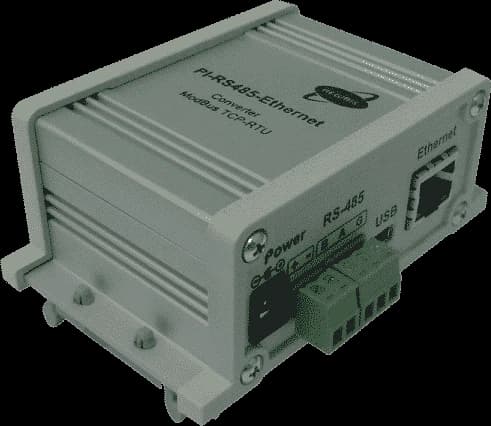
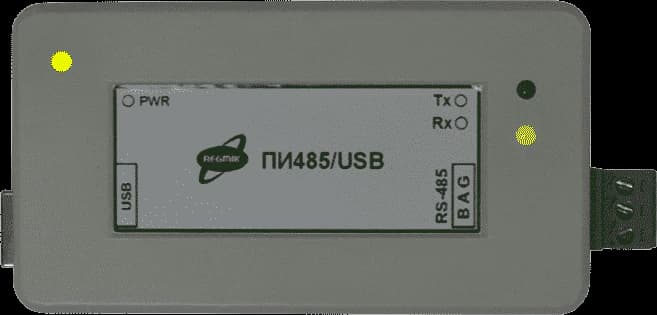
REGMIK Interface Converters are designed for data exchange between automation devices, controllers, computers, operator panels, and measuring equipment. The devices ensure harmonization of different communication interfaces and allow integrating equipment into a unified control and dispatching system.
Assortment
Products
Interface Converters
Interface converters are used to transfer data between devices with different communication standards. They allow combining sensors, controllers, loggers, operators' panels, and computers into a unified automation system without the need to replace equipment.
In industrial networks, there is often a need to connect devices with different data transmission interfaces. Interface converters solve this problem by converting signals between different physical and software communication protocols, ensuring reliable information transfer and stable system operation.
What Interface Converters Are Used For
The primary purpose of such devices is to ensure compatibility between equipment from different manufacturers and generations.
Key tasks:
- connecting instruments to a computer;
- integrating equipment into automation systems;
- data transfer between controllers;
- dispatching technological processes;
- combining devices into an industrial network;
- increasing data transmission distance;
- harmonizing different communication standards;
- connecting equipment to SCADA systems;
- organizing remote monitoring.
Main Types of Interface Converters
RS485 – USB
Used for connecting industrial devices with RS485 interface to a personal computer or laptop via USB port. Most commonly used for device configuration, programming, and monitoring.
RS232 – RS485
Allow combining equipment with different serial data transmission interfaces. Such solutions are often applied during modernization of existing automation systems.
USB – RS232
Provide connection of RS232 interface equipment to modern computers that lack the corresponding COM port.
Modbus Converters
Used to integrate devices supporting the Modbus RTU protocol into automation and dispatching systems.
Isolated Interface Converters
Provide galvanic isolation between connected devices and increase system resistance to electromagnetic interference and overvoltages.
Where They Are Applied
Interface converters are widely used in industrial and engineering systems.
Main application areas:
- industrial automation;
- dispatching systems;
- SCADA systems;
- energy monitoring systems;
- ventilation and air conditioning;
- heat supply points;
- boiler houses;
- pump stations;
- manufacturing enterprises;
- laboratory equipment;
- energy resource accounting systems;
- server rooms and dispatch centers.
In most modern automation systems, interface converters provide data exchange between field equipment and the upper control level.
Supported Interfaces
Depending on the model, supported interfaces may include:
- RS485;
- RS232;
- USB;
- Modbus RTU;
- Modbus ASCII;
- Ethernet;
- TTL;
- UART;
- COM port;
- other industrial data transmission interfaces.
The most common interface in automation systems is RS485 due to its capability to work over long distances and connect several devices in one network.
How to Choose an Interface Converter
When choosing, consider the following:
- type of data source interface;
- type of receiver interface;
- data transmission protocol;
- communication speed;
- need for galvanic isolation;
- communication line length;
- number of connected devices;
- operating conditions;
- mounting method;
- software compatibility.
For connecting controllers, meters, and loggers to a computer, USB–RS485 converters are most commonly used. More specialized solutions with support for specific protocols may be required for integrating equipment from different manufacturers.
Advantages of Use
Interface converters enable the creation of flexible and scalable automation systems.
Main advantages:
- compatibility of equipment from various manufacturers;
- quick integration of new devices;
- stable data transmission;
- increased communication range;
- reduced costs for system modernization;
- support of industrial protocols;
- protection against electromagnetic interference;
- possibility of connection to SCADA systems;
- ease of installation and configuration.
Buy REGMIK Interface Converters
Our catalog features REGMIK interface converters for connecting sensors, controllers, loggers, controllers, and other automation equipment. Solutions are available for working with RS485, RS232, USB, and industrial data transmission protocols.
Our specialists will help you choose an interface converter according to the type of equipment, communication protocol, and requirements of your automation system.