
Level Controllers and Indicators
Level controllers and indicators are used to monitor liquid levels in tanks, reservoirs, wells, and pumping stations. Controllers receive signals from level sensors or electrodes and control pumps, valves, relays, or alarms depending on the specified operating mode.
Assortment
Products
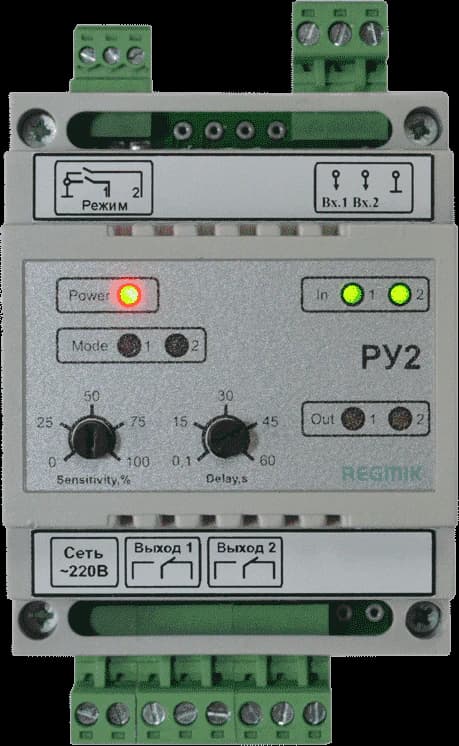
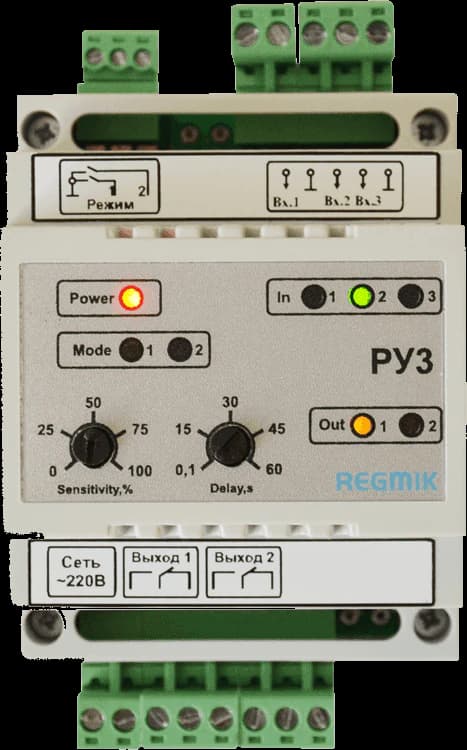
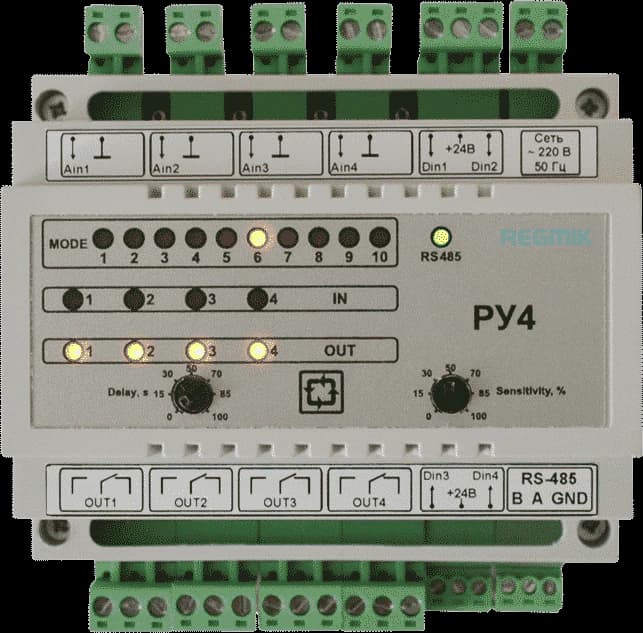
Level Controllers and Indicators
Level controllers and indicators are designed to monitor the minimum, maximum, or intermediate liquid levels in tanks, reservoirs, wells, accumulation units, pumping stations, and technological equipment. They receive signals from level sensors or electrodes, process them, and control output devices according to the specified operating mode.
These devices are used for automatic filling or emptying of containers, protecting pumps from dry running, preventing overflow, monitoring emergency levels, and sending signals to control or alarm systems.
What Level Controllers and Indicators Are Used For
A level controller and indicator allows automating liquid level control without constant operator involvement. When a set limit is reached, the device switches the output contact, turns the pump on or off, opens a valve, activates light or sound alarms, or sends a signal to an automation system.
Main tasks include:
- minimum level control;
- maximum level control;
- protection of pumps from dry running;
- automatic tank filling;
- automatic container emptying;
- emergency level signaling;
- control of pump, valve, or relay;
- sending signals to control cabinets, PLCs, or dispatch systems.
Where Level Controllers and Indicators Are Applied
Level controllers and indicators are used in engineering, industrial, and utility systems where it is necessary to monitor the presence or height of liquid in a container.
Main application areas include:
- pumping stations;
- water supply systems;
- sewage systems;
- technical water reservoirs;
- wells and accumulation tanks;
- boiler rooms and heating points;
- treatment facilities;
- drainage systems;
- technological vessels;
- industrial production lines;
- liquid dosing systems;
- food, chemical, and municipal sectors.
In pumping systems, such devices are often used to protect equipment from dry running. In tanks, they help avoid overflow or liquid shortage. In technological processes, level controllers and indicators ensure a stable supply of the medium and control of set limits.
Operating Principle
The device receives a signal from connected sensors or level electrodes. When the liquid reaches the control point, the input signal state changes. The controller processes this change and generates an output command.
Depending on the operating scheme, the device can control one or multiple levels. For example, in filling mode, the pump turns on when the level drops to the minimum limit and turns off after reaching the upper limit. In emptying mode, the logic is opposite: the pump starts when the upper level is reached and stops after the liquid level lowers to the bottom limit.
Connection Types and Output Signals
Level controllers and indicators can operate with various types of primary transducers and have several output options for controlling equipment.
Common connection types include:
- electrode level sensors;
- float sensors;
- contact level sensors;
- discrete signals;
- minimum and maximum level sensors.
Possible output signals:
- relay output;
- transistor output;
- alarm output;
- discrete signal for controllers;
- control of pump, valve, or intermediate relay.
Relay output is convenient for simple control schemes of pumps and alarms. Discrete signals are used to transmit level status to automation systems or control cabinets.
How to Choose a Level Controller and Indicator
When selecting a device, you need to consider the type of medium, number of monitored levels, equipment operating scheme, and connection method.
Key selection criteria:
- number of monitored levels;
- operating mode: filling, emptying, or alarm signaling;
- type of connected sensors;
- liquid conductivity if electrodes are used;
- number and type of output relays;
- permissible load on the output;
- device power supply voltage;
- mounting method: panel, DIN rail, or enclosure;
- operating conditions;
- need for pump dry-run protection;
- requirement for overflow or emergency level signaling;
- compatibility with control cabinets, PLCs, or dispatch systems.
For simple control of two limits in a tank, a device with inputs for minimum and maximum levels is sufficient. For pumping stations, it is important to provide dry-run protection. For technological vessels, it is advisable to choose a model with a separate alarm output or possibility to connect to automation systems.
Advantages of Use
Level controllers and indicators increase the reliability of pump and technological equipment operation, reduce the risk of emergencies, and simplify liquid control in containers.
Main advantages:
- automatic liquid level control;
- protection of pumps from dry running;
- prevention of tank overflow;
- possibility of filling or emptying control;
- easy integration into control cabinets;
- operation with various types of level sensors;
- connection of alarms or actuators;
- reduced operator involvement;
- increased system safety;
- stable operation of the technological process.
Buy Level Controllers and Indicators
Our catalog features level controllers and indicators for liquid monitoring in tanks, reservoirs, wells, pumping stations, and technological vessels. The devices are suitable for automatic pump control, dry-run protection, overflow signaling, and minimum or maximum level monitoring.
We will help select a level controller and indicator according to sensor type, number of monitored levels, operating mode, connection scheme, and your automation system requirements.