
Controllers
Controllers are designed to receive signals from sensors, process measured values, and control actuators depending on the set operating mode. The catalog offers temperature controllers, PID controllers, and models for monitoring technological parameters with various types of inputs, outputs, and mounting options.
Sections
Subcategories
Assortment
Products
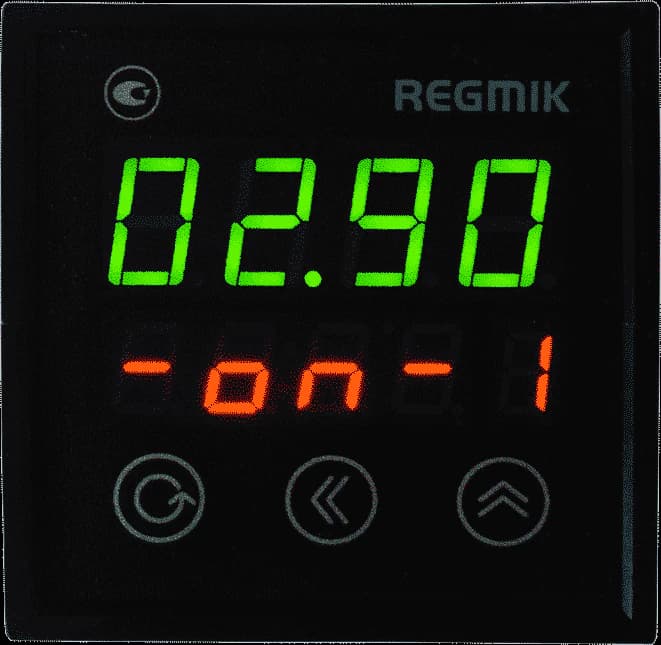 8-Channel PID Controller RP8
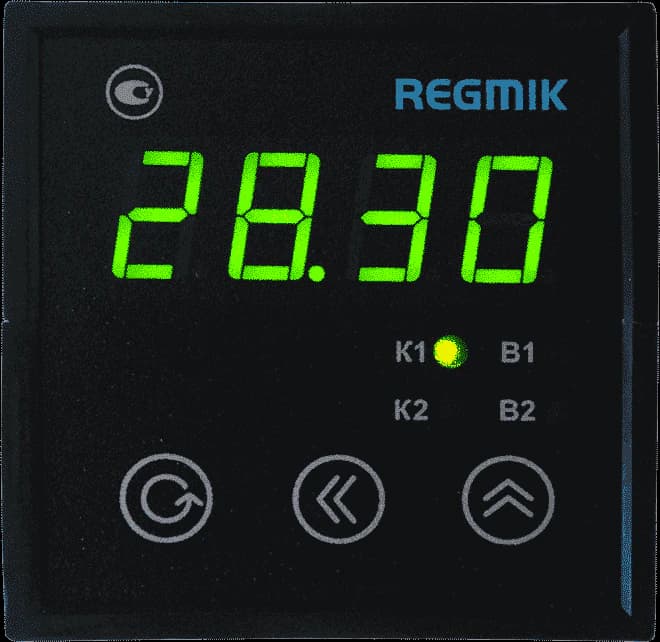 Dual-channel PID Controller for Gate Valves and Three-position Valves RP2-Z
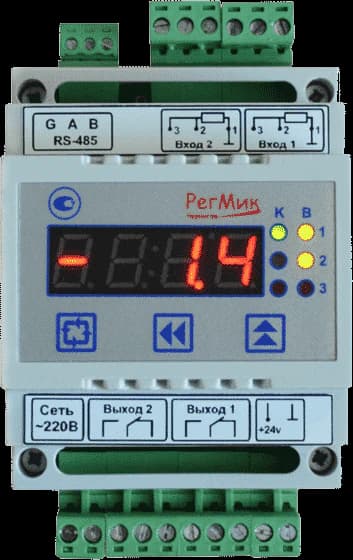 Dual-Channel PID Controller for Controlling Gate Valves and Three-Position Valves RP2-Z
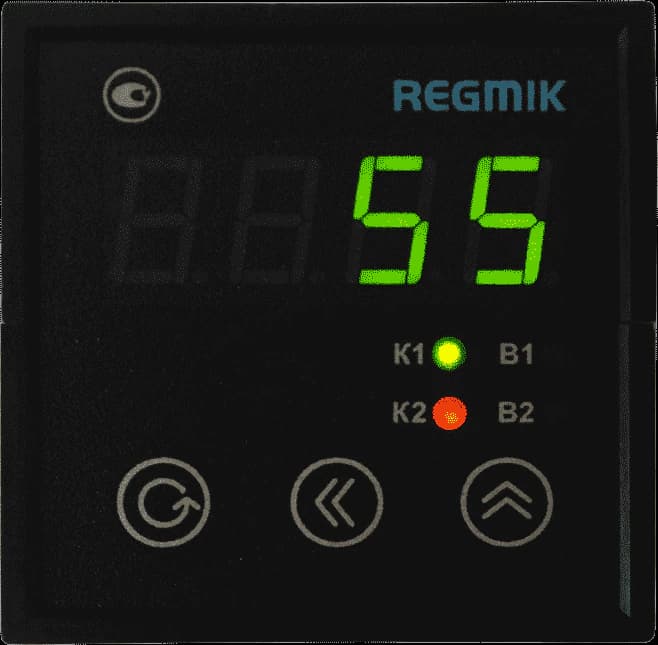 Two-Channel PID Controller with Analog Outputs RP2
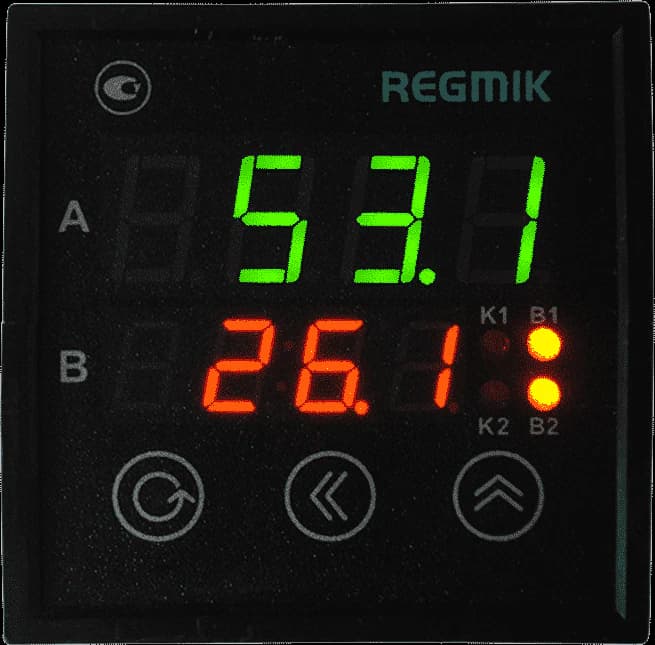 Two-Channel PID Controller RP2 with Discrete Outputs
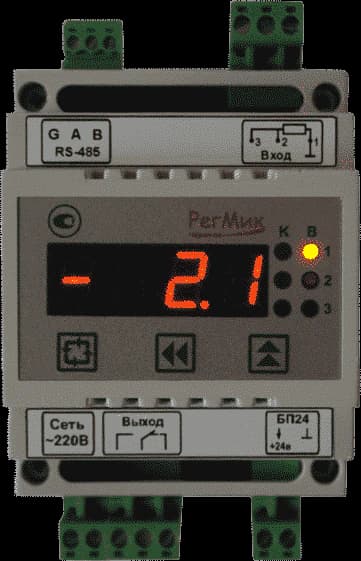 PID Controller for Gate Valves and Three-Position Valves RP1-3
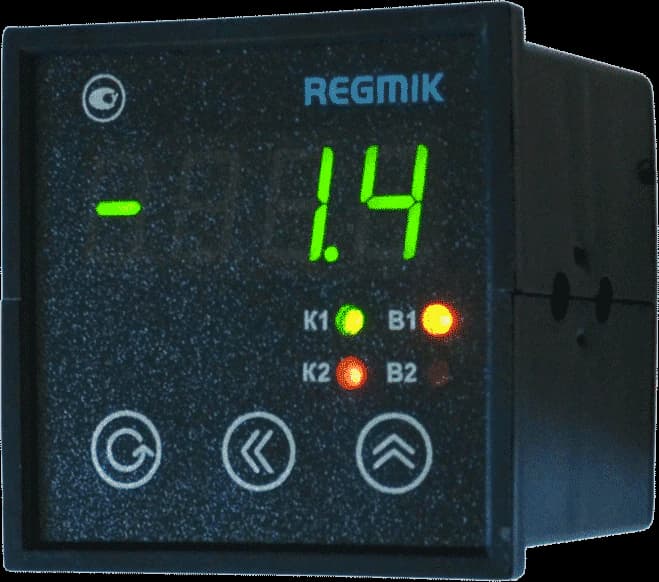 Single-channel PID regulator for control of shut-off and three-position valves RP1-3
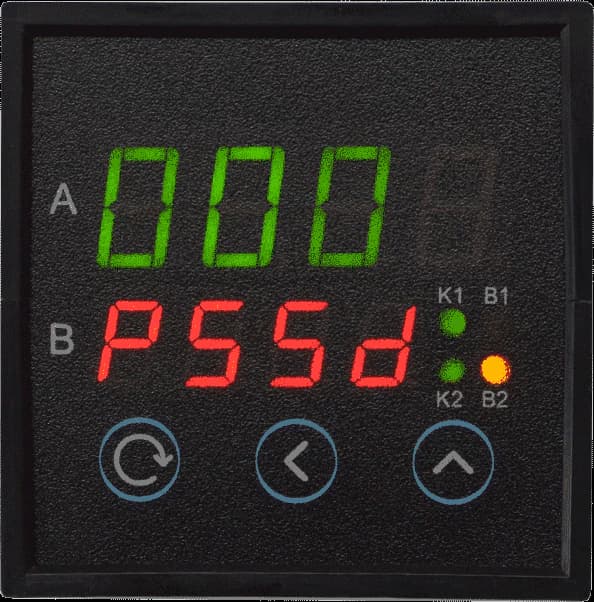 PID Single-Channel Controller RP1
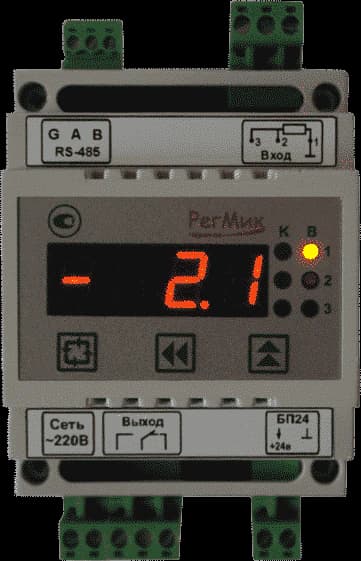 Single-channel PID Controller RP1-D
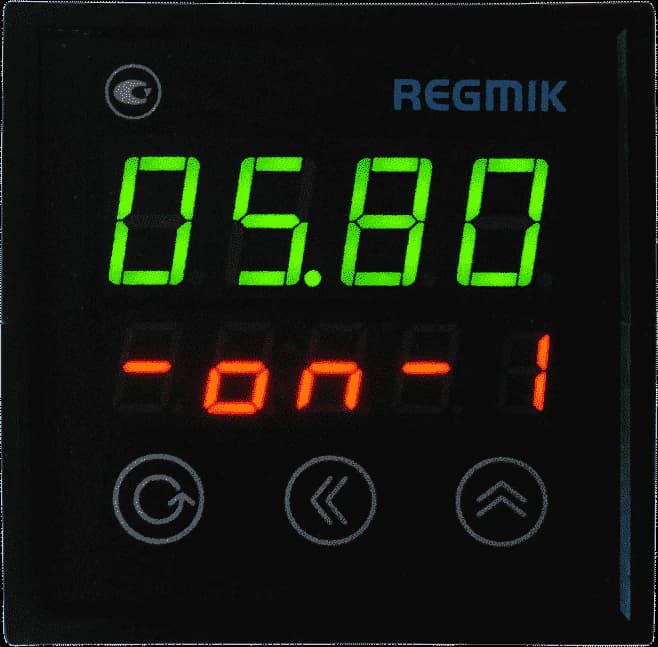 Four-Channel PID Controller RP4
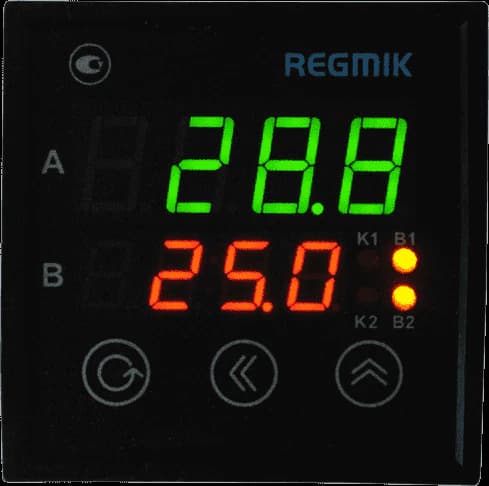 Humidity and Temperature Regulator RD2-DVTts
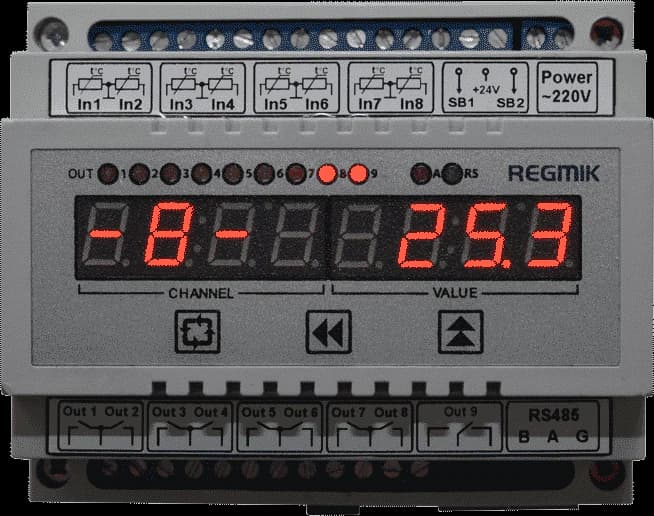 Two-position Eight-channel Programmable Regulator RD8-D6
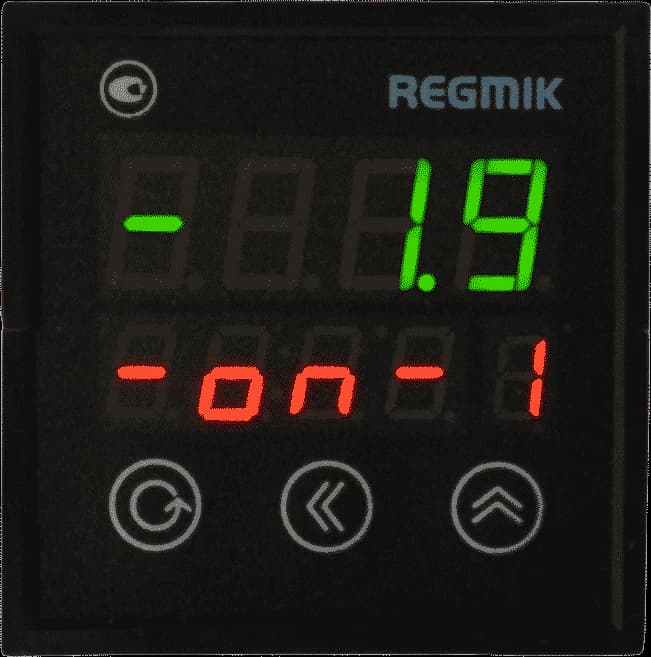 Eight-Channel Two-Position Regulator RD8
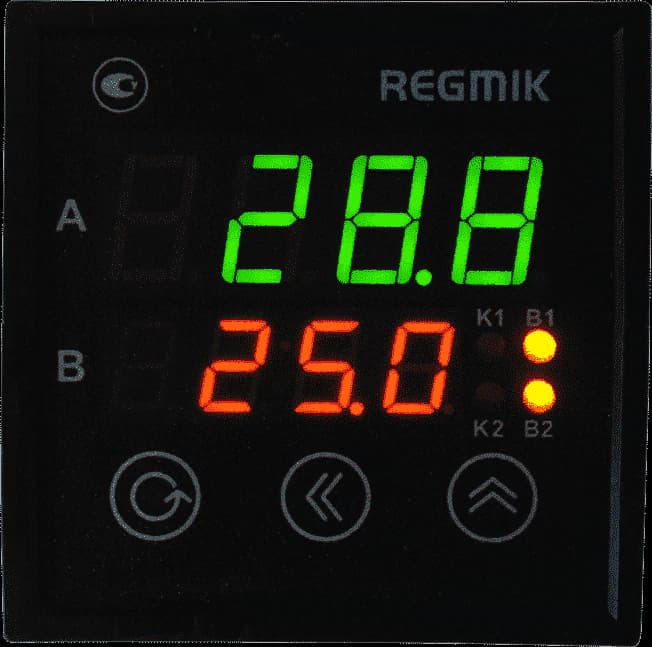 Two-position two-channel regulator RD2
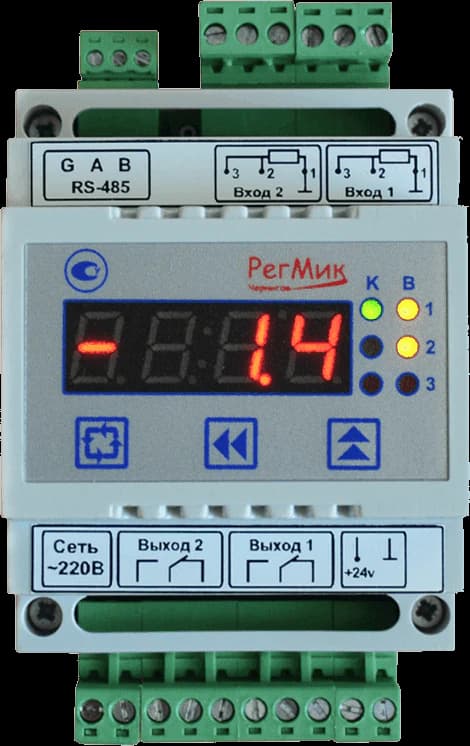 Two-position Two-channel Controller RD2-D4
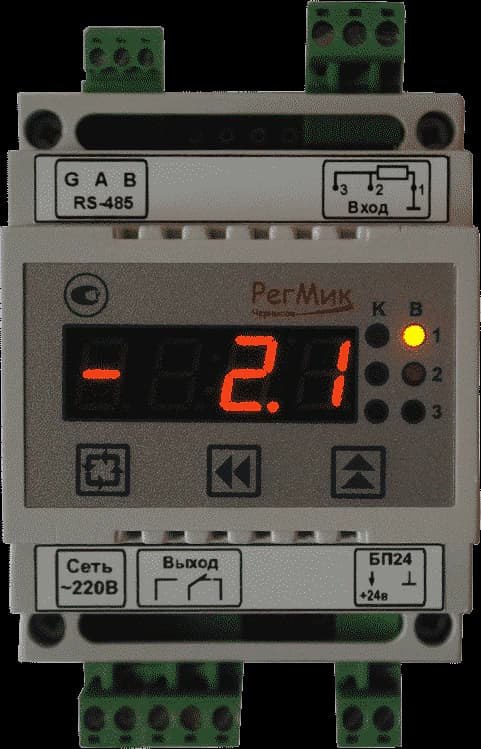 Two-position Single-channel Controller RD1
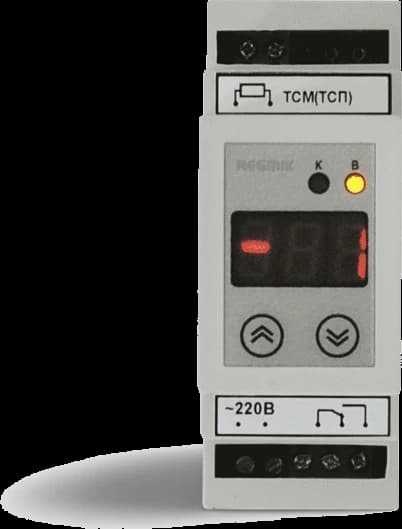 Two-position Single-channel Regulator RD1-D2
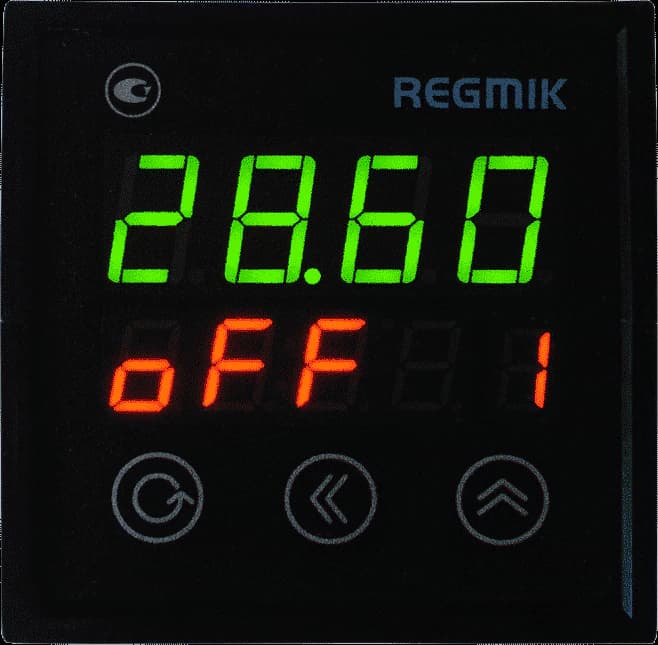 Three-channel two-position regulator RD3RD4 Four-Channel Two-Position Regulator
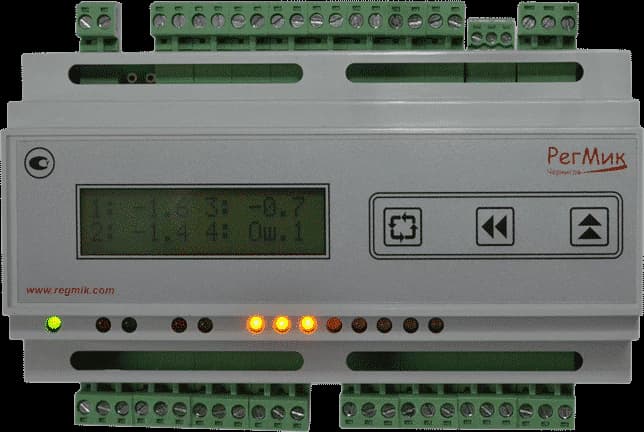 Regulator for Generator Control RD2-06
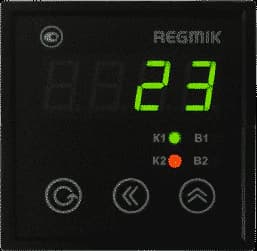 Edge Banding Machine Controller RD2-03
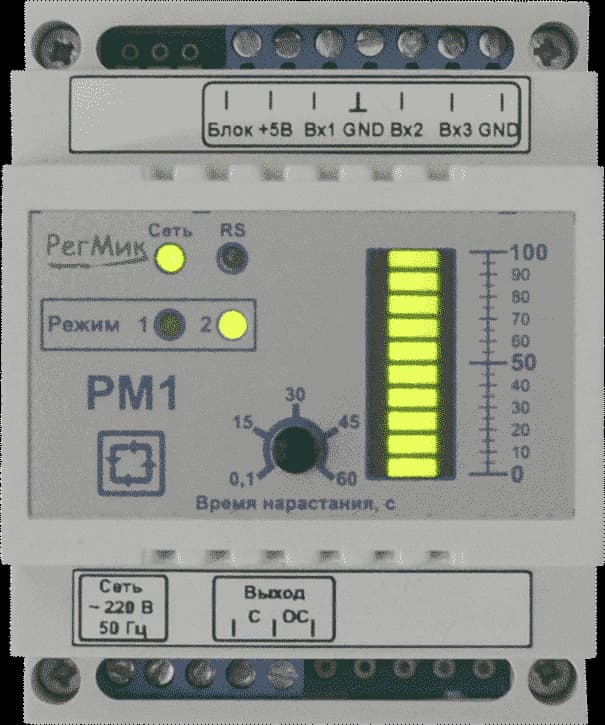
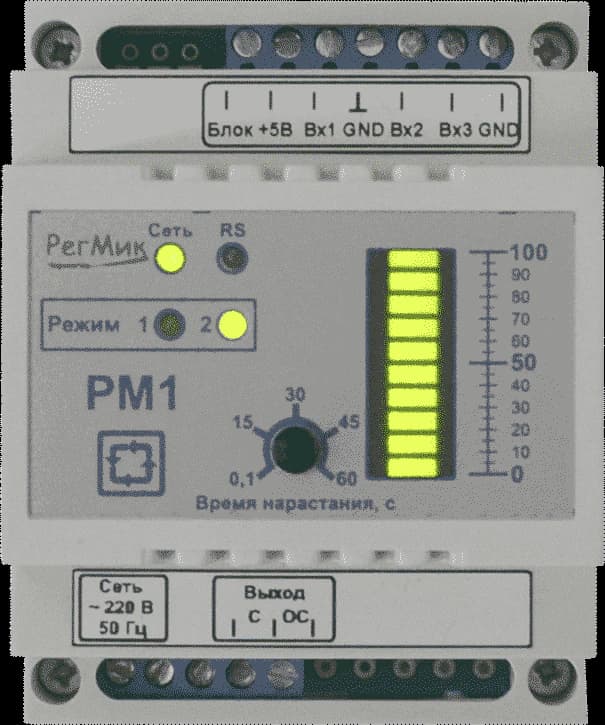 Power Regulator RM1Power Controller RM1-3
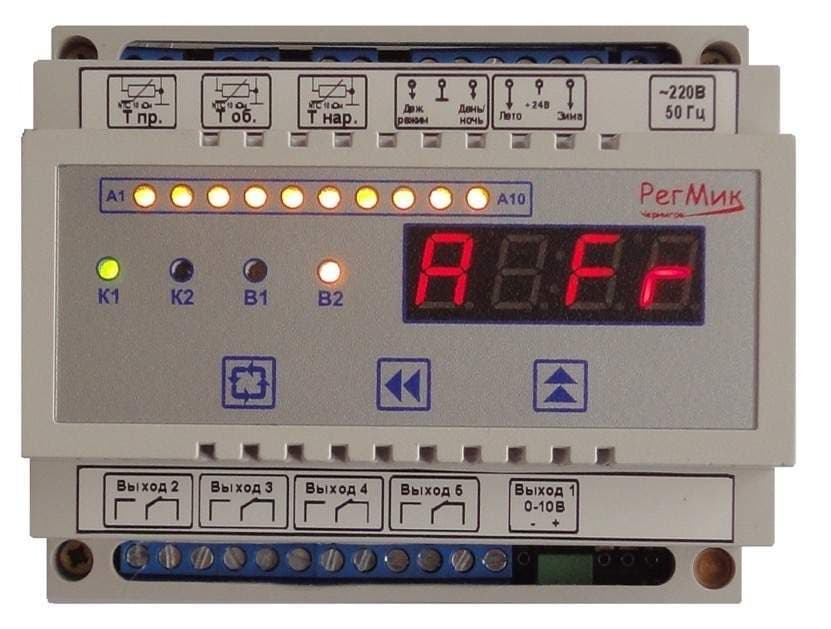 Supply Ventilation Regulator with Water Heater RP2-V
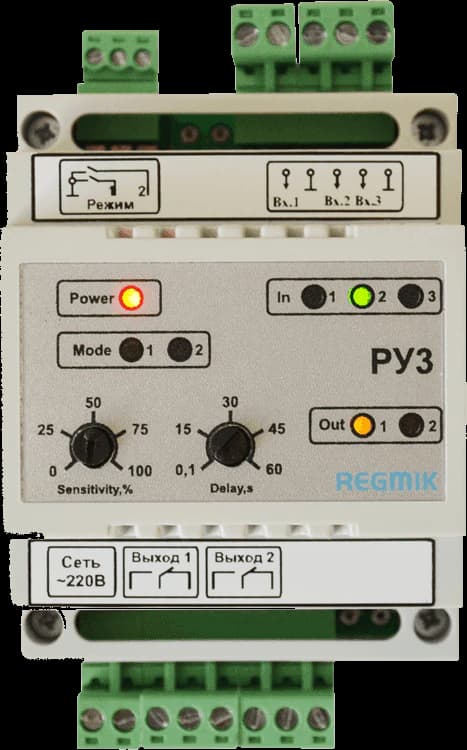
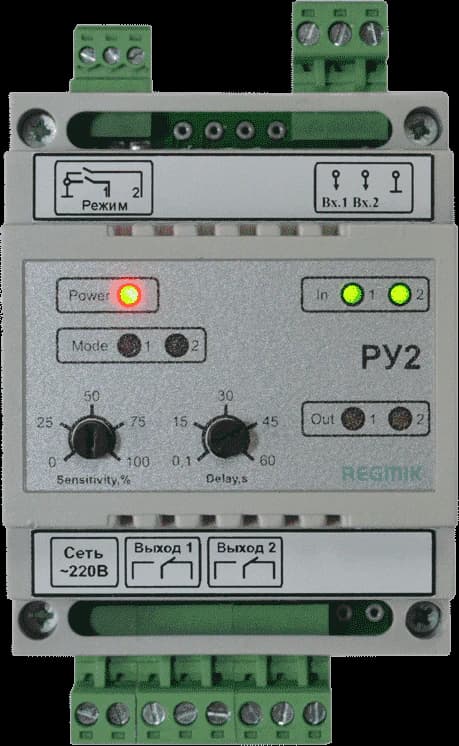 Two-channel Level Controller RU2
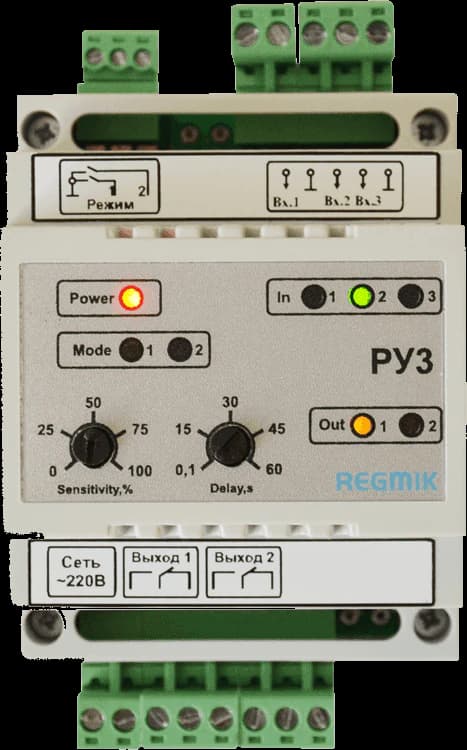 Three-channel Level Regulator RU3
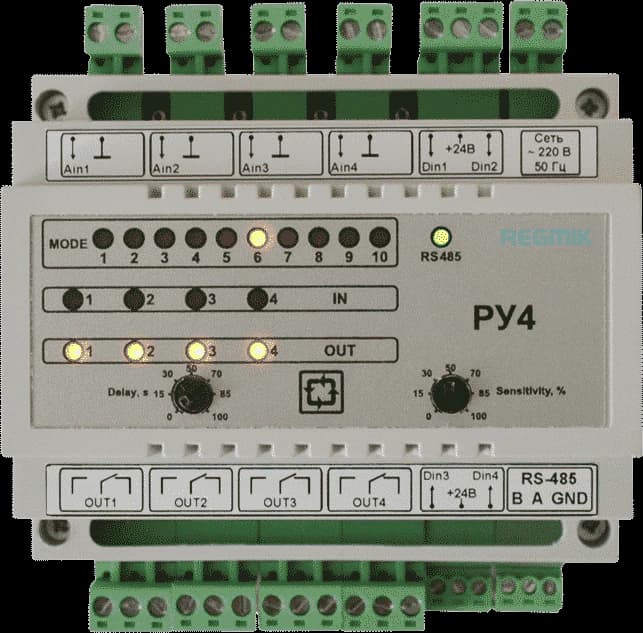 4-Channel Level Controller RU4
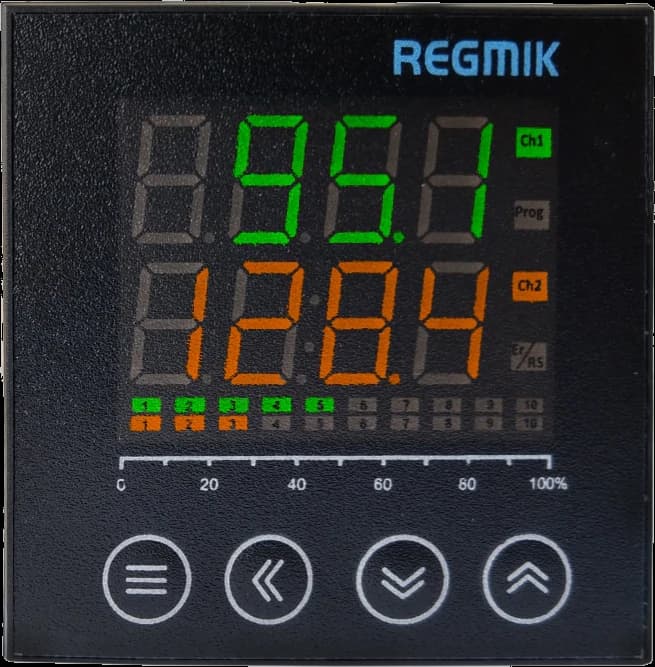 Temperature Controller with Timer RP2-UTemperature Controller for Edge Banding Machine RD3-02
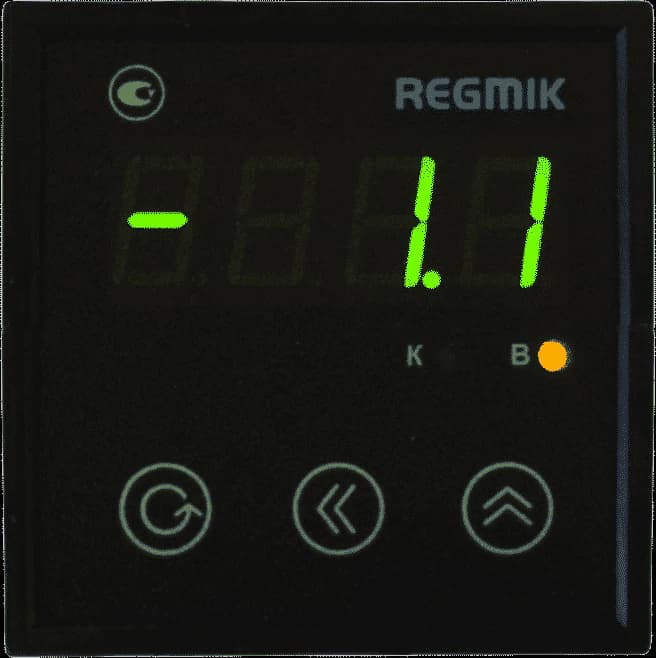 Single-Channel Temperature Controller RD1
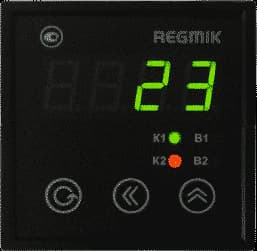 RP2-06C Temperature Controller
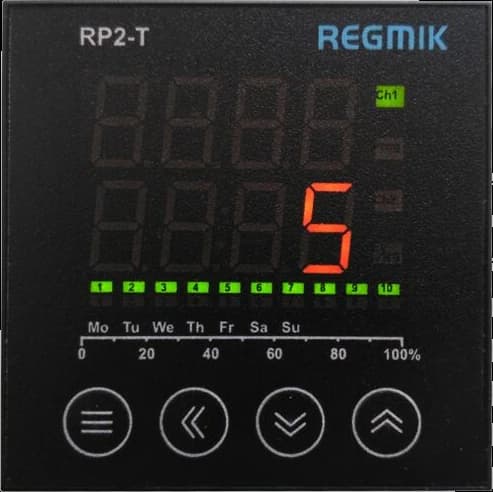 Universal Two-Channel Counter-Timer RP2-T
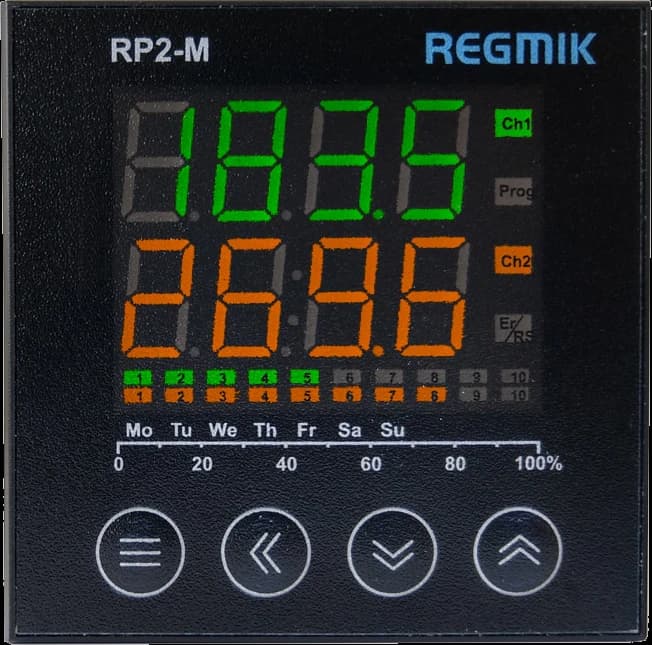
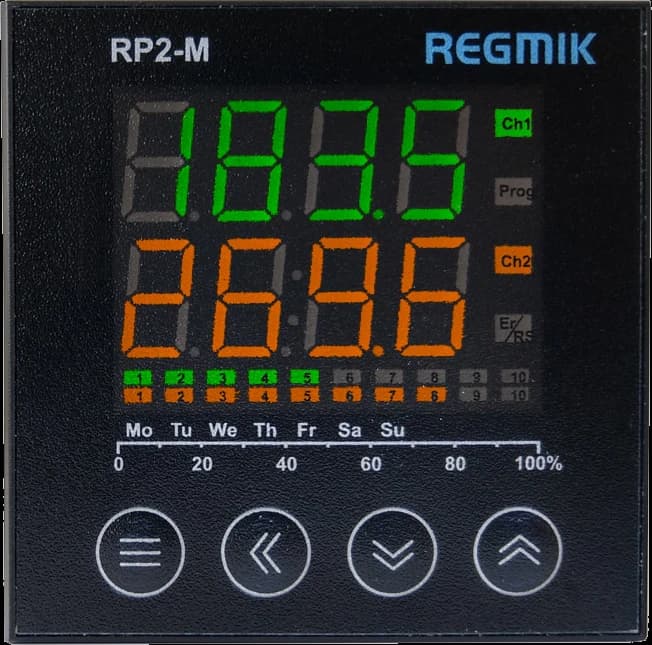 Universal two-channel device RP2-M
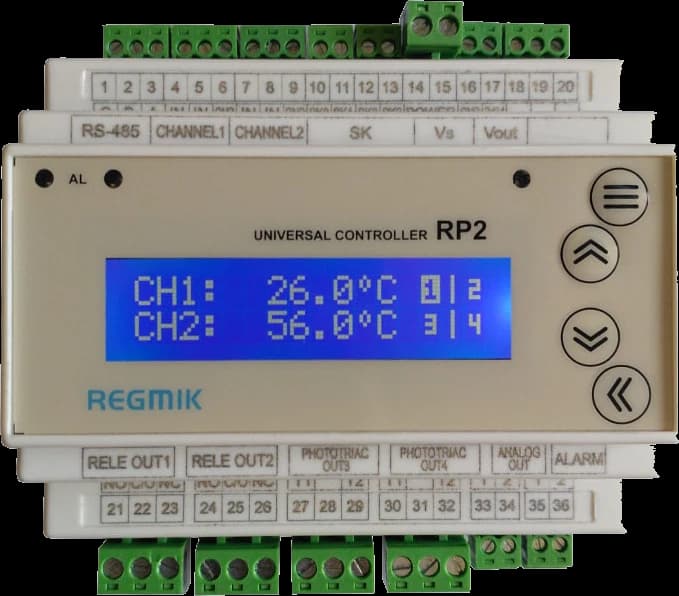 Universal RP2-M Controller on DIN Rail
Controllers
Controllers are designed to receive, process, and convert signals from primary transducers, sensors, and measuring instruments. Depending on settings and the selected operating mode, they control output devices: relays, valves, heaters, pumps, fans, dampers, drives, triac units, or other actuators.
Temperature controllers are among the most common types of automation devices. They are used to maintain a set temperature in technological processes, heating systems, ventilation, refrigeration equipment, drying chambers, boilers, furnaces, thermostats, and production installations.
What controllers are used for
A controller receives a signal from a sensor, compares the current value with a set parameter, and generates a command for the actuator. If temperature, pressure, humidity, level, or another parameter deviates from the set value, the device automatically turns equipment on, off, or smoothly adjusts its operation.
Temperature controllers allow maintaining a stable thermal regime without constant operator supervision. For example, when the temperature drops, the controller can turn on a heater and then switch it off or reduce power after reaching the set value. In more complex systems, the device can operate using a PID algorithm, providing precise and smooth regulation without sharp fluctuations.
Main types of controllers
Temperature controllers
Used for automatic temperature control in industrial and household systems. They work with thermocouples, resistance thermometers Pt100, Pt1000, NTC, PTC, and other temperature sensors. Temperature controllers can control heaters, coolers, fans, valves, relays, solid-state relays, and triac units.
PID controllers
PID controllers provide precise management of technological parameters, taking into account current deviation, process rate of change, and accumulated error. Such devices are often used where high stability is required: in furnaces, drying chambers, heat exchangers, dosing systems, and production lines.
Controllers with relay output
Simple and reliable devices for load control based on on/off switching principles. They are suitable for tasks where discrete regulation is acceptable: controlling a pump, fan, heater, alarm, or valve.
Controllers with analog output
Generate a 4–20 mA or 0–10 V signal for smooth control of actuators. These models are used to work with frequency converters, electric drives, regulating valves, and other devices requiring proportional adjustment of the control signal.
Multichannel controllers
Allow simultaneous control of several parameters or zones. This is convenient for thermal chambers, drying equipment, multizone heaters, technological lines, and complex automation systems.
Where temperature and process controllers are used
Controllers are used in systems where it is necessary to automatically maintain the set operating mode of equipment.
Main application areas:
- heating, ventilation, and air conditioning systems;
- boiler rooms and heating points;
- drying chambers;
- industrial furnaces;
- refrigeration units;
- greenhouses and climate chambers;
- food industry;
- chemical production;
- pumping stations;
- compressor equipment;
- production lines;
- technological tanks;
- laboratory equipment;
- electrical switchgear equipment;
- industrial automation systems.
In heating systems, temperature controllers manage heating elements, heaters, or triac units. In refrigeration equipment, they can start a compressor or fan. In ventilation and climate systems, the controller maintains set temperature or humidity by controlling valves, dampers, or drives.
Input signals of controllers
Controllers can work with various types of input signals from sensors and transducers:
- thermocouples;
- Pt100;
- Pt1000;
- NTC / PTC;
- 4–20 mA;
- 0–10 V;
- 0–5 V;
- discrete signals;
- pulse signals;
- signals from pressure, level, humidity, flow, or current sensors.
For heating control tasks, temperature controllers with connection to thermocouples or resistance thermometers are most often used. For industrial processes with transducers, models with universal 4–20 mA or 0–10 V inputs are convenient.
Output signals and control
Depending on the model, a controller can have one or multiple outputs:
- relay output;
- transistor output;
- triac output;
- output for SSR control;
- analog output 4–20 mA;
- analog output 0–10 V;
- alarm output;
- RS485 Modbus interface.
The presence of multiple outputs allows a single device to perform several functions: main regulation, alarm signaling, cooling control, fan start, or data transmission to a dispatch system.
How to choose a controller
When choosing a controller, it is necessary to consider the type of process, measured parameter, sensor, actuator, and accuracy requirements.
Key selection criteria:
- regulated parameter: temperature, pressure, humidity, level, flow, or other;
- type of input signal;
- measurement range;
- required accuracy;
- working algorithm: ON/OFF, PID, pulse, or proportional regulation;
- type of output;
- number of channels;
- presence of alarm signaling;
- RS485 Modbus support;
- mounting method: panel, cabinet, or DIN rail;
- power supply type;
- operating conditions;
- compatibility with sensors and actuators.
For simple heating tasks, a temperature controller with a relay output is sufficient. For precise temperature maintenance in furnaces, drying chambers, or production processes, PID temperature controllers are better. If smooth power or drive control is required, it is worth using a controller with analog output or SSR control output.
Advantages of using controllers
A properly selected controller allows automating the process, improving control accuracy, and protecting equipment from unstable operating conditions.
Main advantages:
- automatic maintenance of the set parameter;
- precise control of temperature and other values;
- reduced human factor influence;
- stable operation of the technological process;
- energy savings;
- equipment protection from overheating, overcooling, or emergency mode;
- possibility to connect to automation systems;
- flexible adjustment of operating modes;
- compatibility with various sensors and actuators.
Temperature controllers are especially important in processes where even slight thermal regime deviations can affect product quality, equipment safety, or production stability.
Buy controllers
Our catalog features controllers for industrial automation, heating, ventilation, drying, refrigeration, boiler, and technological equipment. You can find temperature controllers, PID controllers, models with relay, analog, transistor, or triac outputs, as well as devices with RS485 Modbus interface.
We will assist you in choosing a controller according to sensor type, measurement range, control algorithm, output signal, mounting method, and operating conditions.