
Discrete Control Regulators
Discrete control regulators are designed for automatic monitoring of technological parameters and equipment control in "on/off" mode. They are used to operate heaters, fans, pumps, contactors, alarms, and other actuators in automation systems.
Sections
Subcategories
Assortment
Products
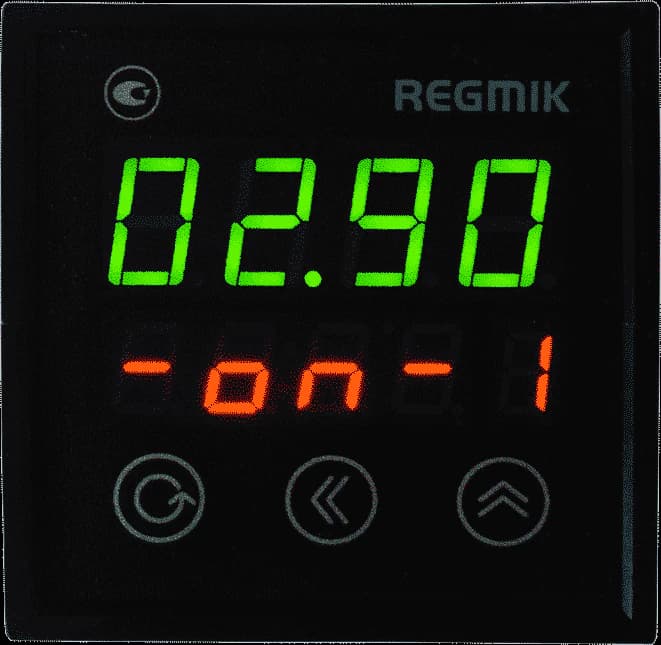 8-Channel PID Controller RP8
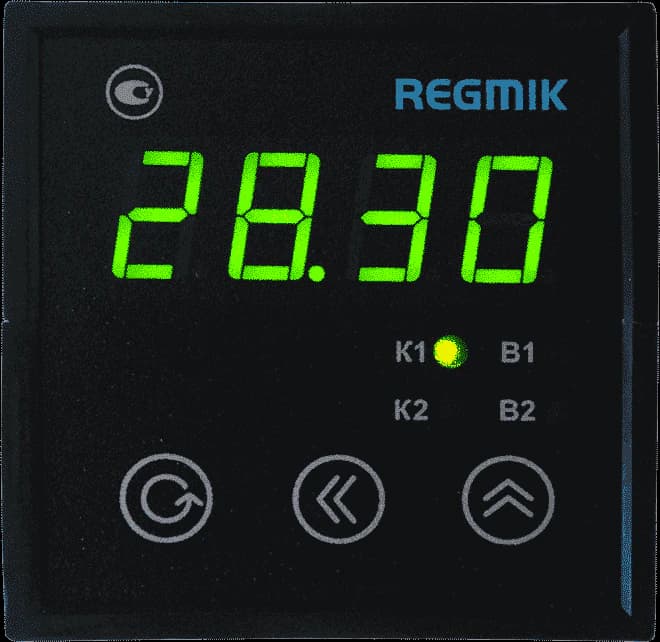 Dual-channel PID Controller for Gate Valves and Three-position Valves RP2-Z
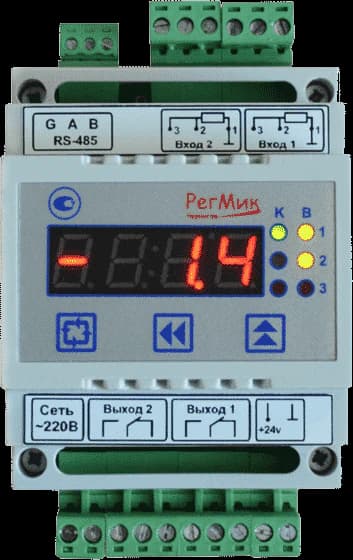 Dual-Channel PID Controller for Controlling Gate Valves and Three-Position Valves RP2-Z
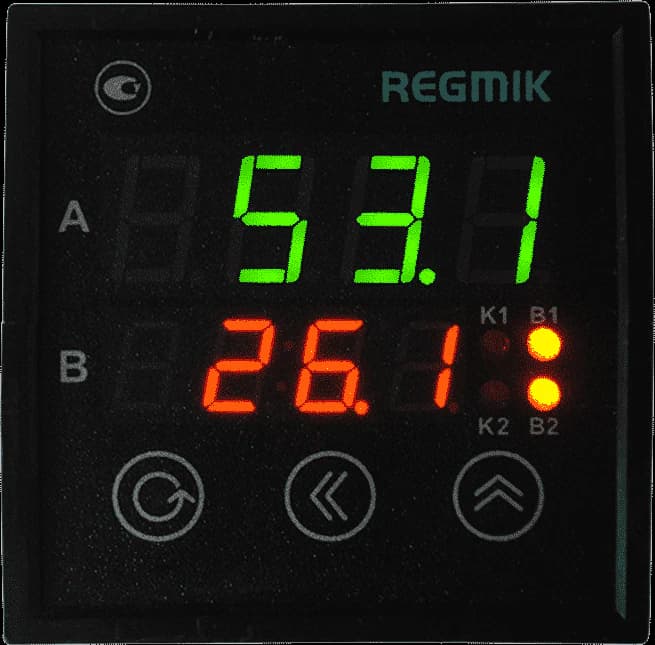 Two-Channel PID Controller RP2 with Discrete Outputs
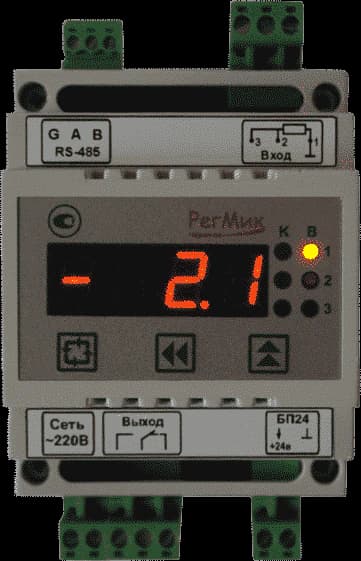 PID Controller for Gate Valves and Three-Position Valves RP1-3
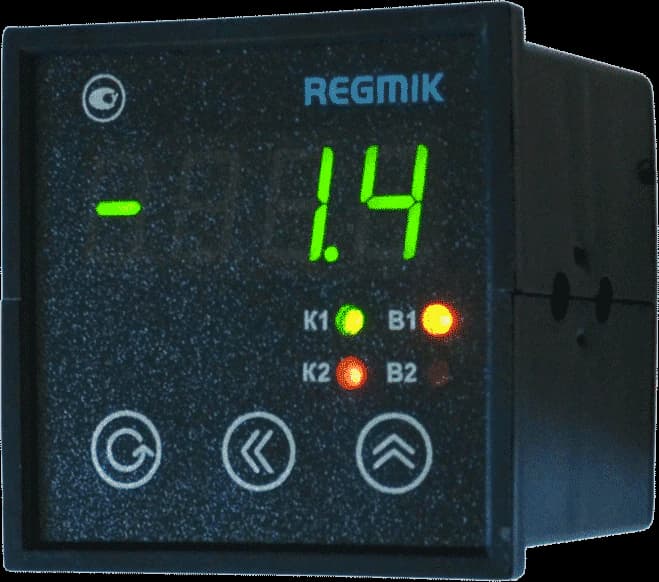 Single-channel PID regulator for control of shut-off and three-position valves RP1-3
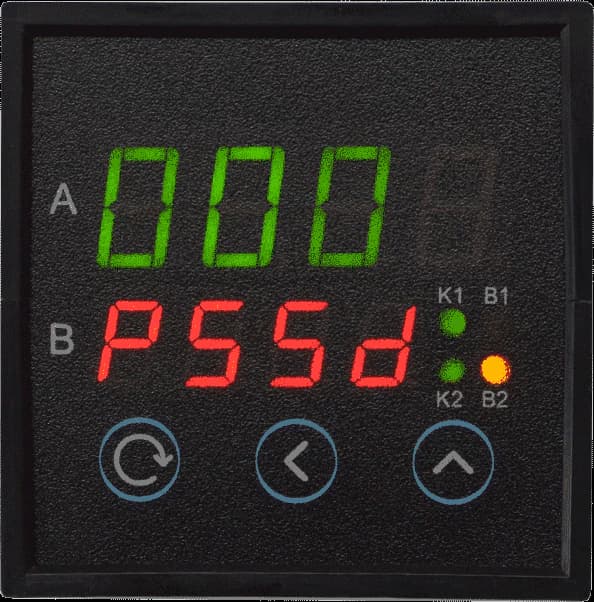 PID Single-Channel Controller RP1
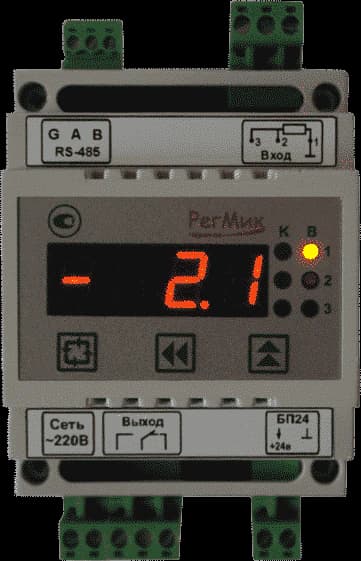 Single-channel PID Controller RP1-D
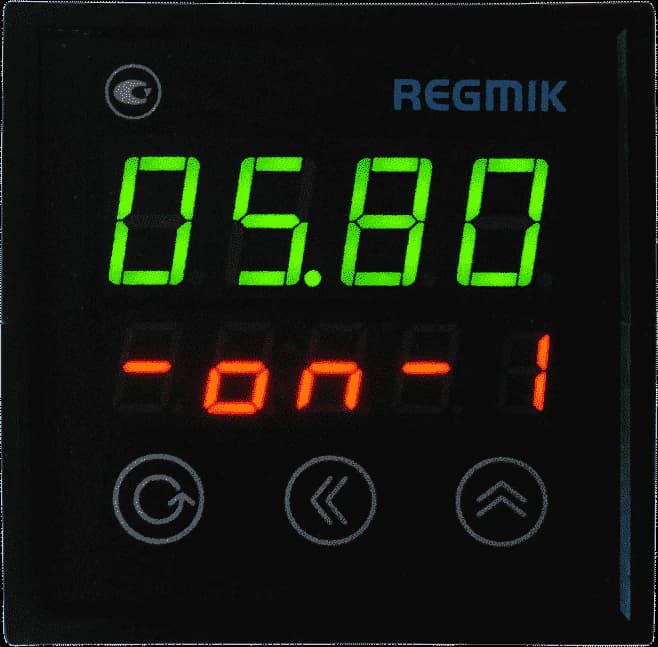 Four-Channel PID Controller RP4
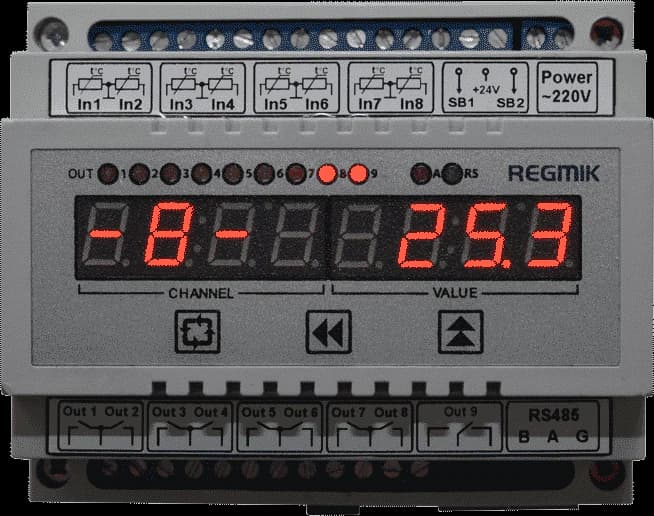 Two-position Eight-channel Programmable Regulator RD8-D6
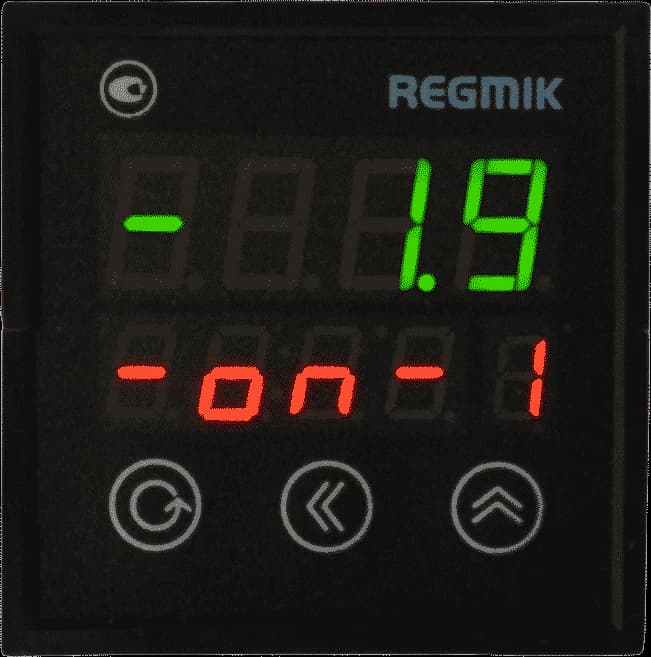 Eight-Channel Two-Position Regulator RD8
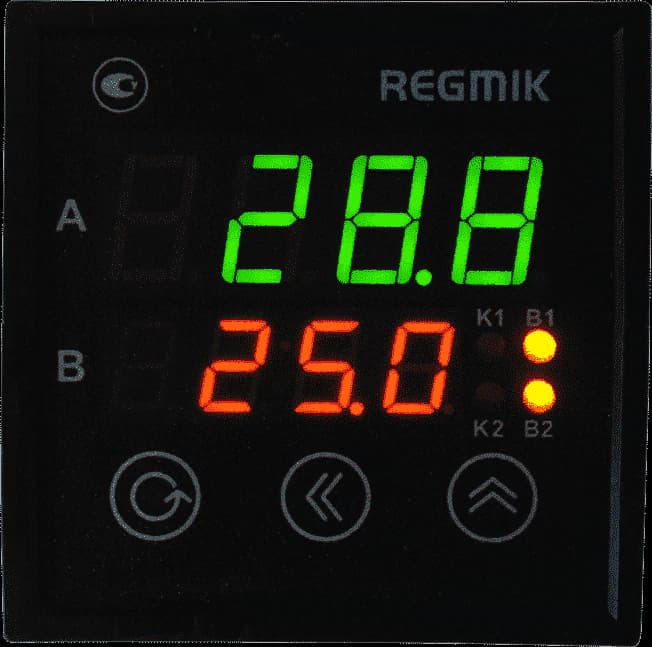 Two-position two-channel regulator RD2
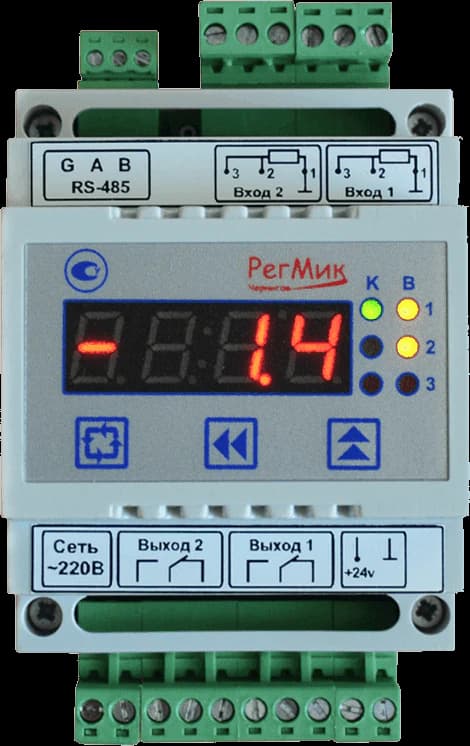 Two-position Two-channel Controller RD2-D4
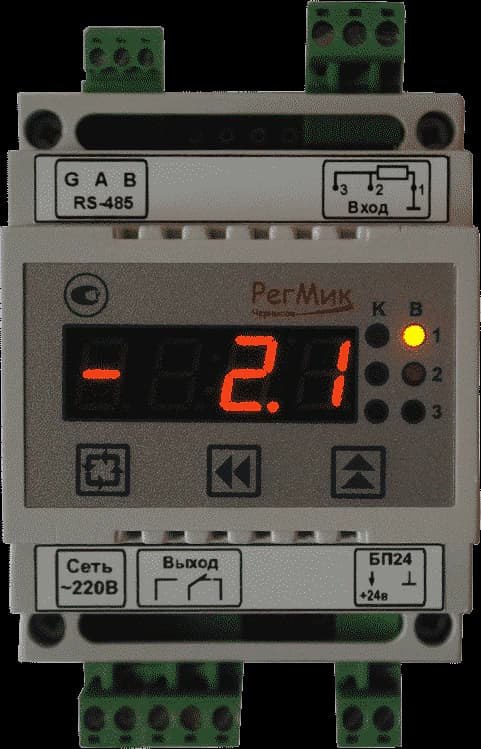 Two-position Single-channel Controller RD1
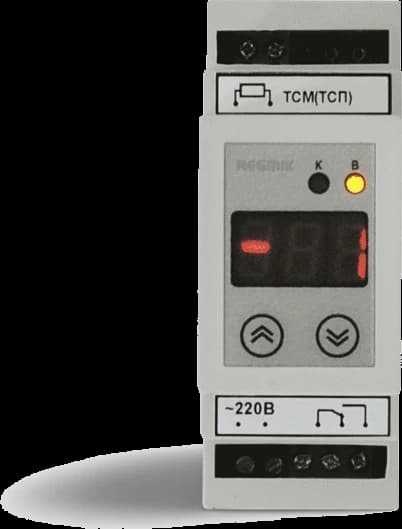 Two-position Single-channel Regulator RD1-D2
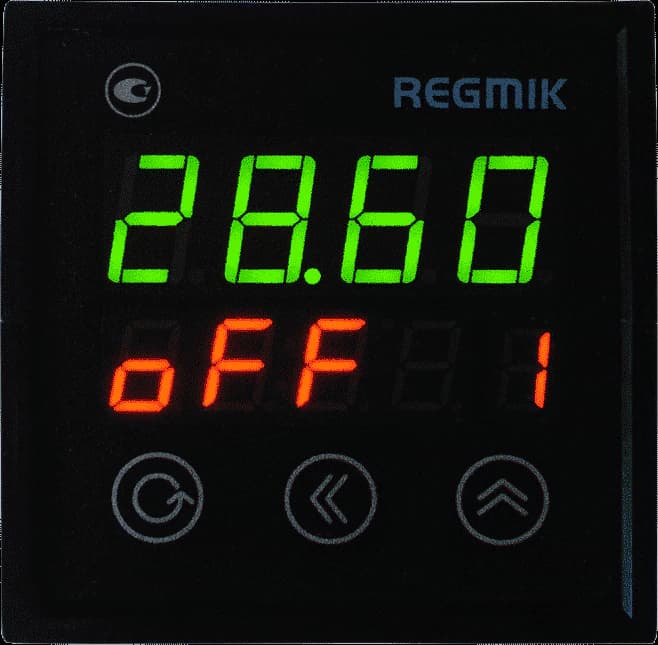 Three-channel two-position regulator RD3RD4 Four-Channel Two-Position Regulator
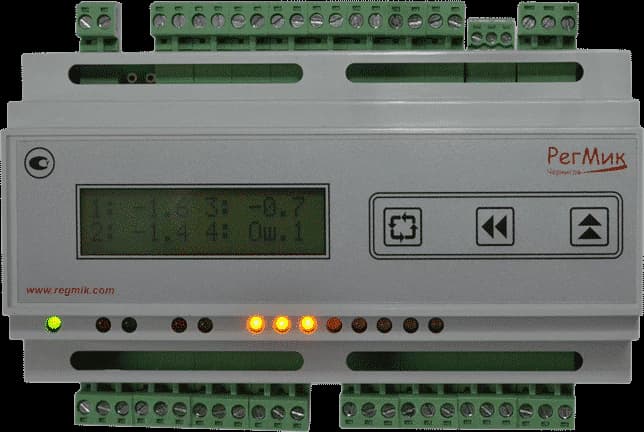 Regulator for Generator Control RD2-06
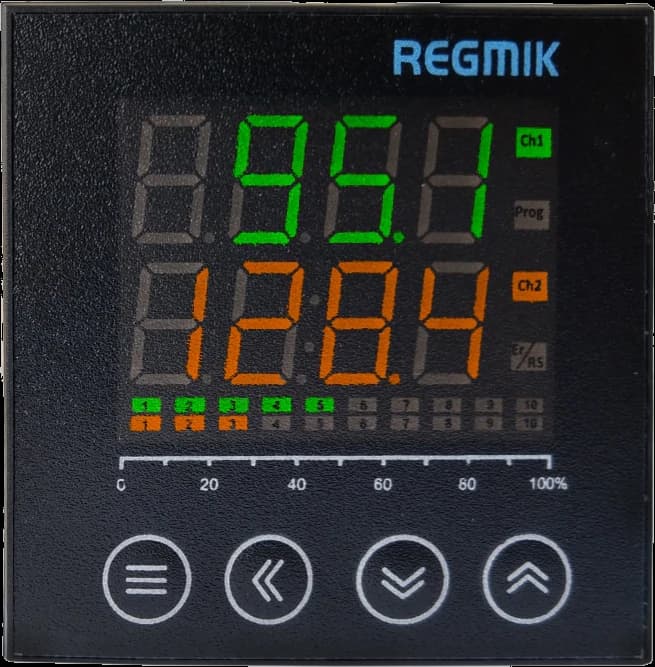 Temperature Controller with Timer RP2-UTemperature Controller for Edge Banding Machine RD3-02
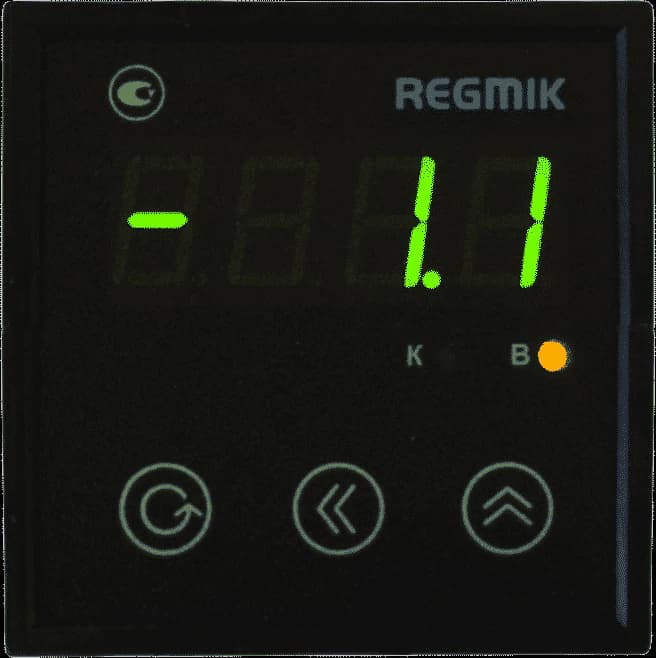 Single-Channel Temperature Controller RD1
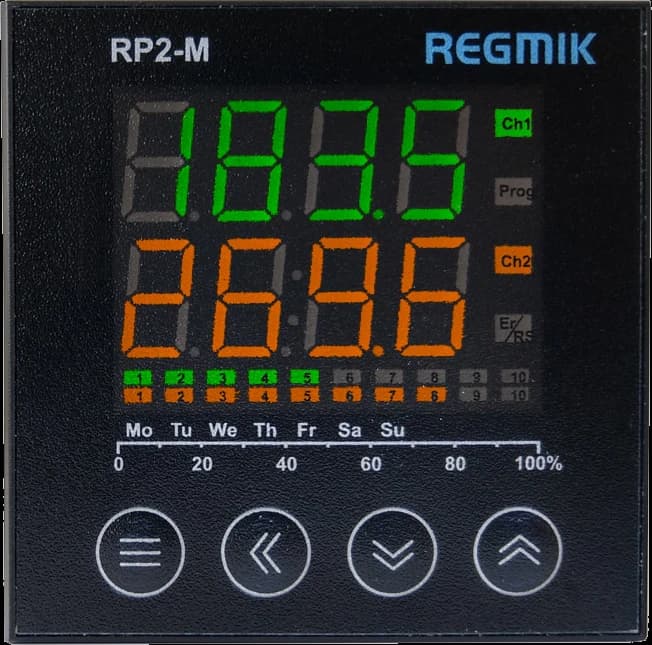 Universal two-channel device RP2-M
Discrete Control Regulators
Discrete control regulators are designed for automatic monitoring and maintenance of technological parameters by switching output devices in the "on/off" mode. These devices receive signals from sensors, compare the current value with the setpoint, and control actuators via relay or discrete outputs.
Regulators of this type are among the most common solutions in industrial automation due to their ease of setup, reliability, and versatility. They are widely used to control heaters, fans, pumps, contactors, alarms, and other equipment.
Purpose of Discrete Control Regulators
The main operating principle is two-position control. Upon reaching the set value, the regulator switches the output device, maintaining the parameter within the specified range.
Key tasks:
- temperature regulation;
- control of heaters and heating elements (TENs);
- fan control;
- pump control;
- liquid level monitoring;
- alarm signaling for emergency modes;
- maintenance of technological process parameters;
- automatic switching equipment on and off;
- equipment protection from exceeding permissible values.
Main Types of Discrete Control Regulators
Two-position temperature regulators
Used for maintaining temperature in heating systems, ventilation, drying chambers, refrigeration equipment, and production processes. When the temperature deviates from the set value, the regulator turns the heater or cooler on or off.
Regulators with relay output
Intended for direct control of contactors, pumps, fans, solenoid valves, and other actuators.
P.I.D. regulators with discrete output
Combine the PID control algorithm with discrete actuator control via a relay or solid state relay. Such solutions are used for more precise process parameter maintenance.
Applications
Discrete control regulators are used in various industrial sectors and engineering systems:
- heating systems;
- ventilation equipment;
- refrigeration units;
- drying chambers;
- boiler houses;
- heat points;
- pump stations;
- food industry;
- chemical production;
- production lines;
- process tanks;
- laboratory equipment;
- building automation systems.
In most cases, these regulators work together with temperature, humidity, level, pressure sensors or other primary transducers, providing automatic equipment control.
Supported Input Signals
Depending on the model, regulators can work with various types of sensors:
- Pt100;
- Pt1000;
- thermocouples;
- level sensors;
- humidity sensors;
- pressure sensors;
- 4–20 mA signals;
- 0–10 V signals;
- discrete signals;
- universal analog inputs.
This allows using a single type of device for different technological tasks.
Output Signals
To control equipment, the following are used:
- relay outputs;
- outputs for solid state relays (SSR);
- transistor outputs;
- discrete control signals;
- alarm signaling outputs.
Relay outputs are the most common option for two-position control of technological equipment.
How to Choose a Discrete Control Regulator
When choosing, consider:
- type of controlled parameter;
- type of connected sensor;
- number of control channels;
- type of output;
- power or load type;
- need for alarm signaling;
- regulation accuracy;
- mounting method;
- power supply type;
- operating conditions;
- availability of communication interfaces.
For simple temperature maintenance systems, a two-position regulator with relay output is usually sufficient. For more precise regulation, it is recommended to use PID regulators capable of working via discrete outputs.
Benefits of Use
Discrete control regulators remain one of the most popular solutions in industrial automation due to their simplicity and reliability.
Key advantages:
- easy setup;
- high reliability;
- affordable cost;
- compatibility with most sensors;
- direct control of actuators;
- ability to work with heaters, pumps, and fans;
- quick integration into automation systems;
- stable operation under industrial conditions;
- widespread range of applications.
Buy Discrete Control Regulators
Our catalog features discrete control regulators for heating, ventilation, pump equipment, technological processes, and industrial automation. Available models work with temperature, humidity, level sensors, and other primary transducers, as well as devices with relay, transistor, and discrete outputs.
We will help you select a regulator according to the sensor type, operating algorithm, mounting method, and requirements of your automation system.