
Time-programmable
Programmable time controllers are designed for automatic control of equipment by daily or weekly schedules. They are used in heating, ventilation, lighting, pumping stations, and industrial automation systems to save energy and maintain set operating modes.
Assortment
Products
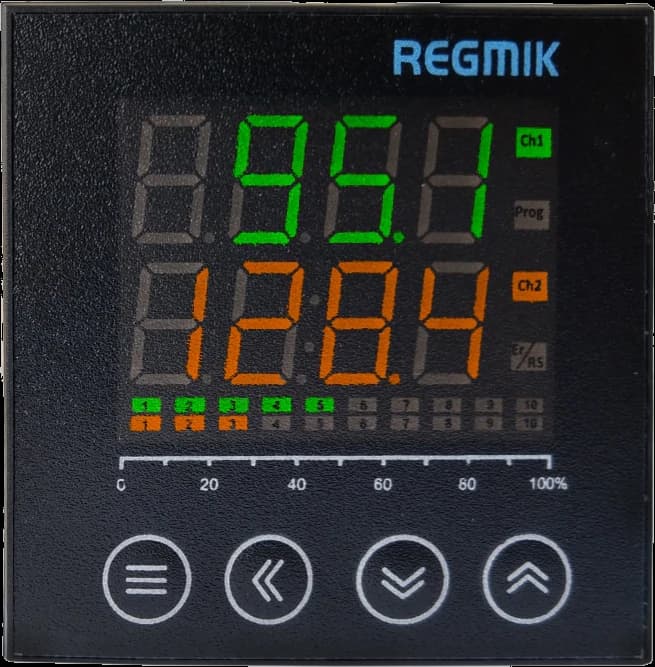
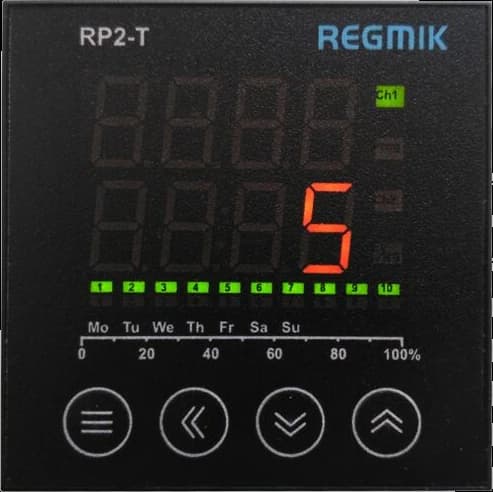
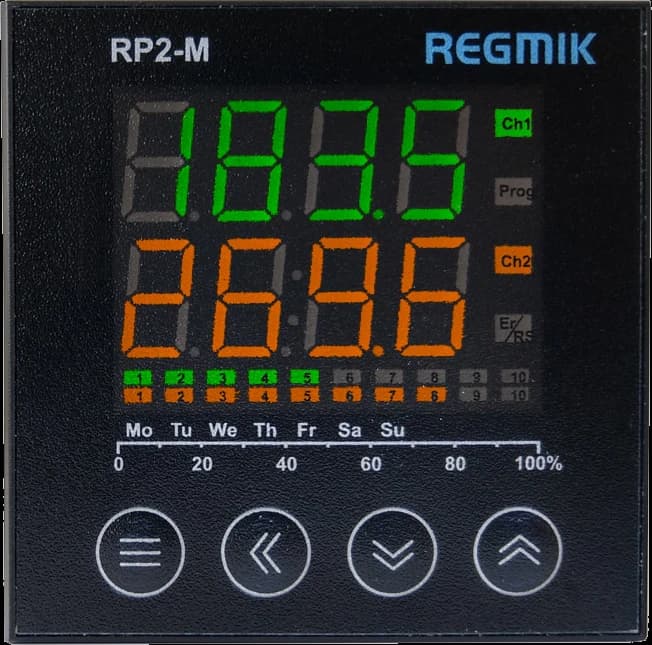
Programmable Time Controllers
Programmable time controllers are designed for automatic control of equipment according to a set schedule. They allow turning devices on or off or changing operating modes at a specified time, day of the week, or according to a pre-configured program.
Such devices are widely used in heating, ventilation, lighting, hot water supply systems, technological processes, pumping stations, and other facilities where it is necessary to automate equipment operation according to time schedules. Programmable controllers help reduce energy consumption, optimize production processes, and minimize personnel involvement in system management.
What Programmable Controllers Are Used For
A controller with a time programming function allows creating daily, weekly, or individual equipment operation schedules. The user sets the operating parameters, and the device automatically performs the necessary actions at the set time.
Main tasks:
- automatic heating control;
- maintaining temperature according to schedule;
- ventilation system control;
- lighting automation;
- starting and stopping pumps;
- switching equipment operating modes;
- managing technological processes;
- energy consumption optimization;
- performing cyclic operations as per schedule.
Main Features
Modern programmable controllers offer highly flexible equipment operation configuration.
Functional capabilities may include:
- daily programs;
- weekly programs;
- separate modes for working and weekend days;
- multiple time zones within a day;
- automatic mode switching;
- maintaining different temperatures at different times;
- manual control mode;
- emergency operating modes;
- backup settings storage;
- calendar functions;
- real-time operation.
Programmable temperature controllers are especially popular, allowing automatic setpoint changes depending on the time of day. For example, during non-working hours, the system may support an energy-saving mode and automatically switch to a comfortable temperature regime before the workday starts.
Where Programmable Controllers Are Used
Programmable controllers are employed in many areas of automation.
Main application areas:
- heating systems;
- heat distribution points;
- boiler rooms;
- ventilation units;
- air conditioning;
- hot water supply;
- pumping stations;
- greenhouses;
- drying chambers;
- production lines;
- warehouse complexes;
- administrative buildings;
- residential properties;
- lighting systems;
- energy installations.
In heating systems, a programmable controller allows automatic temperature changes depending on the time of day or week. In ventilation, it can control fans according to schedules. In industry, such devices are used to start technological equipment at a specified time.
Input Signals and Control
Depending on the model, controllers can work with various types of signals from sensors and automation systems.
Supported inputs may include:
- Pt100 temperature sensors;
- Pt1000 sensors;
- thermocouples;
- 4–20 mA signals;
- 0–10 V signals;
- discrete inputs;
- signals from external sensors;
- commands from controllers or dispatch systems.
A programmable controller can combine time control with monitoring technological parameters such as temperature or humidity.
Output Signals
Different types of outputs are used for equipment control:
- relay outputs;
- transistor outputs;
- triac (thyristor) outputs;
- analog outputs 4–20 mA;
- analog outputs 0–10 V;
- alarm outputs;
- RS485 Modbus interface.
Having multiple outputs allows simultaneous regulation, signaling, and data transmission to automation systems.
How to Choose a Programmable Controller
When choosing a controller, it is necessary to consider the type of equipment, the number of control channels, and programming requirements.
Main selection criteria:
- number of programs;
- type of time schedule;
- number of control channels;
- type of input signals;
- type of output signals;
- need for temperature regulation;
- support for calendar functions;
- presence of a display;
- manual control capability;
- communication interfaces;
- mounting method;
- operating conditions;
- backup power for real-time clock.
For heating systems, programmable temperature controllers with weekly operation schedules are often used. For production processes, multi-channel devices with complex time program configuration may be required.
Advantages of Use
Programmable controllers allow automating equipment operation and increasing its efficiency.
Main advantages:
- automatic execution of operation schedules;
- energy and heat savings;
- reduced operating costs;
- increased comfort;
- stability of technological processes;
- minimization of human factor;
- flexible operation mode settings;
- automatic mode switching;
- integration into automation systems;
- reliable operation without constant operator supervision.
Buy Programmable Time Controllers
Our catalog features programmable time controllers for heating, ventilation, hot water supply, lighting, and industrial automation systems. Available models include daily and weekly programs, various types of inputs and outputs, support for temperature sensors, and communication interfaces.
Our specialists will help you select a programmable controller according to your equipment, operation algorithm, and automation system requirements.