
Expansion modules
REGMIK expansion modules are designed to increase the number of inputs and outputs in automation systems. The devices allow connecting additional sensors, actuators, control and monitoring signals without replacing the main controller or regulator.
Assortment
Products
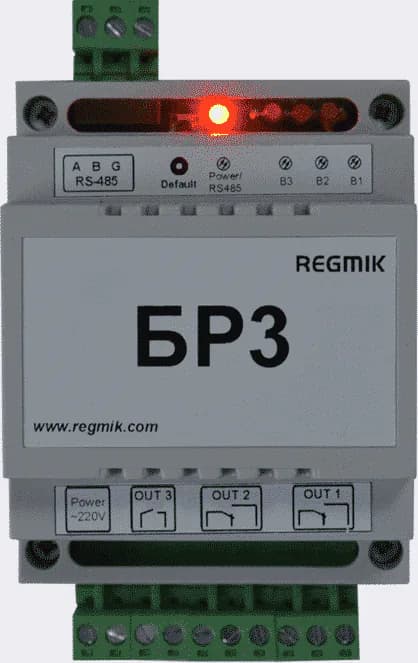
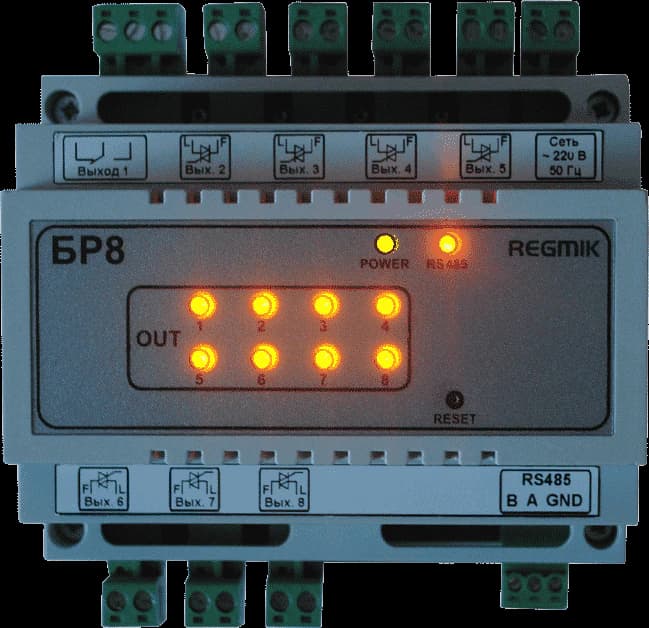
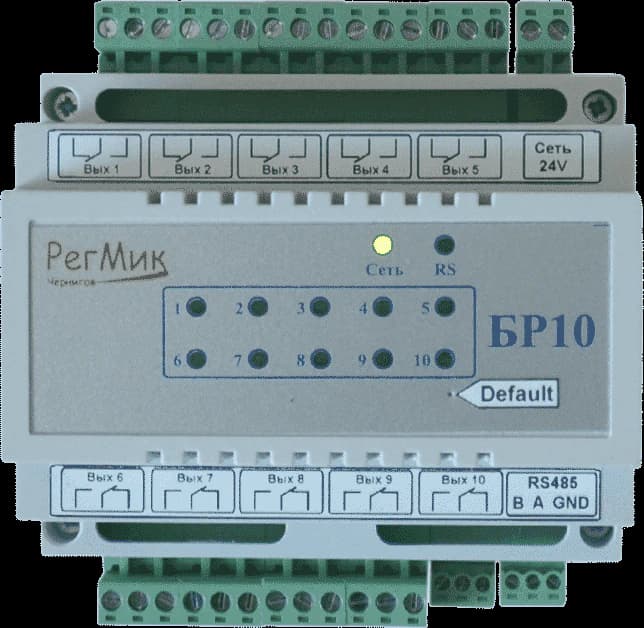
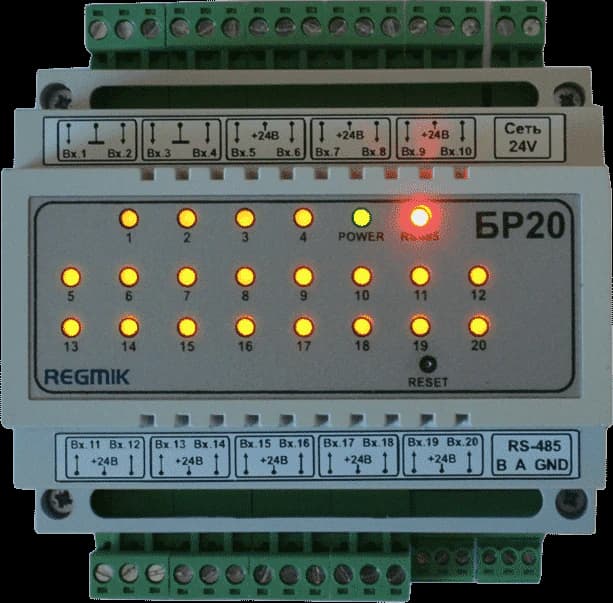
Expansion Modules
Expansion modules are used to extend the functional capabilities of automation systems, controllers, regulators, and other control devices. They allow increasing the number of discrete or analog inputs and outputs, connecting additional sensors, relays, actuators, and other equipment.
Thanks to expansion modules, it is possible to upgrade an existing system without replacing the main equipment, which significantly reduces automation costs and simplifies site scaling.
What Expansion Modules Are Used For
Expansion modules provide connection of additional control and monitoring channels in automation systems.
Main tasks:
- increasing the number of inputs and outputs;
- connecting additional sensors;
- connecting actuators;
- expanding controller functionality;
- scaling automation systems;
- collecting additional technological signals;
- controlling additional relays and drives;
- integrating new units into existing systems;
- upgrading equipment without replacement.
Main Types of Expansion Modules
Discrete Input Modules
Designed to receive signals from buttons, limit switches, status sensors, relay contacts, and other discrete devices.
Discrete Output Modules
Used to control relays, contactors, signal lamps, valves, and other equipment through discrete signals.
Analog Input Modules
Allow connection of temperature, pressure, level, humidity, flow sensors, and other measuring transducers.
Analog Output Modules
Used to generate control signals of 4–20 mA or 0–10 V for drives, power regulators, valves, and other equipment.
Combined Expansion Modules
Combine analog and discrete channels in one device, providing flexible system automation expansion.
Applications
Expansion modules are used in all areas where there is a need to increase the number of control or monitoring channels.
Main application areas:
- industrial automation;
- production lines;
- ventilation and air conditioning systems;
- boiler rooms and heat points;
- pumping stations;
- water supply systems;
- dispatch systems;
- technological equipment;
- energy installations;
- switchgear equipment;
- food industry;
- chemical production;
- building automation.
Expansion modules are especially useful when upgrading existing systems where the number of main controller channels is already insufficient for connecting new equipment.
Connection and Data Exchange
Expansion modules can operate as part of distributed automation systems and exchange data with controllers via industrial communication interfaces.
Depending on the model, the following may be supported:
- RS485;
- Modbus RTU;
- discrete signals;
- analog signals;
- local data exchange buses;
- connection to REGMIK controllers and regulators.
This allows creating flexible and scalable automation systems with a large number of monitored parameters.
How to Choose an Expansion Module
When choosing, consider:
- the required number of inputs;
- the required number of outputs;
- type of signals;
- connection method;
- compatibility with controller or regulator;
- supported communication protocol;
- supply voltage;
- mounting method;
- operating conditions;
- prospect of further system expansion.
For simple tasks, modules with several discrete inputs or outputs can be used. For complex automation systems, it is advisable to use modules supporting analog signals and network data exchange.
Advantages of Use
Expansion modules allow increasing the functional capabilities of a system without significant costs for its modernization.
Main advantages:
- increase in the number of channels;
- easy system scaling;
- cost savings on modernization;
- flexible automation configuration;
- integration of new equipment;
- support for industrial interfaces;
- reduced design complexity;
- high reliability of operation;
- compatibility with REGMIK systems.
Buy REGMIK Expansion Modules
Our catalog features REGMIK expansion modules for automation systems, controllers, and regulators. Available modules include discrete and analog inputs and outputs for connecting additional sensors, actuators, and technological signals.
Our specialists will help select an expansion module according to the number of channels, signal type, communication interface, and features of your automation system.