
Sensors for the Food Industry
Sensors for the food industry are designed for accurate control of temperature, humidity, pressure, level, and other technological parameters in the processes of production, storage, and transportation of food products. They are made from materials that meet sanitary and hygienic requirements and ensure reliable operation under conditions of regular washing, disinfection, and contact with food media.
Assortment
Products
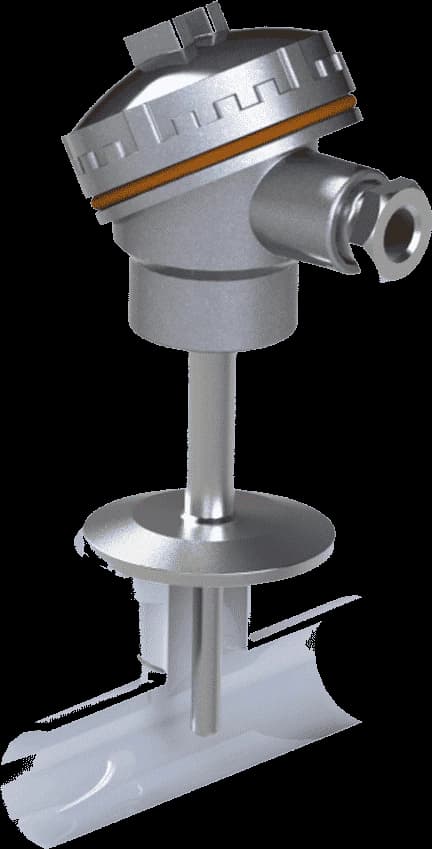
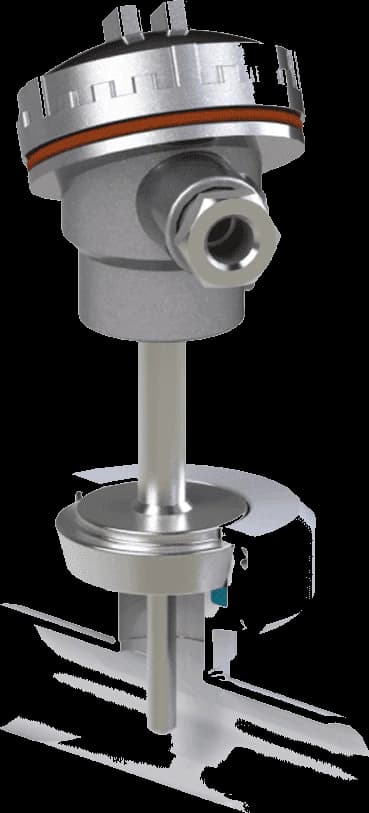
Sensors for the Food Industry
Sensors for the food industry are used to control technological parameters in enterprises producing food products, beverages, dairy products, meat processing, brewing, confectionery, and other food production.
These sensors ensure high measurement accuracy and comply with food production safety requirements. Corrosion-resistant materials, particularly stainless steel, are used in their manufacture, allowing the equipment to be used in conditions of high humidity, frequent washing, and aggressive cleaning agents.
What Sensors Are Used For
Sensors enable control of parameters that affect product quality, technological process stability, and compliance with sanitary standards.
Main tasks:
- control of product temperature;
- control of technological equipment temperature;
- humidity measurement;
- pressure control;
- liquid level control;
- monitoring technological processes;
- automation of production lines;
- ensuring product quality;
- control of storage and transportation conditions.
Main Types of Sensors
Temperature Sensors
Used to control the temperature of products, liquids, technological containers, pipelines, pasteurizers, refrigeration units, and other equipment.
Humidity Sensors
Applied for controlling microclimate in production rooms, ripening chambers, drying units, and storage complexes.
Pressure Sensors
Designed for pressure control in pipelines, tanks, heat exchangers, and technological equipment.
Level Sensors
Used to monitor the level of milk, water, syrups, beverages, oil, and other liquids in tanks and technological vessels.
Features of Sensors for the Food Industry
Equipment for food production must meet high safety and hygiene standards.
Key features:
- casing made of stainless steel;
- resistance to washing and disinfection;
- corrosion resistance;
- high measurement accuracy;
- hermetic design;
- ability to operate in humid environments;
- compatibility with food equipment;
- long service life.
Such sensors can be used in CIP and SIP cleaning technologies without dismantling equipment.
Areas of Application
Sensors for the food industry are used at all stages of product manufacturing and storage.
Main application areas:
- dairy industry;
- breweries;
- beverage production;
- meat processing;
- confectionery production;
- baking industry;
- oil production;
- cold storage warehouses;
- food production lines;
- packaging equipment;
- tanks and technological containers;
- logistics centers and warehouses.
Supported Signals
Depending on the sensor type, the following may be used:
- Pt100;
- Pt1000;
- thermocouples;
- 4–20 mA;
- 0–10 V;
- discrete signals;
- RS485 Modbus;
- other industrial data transmission standards.
This ensures compatibility with controllers, meters, regulators, and automation systems.
How to Choose a Sensor for the Food Industry
When choosing, consider:
- type of controlled parameter;
- measurement range;
- hygiene requirements;
- connection type;
- casing material;
- protection level;
- washing and disinfection conditions;
- operating pressure;
- operating temperature;
- output signal type;
- compatibility with automation systems.
For processes with direct product contact, it is recommended to use sensors in sanitary design made of stainless steel with appropriate technological connections.
Advantages of Use
Sensors for the food industry provide stable production operation and product quality control.
Main advantages:
- compliance with sanitary requirements;
- high measurement accuracy;
- resistance to aggressive washing;
- durability;
- corrosion resistance;
- reliable operation;
- compatibility with food equipment;
- automation of technological processes;
- product quality control.
Buy Sensors for the Food Industry
Our catalog features sensors for the food industry to control temperature, humidity, pressure, and level. The equipment is suitable for dairy, meat, confectionery, brewing, and other food production sectors where measurement accuracy, reliability, and sanitary compliance are important.
Our specialists will help select the sensor according to the technological process, operating conditions, and production requirements.