
Sensors
Sensors are used to monitor temperature, humidity, level, current, position, and equipment status. The catalog features contact sensors, temperature sensors, humidity sensors, level sensors, and current sensors for industrial automation, engineering systems, switchboard equipment, pump stations, and production processes.
Sections
Subcategories

Assortment
Products
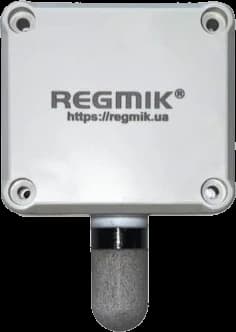 Wireless Temperature and Humidity Sensor DVTs-304-LoRaWireless Temperature Sensor TP-304-LoRa
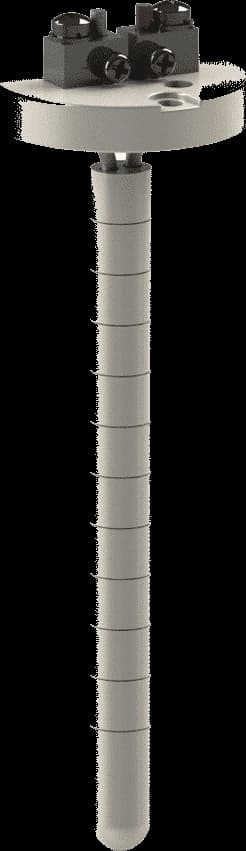 High-temperature temperature sensor 210K
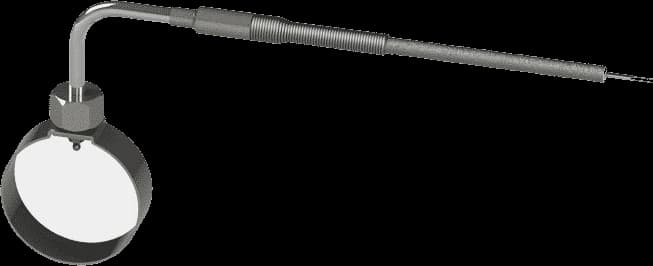 High-Temperature Sensor TXA-109
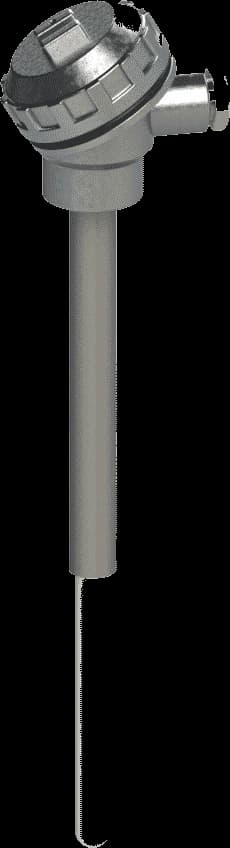 High-temperature ceramic sensor TXA-021, TXK-021, TZHK-021
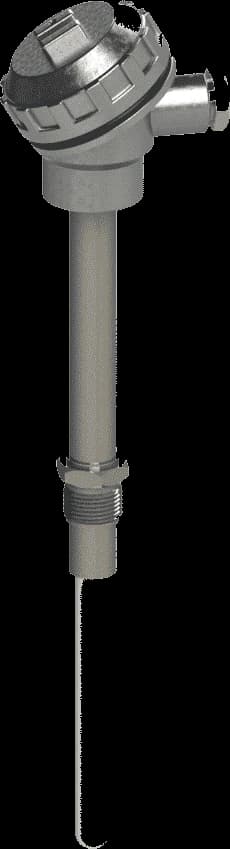 High-temperature sensors THA-022, THK-022, THJK-022
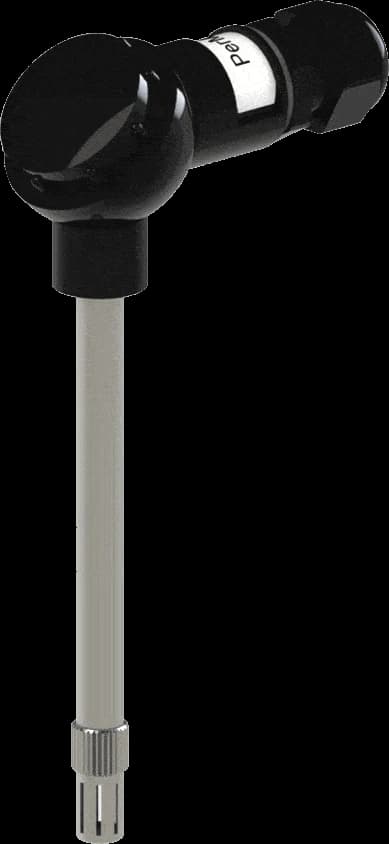 Humidity and Temperature Sensor DVT-001, DVTc-001
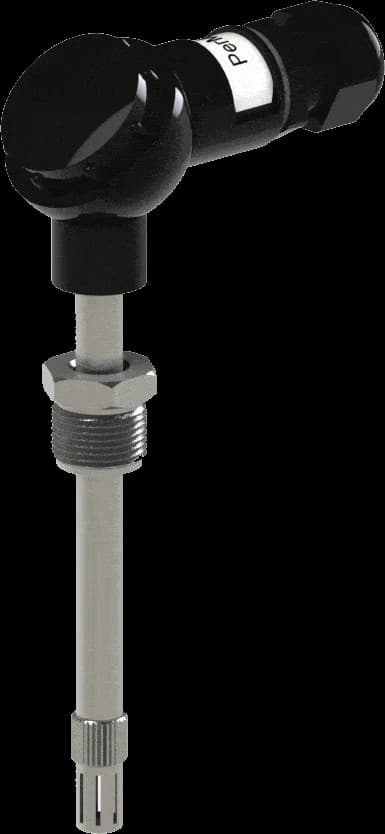 Humidity and Temperature Sensor DVT-002, DVTc-002
 Humidity and Temperature Sensor DVT-101, DVTc-101
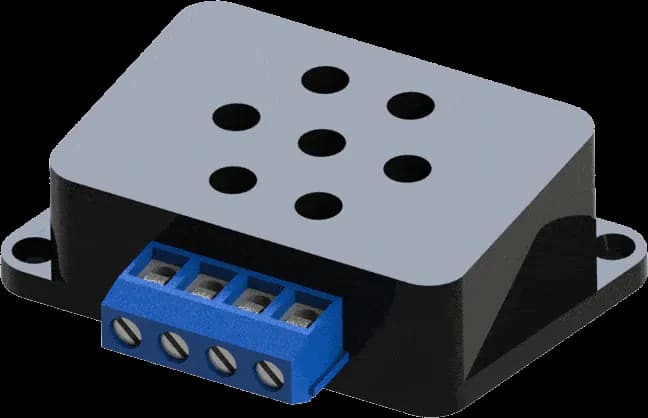 Humidity and Temperature Sensor DVT-302, DVTc-302
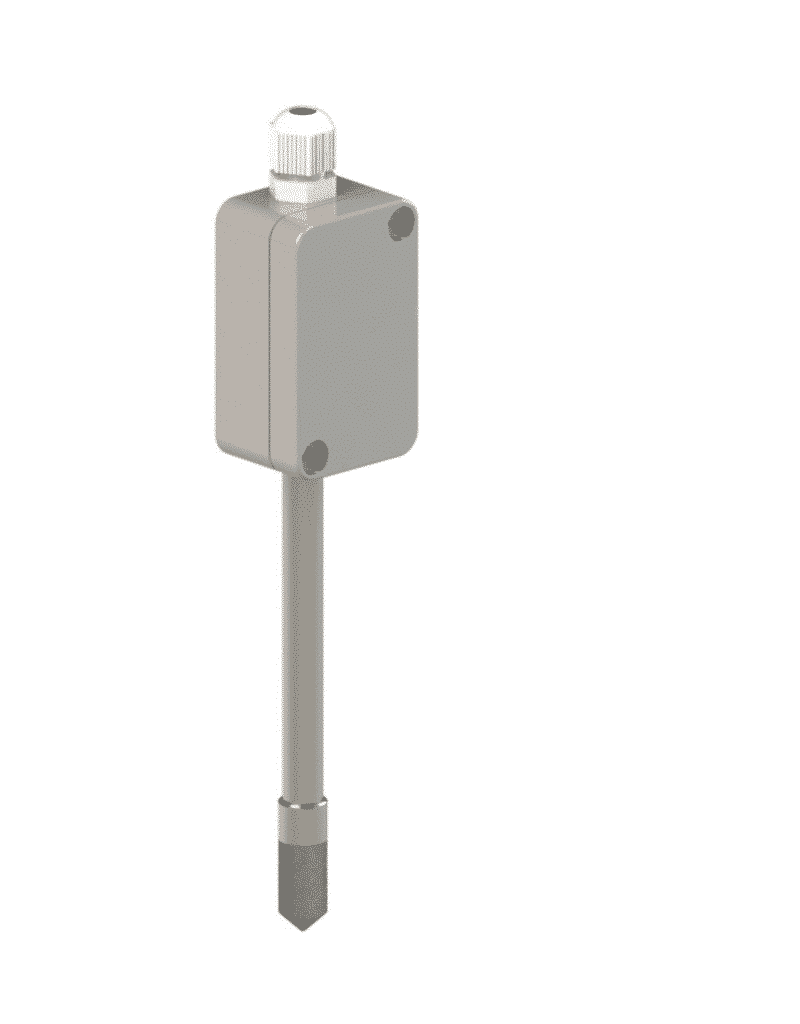 Humidity and Temperature Sensor DVT-303, DVTc-303
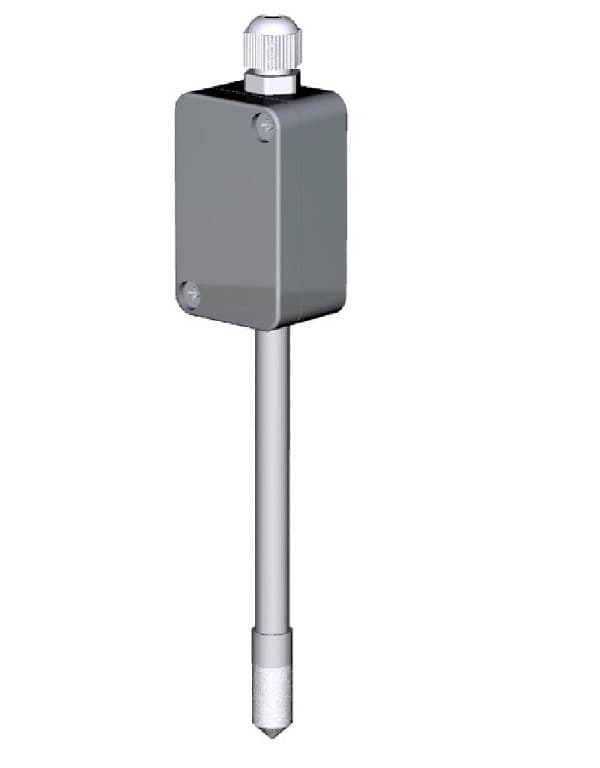 Humidity and Temperature Sensor DVT-303, DVTc-303
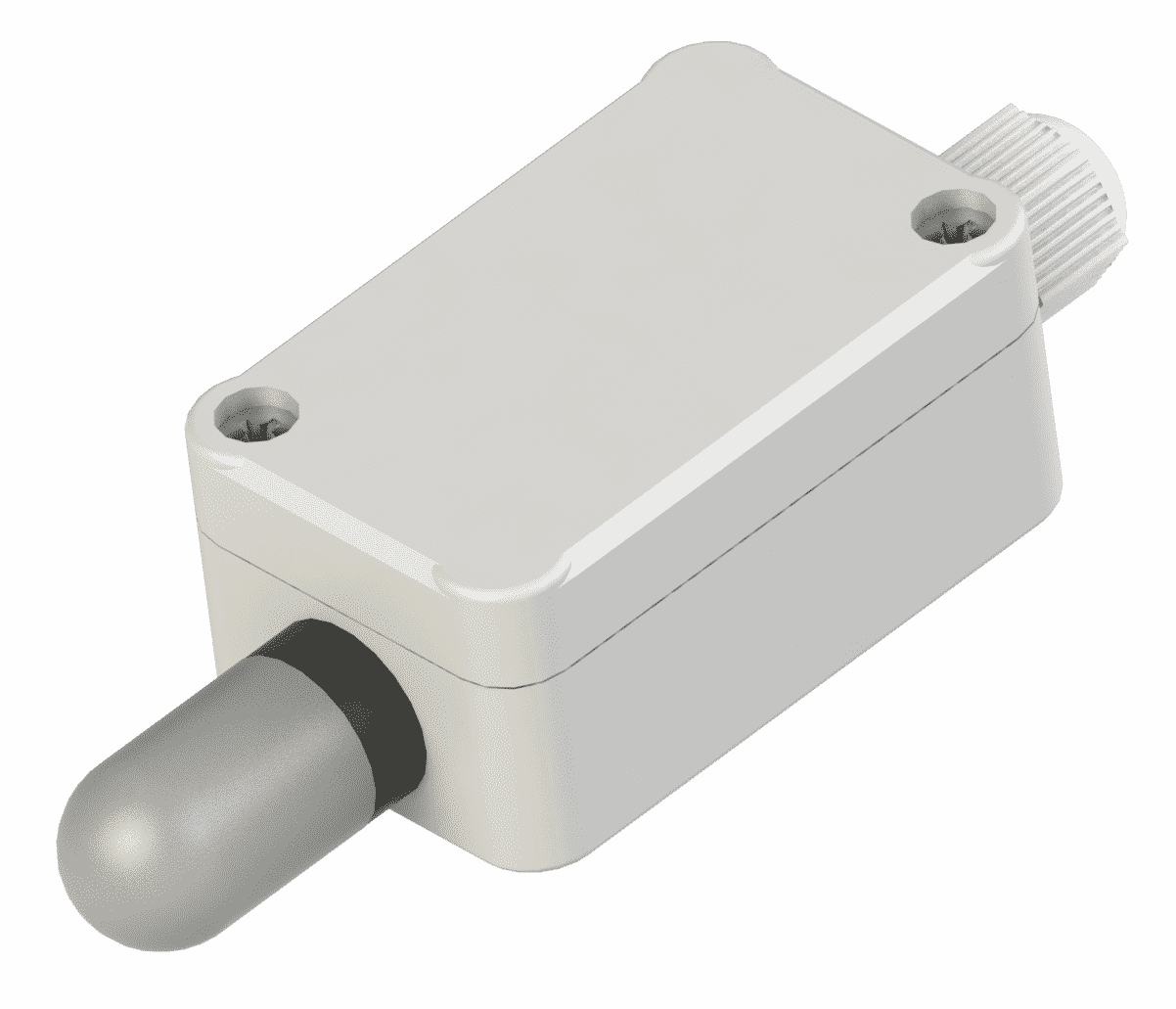 Humidity and Temperature Sensor DVTs-304
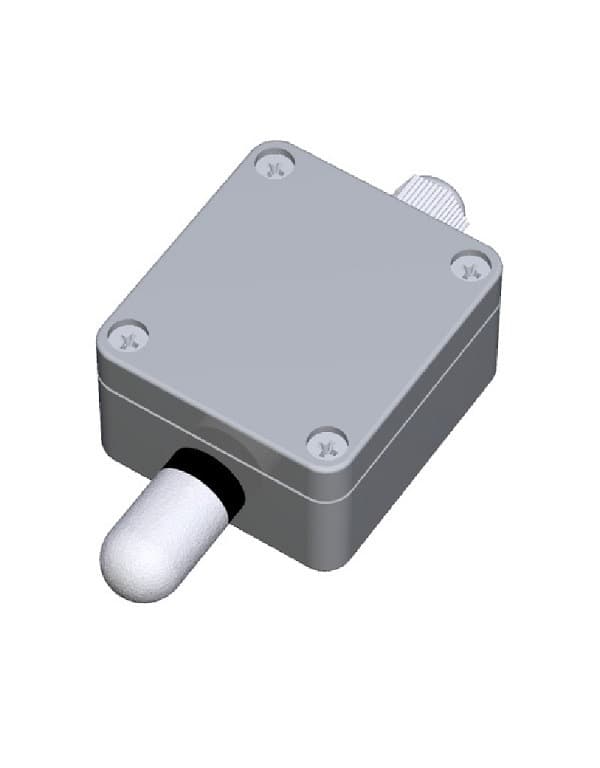 Humidity and Temperature Sensor DVT-304
 Contact Sensor DK-101
 DU-001 Level SensorDU-002 Level Sensor
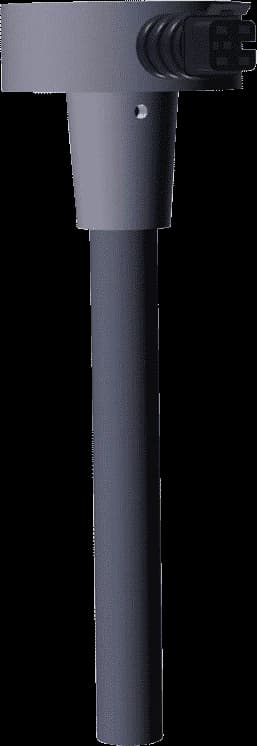 Fuel Level Sensor RS-485, RS232
 DTX Current Sensor
 High-temperature temperature sensor TXA-210, TXK-210
 Temperature Sensor with Standardized Output Signal (4..20 mA, 0..10V, RS-485) TSPU-003, TSMU-003
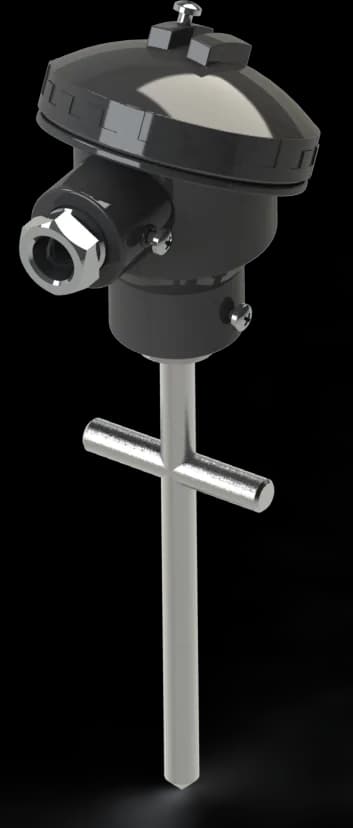 Temperature Sensor with Unified Output Signal (4..20 mA, 0..10V, RS-485) TSPU-004
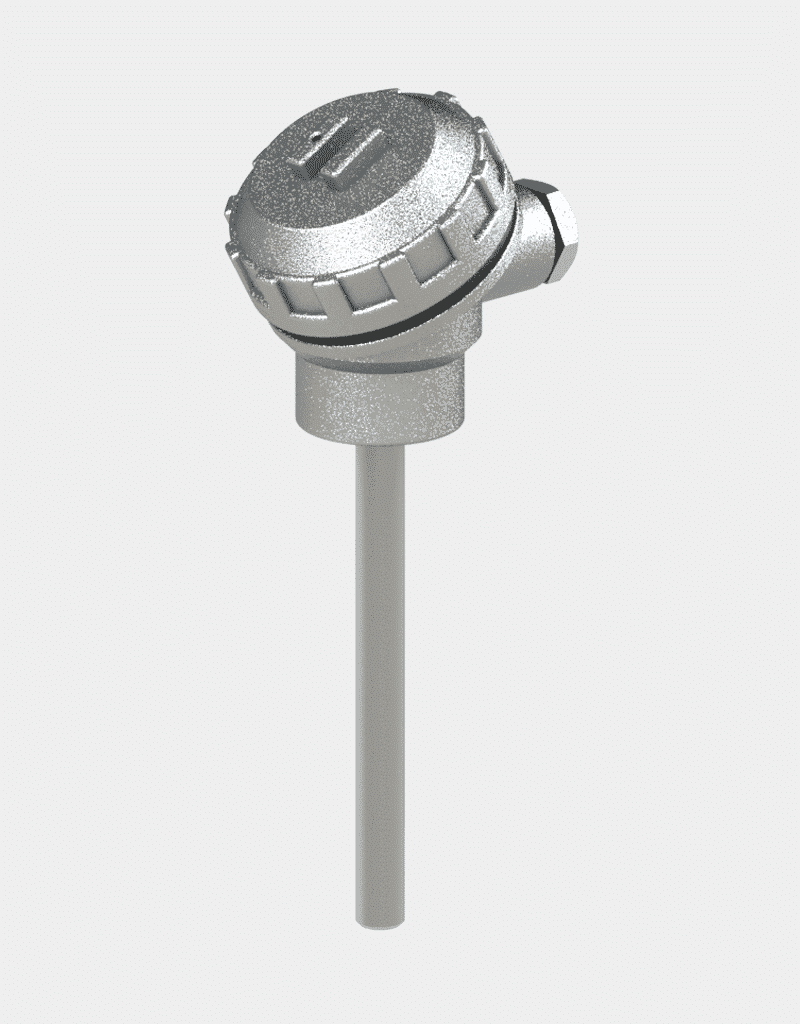 Temperature Sensor with Unified Output Signal TSPU-001 (4..20mA, 0-10V, RS-485)
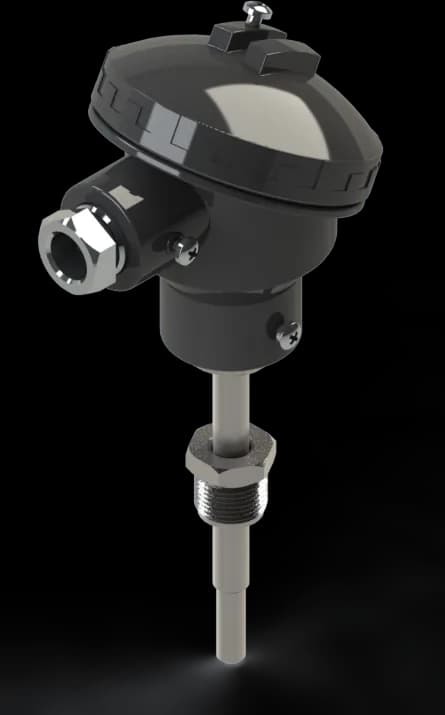 Temperature Sensor with Standardized Output Signal THAU-003, THKU-003, TZKU-003
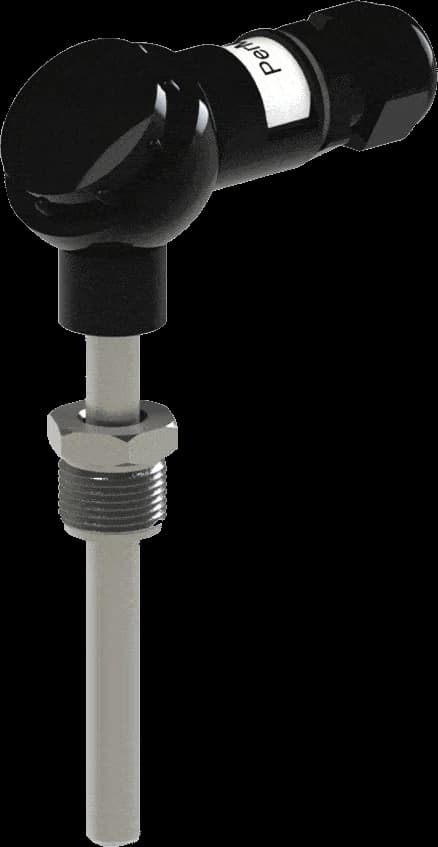 Temperature sensor TSM-002, TSP-002, TXA-002, TXK-002, TJK-002
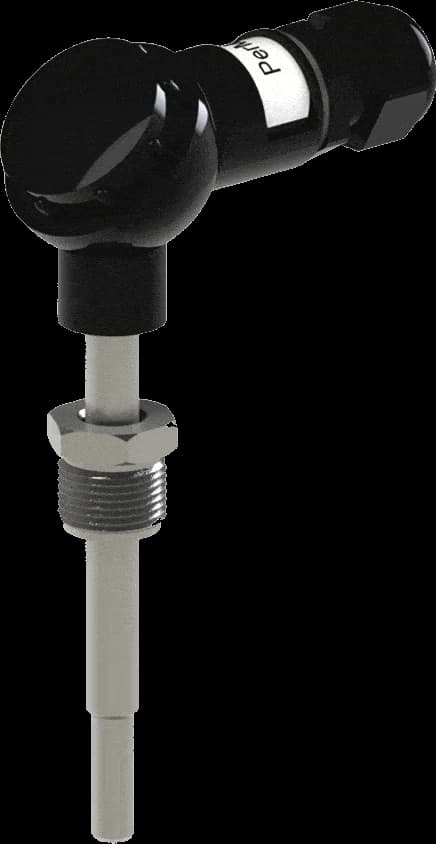 Temperature Sensor TSM-003, TSP-003, TXA-003, TXK-003, TZhK-003
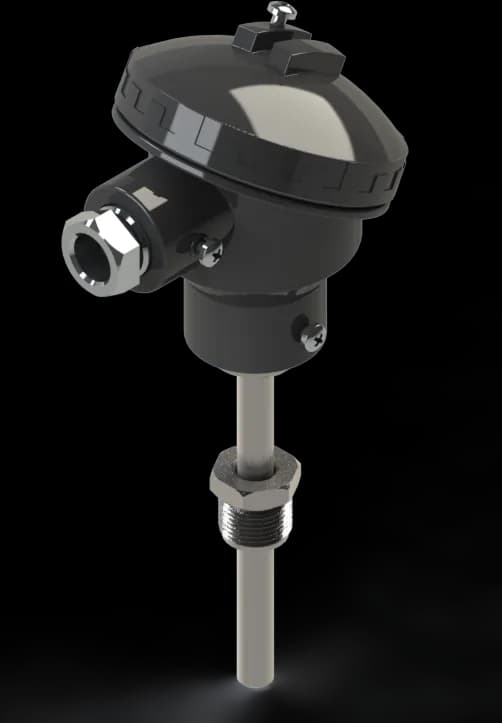 Temperature Sensor TSPU-002 (4..20mA, 0..10V, RS-485)
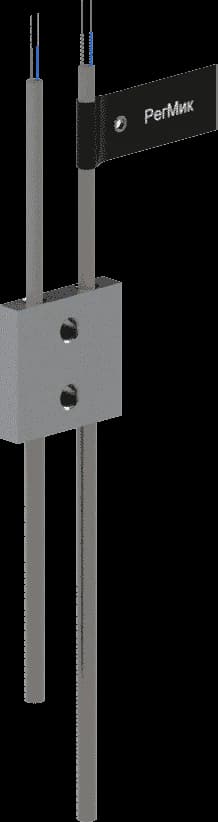 Humidity and Temperature Sensors (Psychrometer) DVT-003
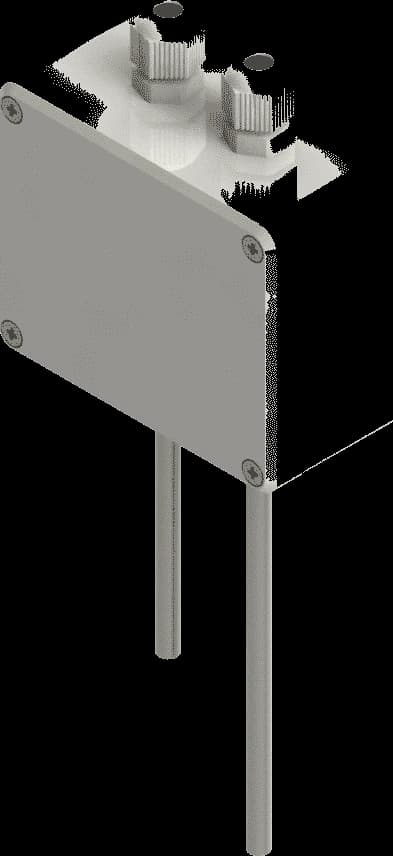 Humidity and Temperature Sensors (Psychrometer) DVT-013
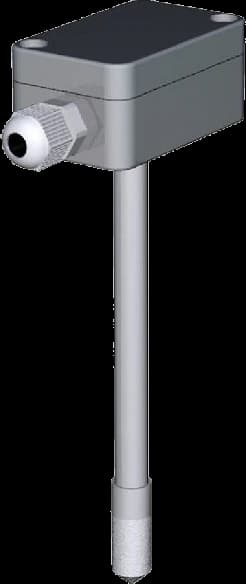 Humidity and Temperature Sensors DVT-011, DVTc-011
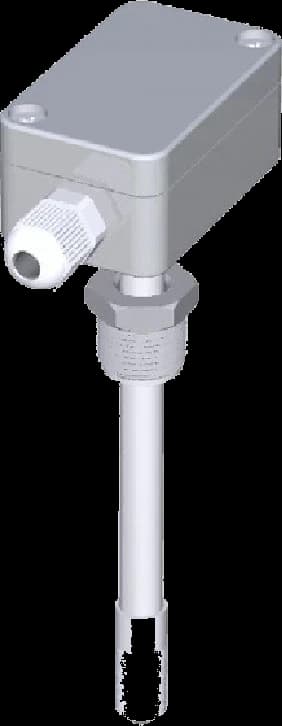 Humidity and Temperature Sensors DVT-012, DVTc-012
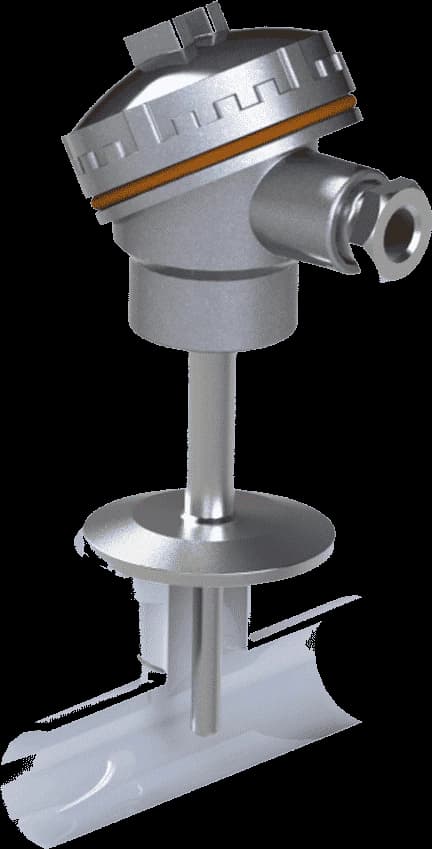 Food Industry Sensors TSP-401
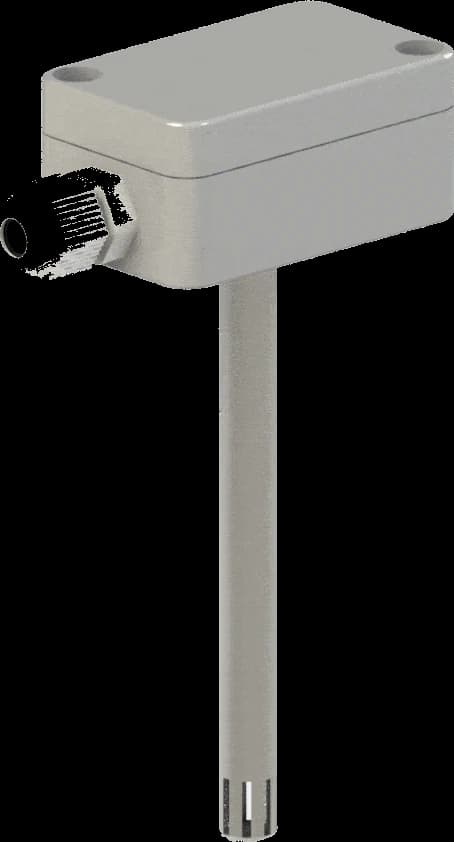 Temperature Sensors (4..20mA, 0..10V) TSPU-303, TSMU-303
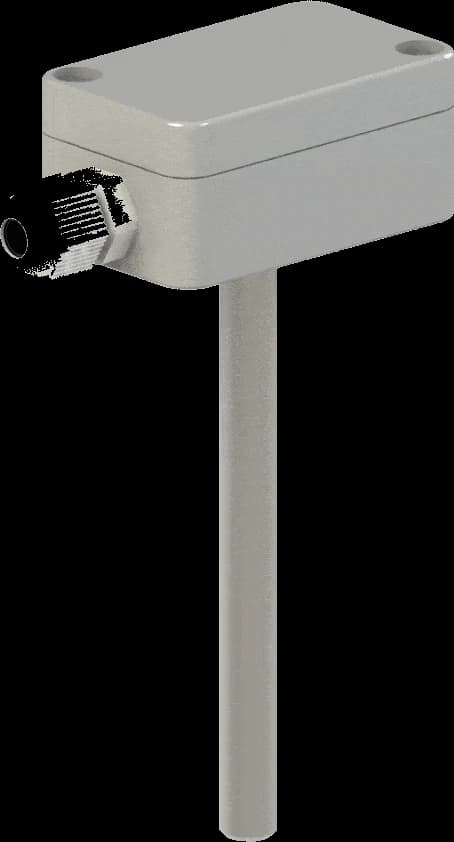 Temperature Sensors 011
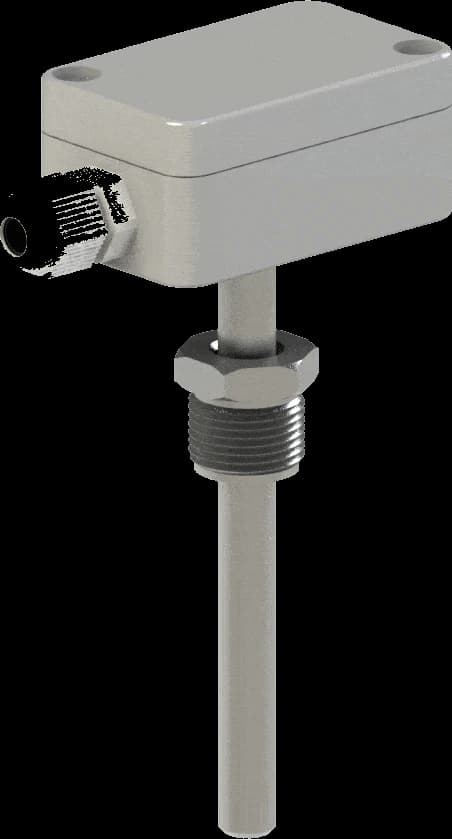 Temperature sensors 012
 Temperature Sensors 101
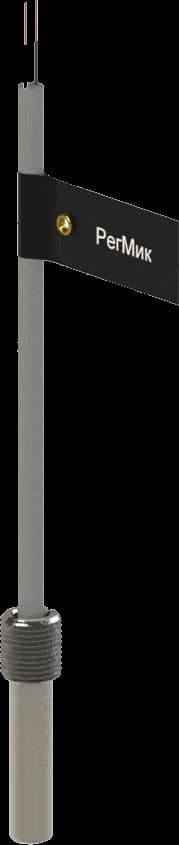 Temperature sensors 103
 Temperature Sensors 104
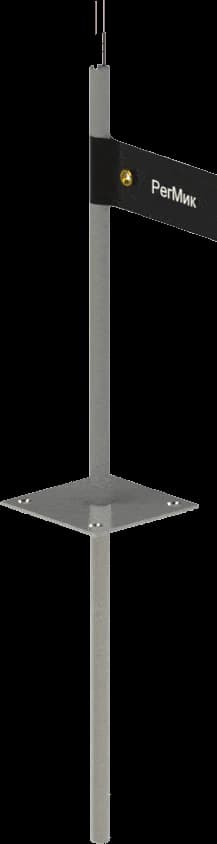 Temperature sensors 107
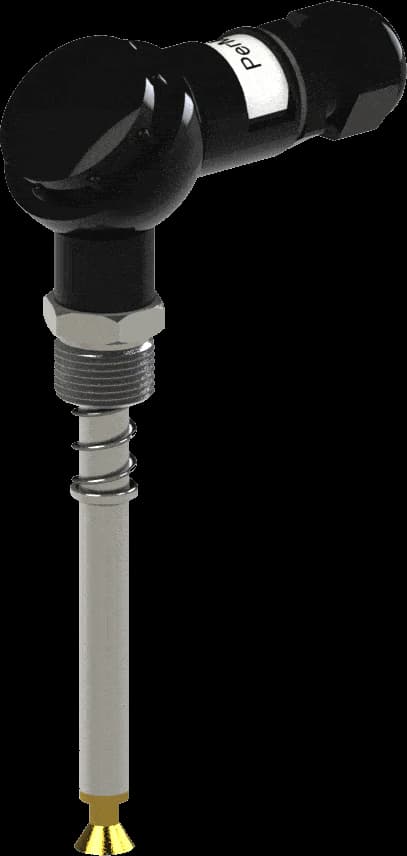 Temperature sensors 202
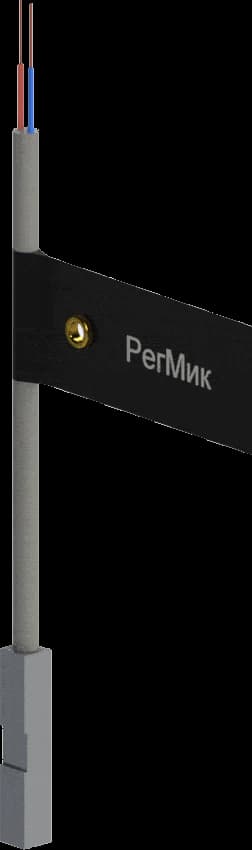 Temperature Sensors 205r
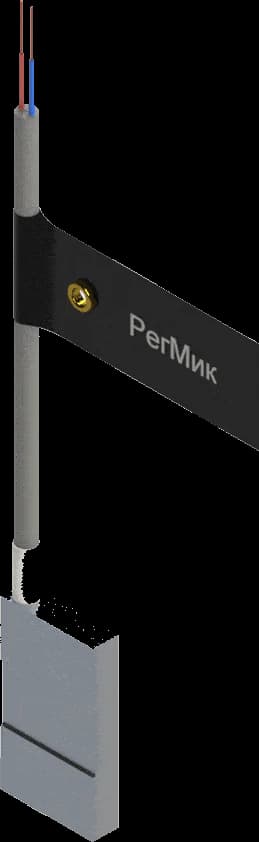 Temperature sensors 206
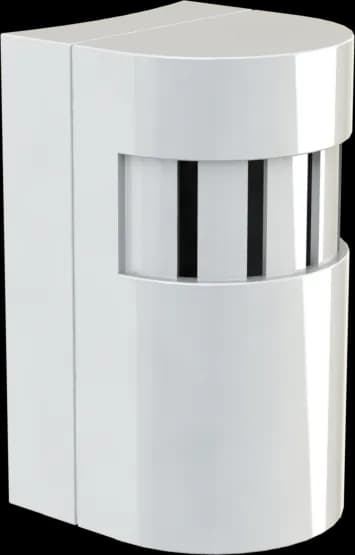 Temperature Sensors 207
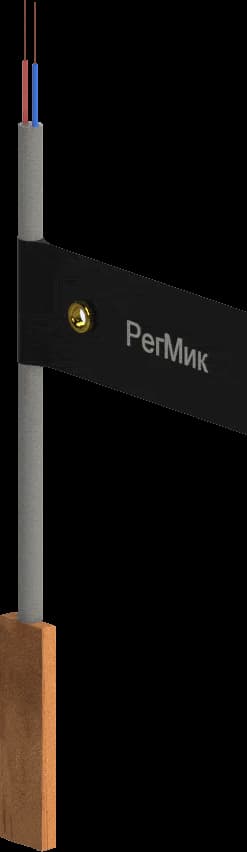 Temperature sensors 209Temperature Sensors 4..20mA, 0..10V - TSPU-011, TSMU-011
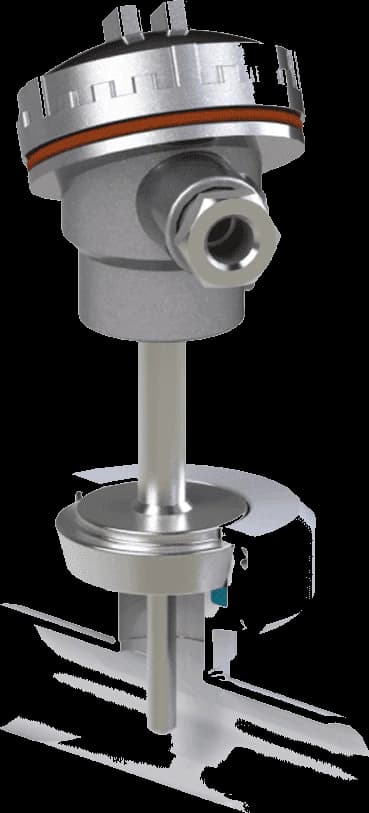 Temperature Sensors for Food Industry TSP-402Temperature Sensors with Unified Output Signal (4..20 mA, 0..10 V) TSPU-012, TSMU-012
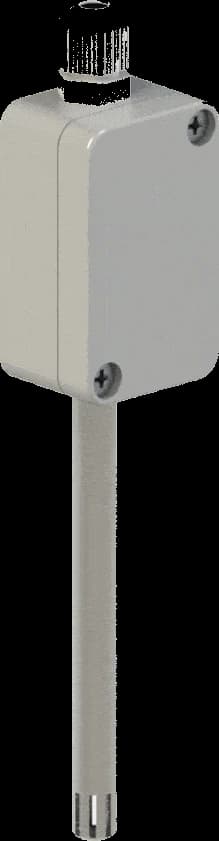 Temperature Sensors with Unified Output TSPU-303p TSMU-303pAir temperature sensors TSM-303p TSP-303p TXA-303p TXK-303p TZHK-303p
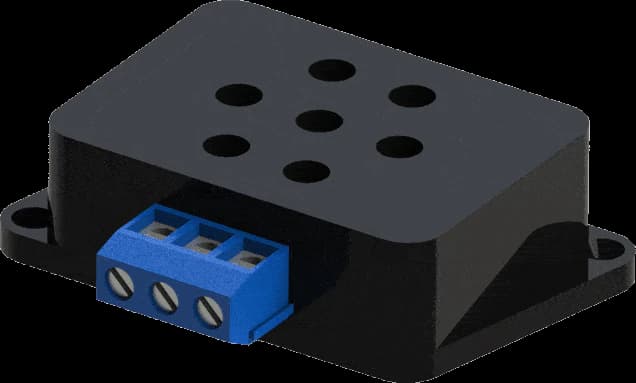 Air temperature sensors TSP-302TSP-303 Air Temperature Sensors
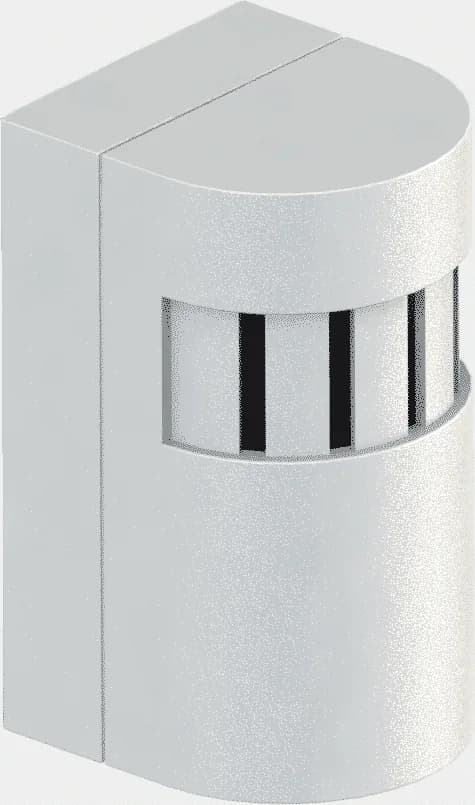 Air Temperature Sensors TSP-307
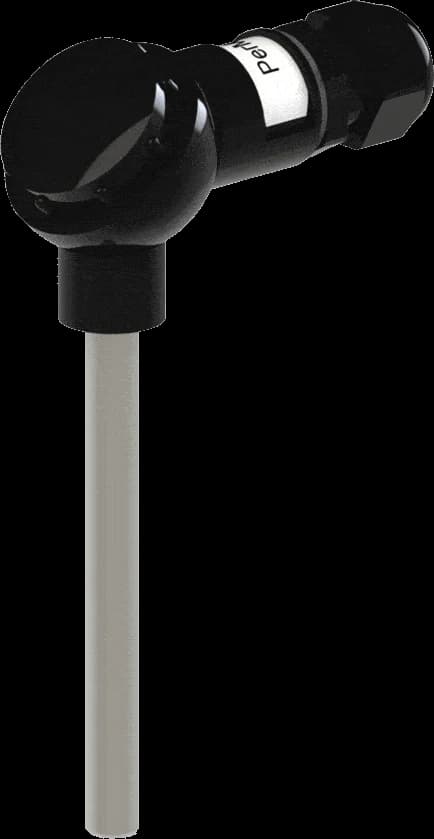 Temperature sensors TSM-001, TSP-001, TXA-001, TXK-001, TZK-001, TP-001
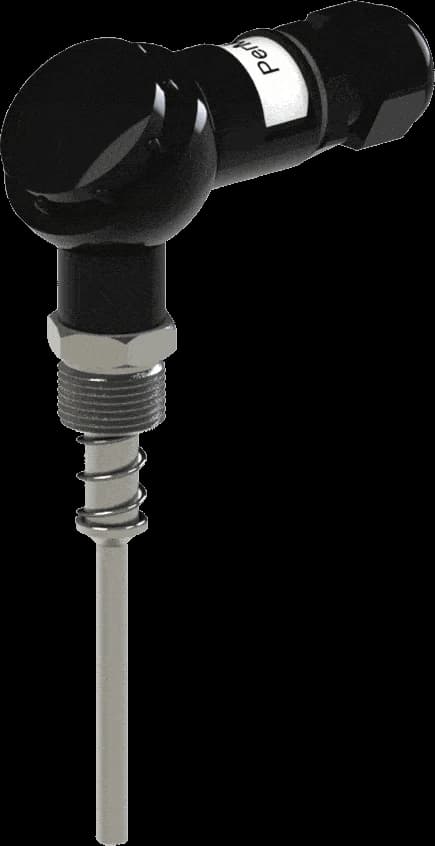 Temperature Sensors TSM-002P, TSP-002P, TXA-002P, TXK-002P, TJK-002P, TP-002P
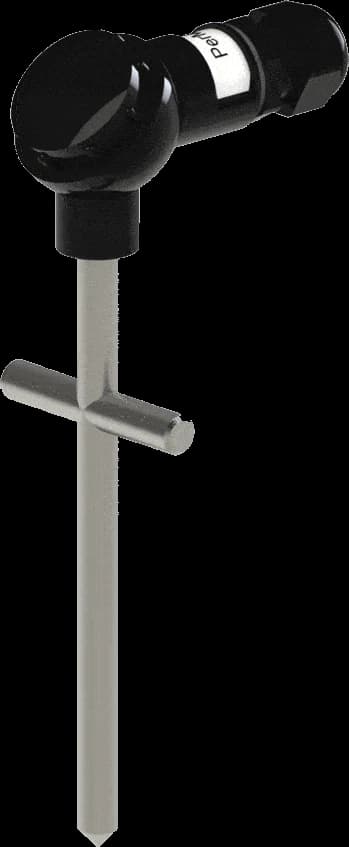 Temperature sensors TSM-004, TSP-004, TXA-004, TXK-004, TJK-004
 Temperature sensors TSM-101P, TSP-101P, TXA-101P, TXK-101P, TZK-101P, TP-101P
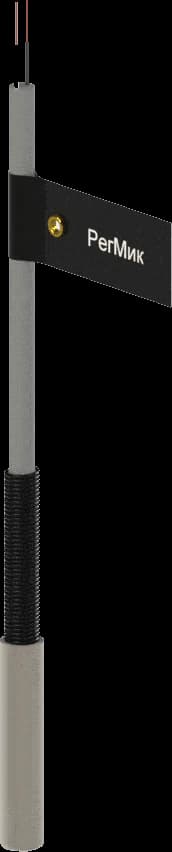 Temperature sensors TSM-102, TSP-102, TXA-102, TXK-102, TJK-102, TP-102
 Temperature sensors TSM-105, TSP-105, TXA-105, TXK-105, TZhK-105
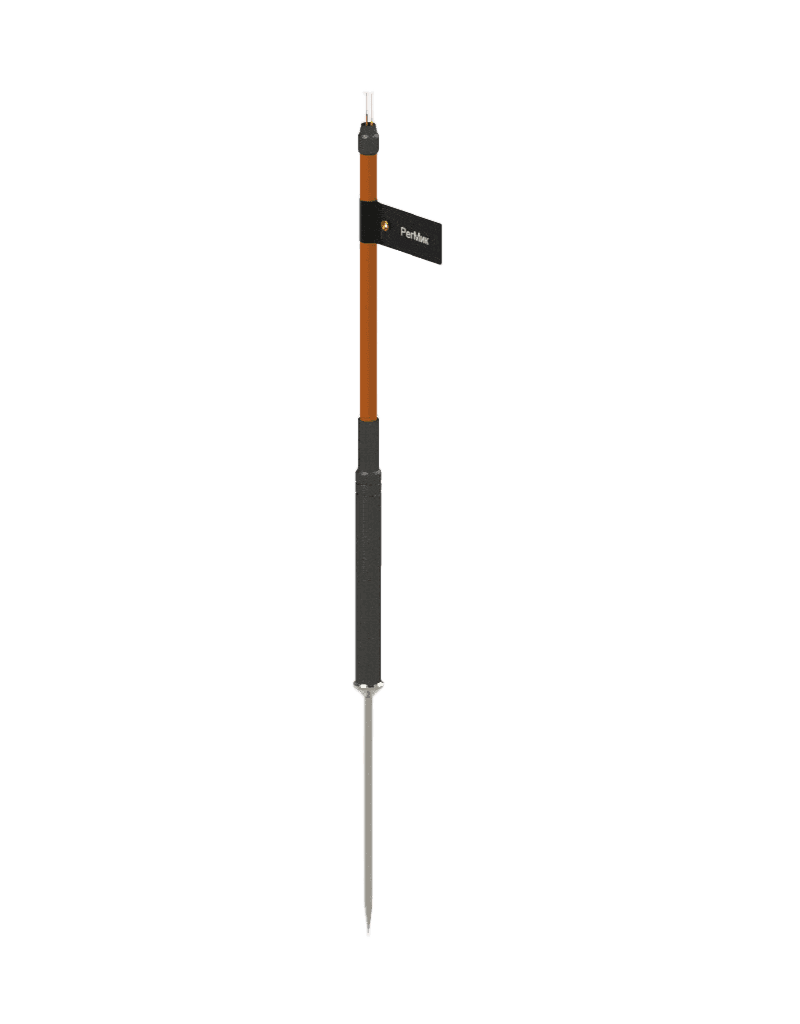 Temperature sensors TSM-106, TSP-106, TXA-106, TXK-106, TZhK-106
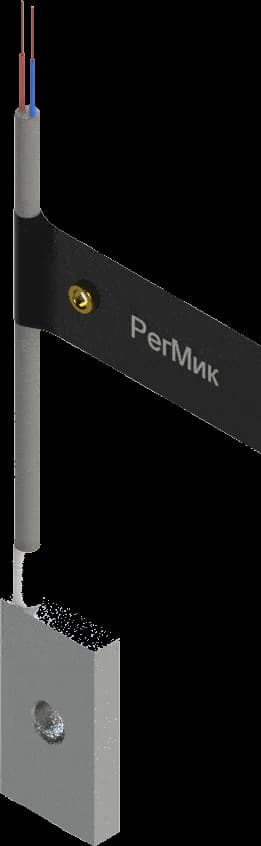 Temperature sensors TSM-204, TSP-204, TXA-204, TXK-204, TJK-204
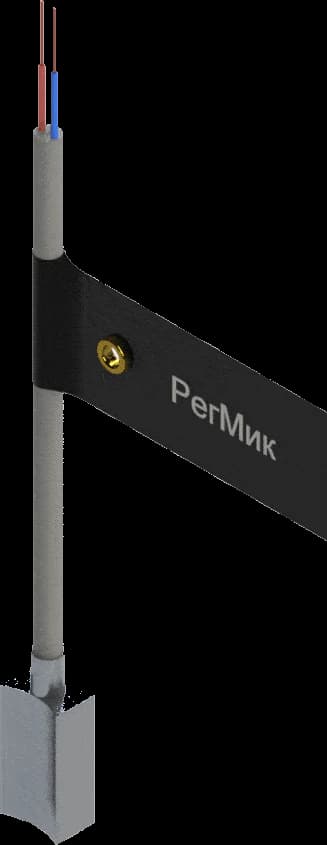 Temperature sensors TSM-204p, TSP-204p, TXA-204p, TXK-204p, TJK-204p
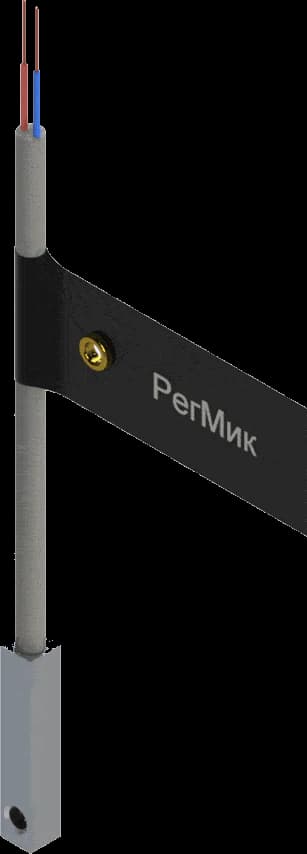 Temperature sensors TSM-205, TSP-205, TXA-205, TXK-205, TZhK-205
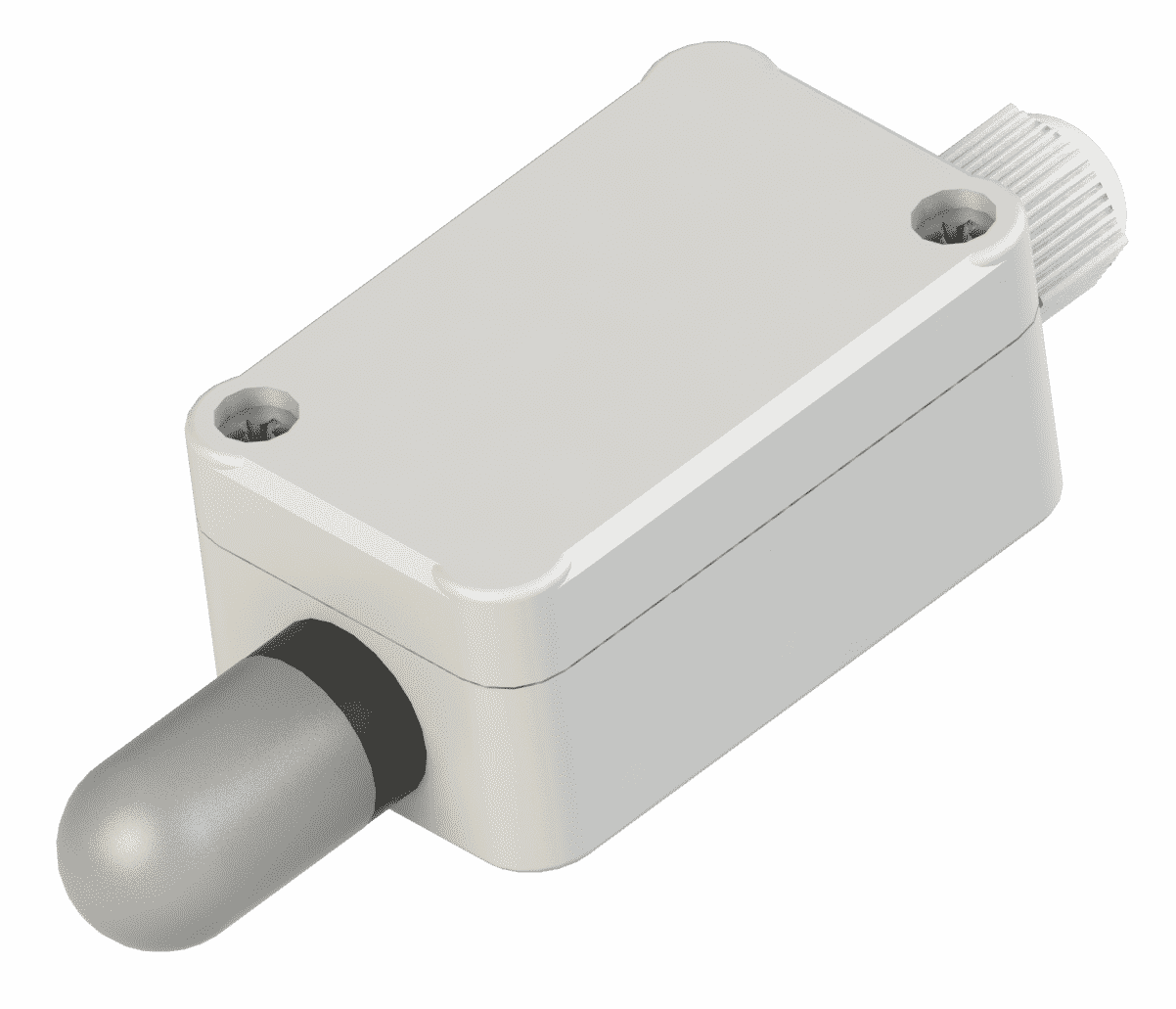 Temperature sensors TSM-304, TSP-304
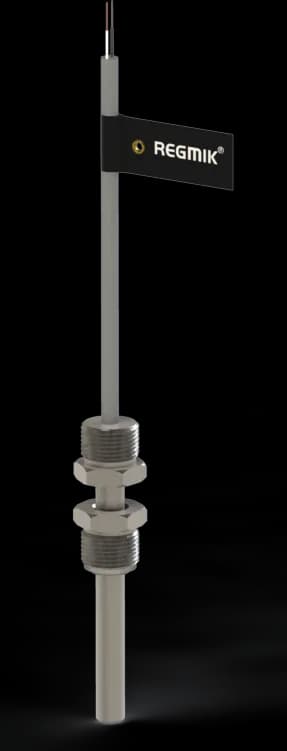 Temperature sensors TSP-111 TSM-111 TXA-111 TZHK-111 TXK-111
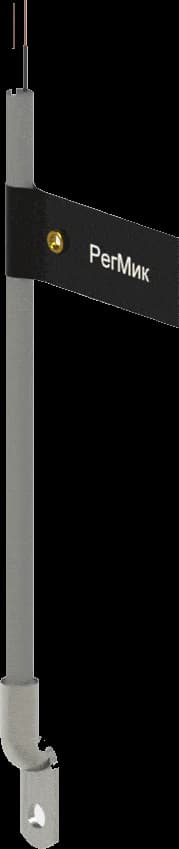 Temperature Sensors TSP-203, TXA-203, TXK-203, TZHK-203
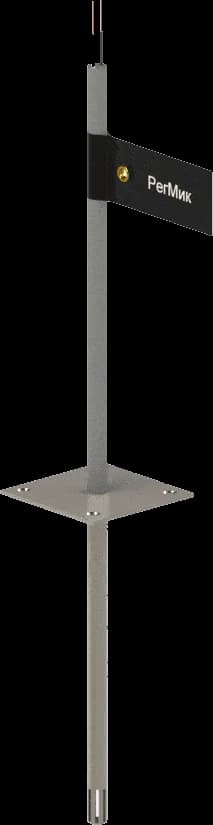 TSP-301 Temperature Sensors
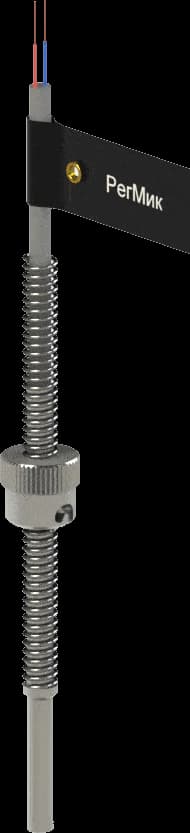 Temperature sensors TXA-108, TXK-108, TZH-108, TSM-108, MSP-108Resistance Temperature Sensor Set (matched pair for heat energy meter) KTSP-001
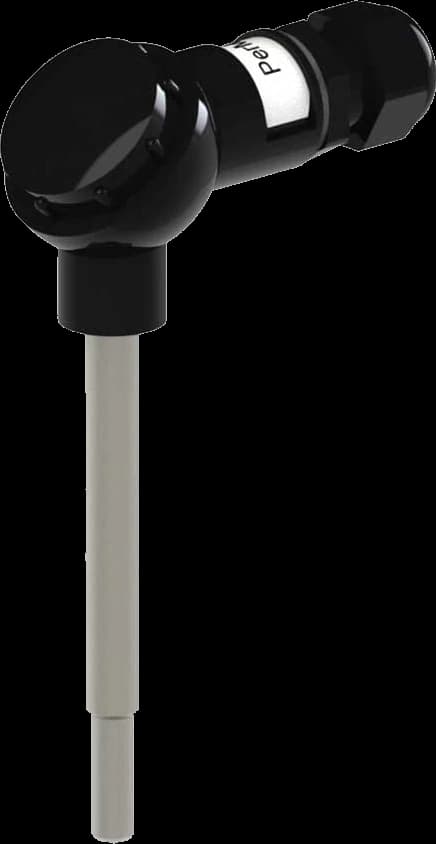 Resistance Thermometer Set (matched pair for heat meter) KTSP-001PLResistance Temperature Sensor Set (Matched Pair for Heat Meter) KTSP-002Platinum Resistance Thermometer Set (Matched Pair for Heat Meter) KTSP-003Set of resistance temperature detectors (matched pair for heat energy meter) KTSP-011Resistance Temperature Detector Set (matched pair for heat meter) KTSP-012Set of Resistance Temperature Sensors (matched pair for heat meter) KTSP-101Platinum Resistance Temperature Sensor Set (Matched Pair for Heat Meter) KTSP-101DLResistance Temperature Sensor Set (matched pair for heat meter) KTSP-101DS
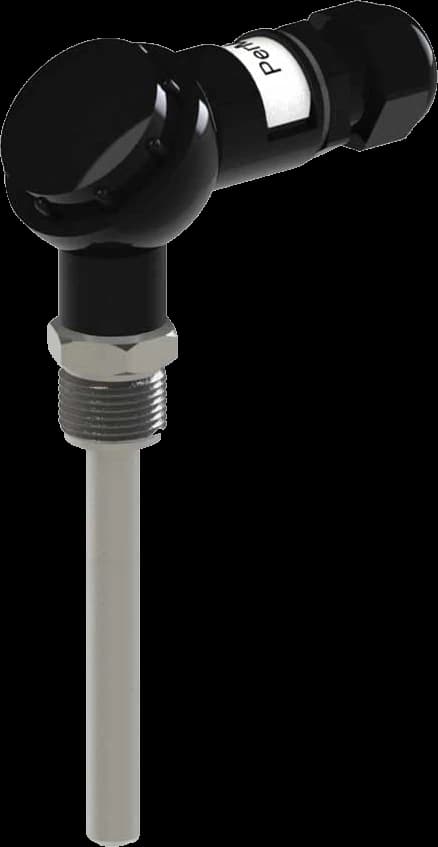 Resistance Thermometer Set (matched pair for heat meter) TSP-002DLSet of Resistance Temperature Sensors (matched pair for heat energy meter) TSP-102Set of resistance temperature detectors (matched pair for heat energy meter) TSP-102PL
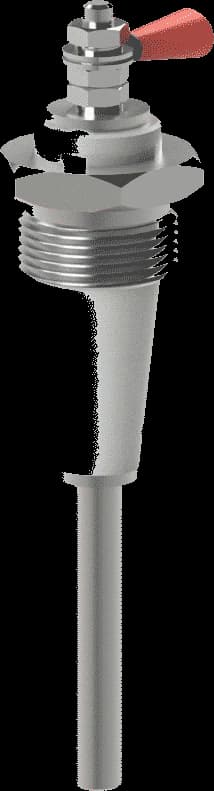 Conductometric level sensor DU-004
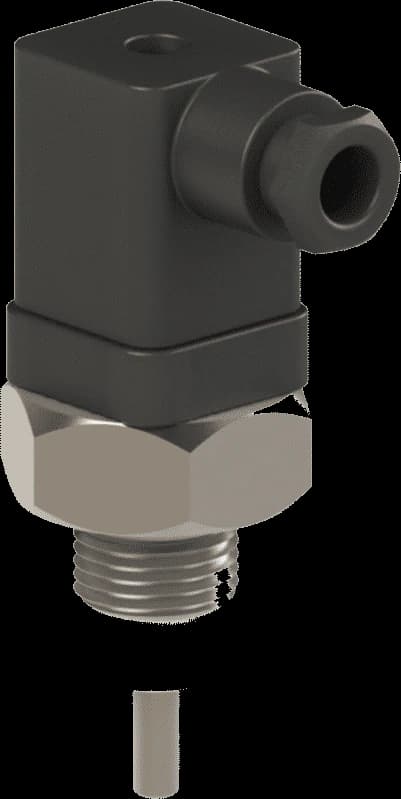 Conductometric Level Sensor with Connector DU-003Thermocouple with unified 4-20 mA output THAU-002, THKU-002, TZHKU-002
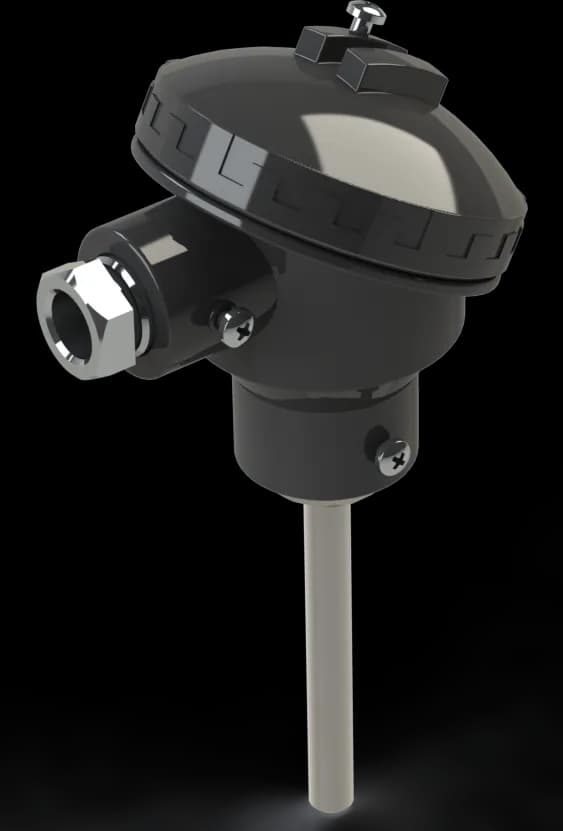 Thermocouples with unified 4-20 mA output THAU-001, THKU-001, TJKU-001
Sensors
A sensor is a general term that can mean: a measuring transducer; a primary measuring transducer; a sensitive element. A sensor is a measurement device. Sensors based on electronic technology are called electronic sensors. A single sensor can measure (monitor) one or several physical quantities simultaneously. A sensor consists of sensitive and transducing elements. The main characteristics of electronic sensors are sensitivity and error. Sensors are widely used in scientific research, testing, quality control, telemetry, automated control systems and other fields and systems where measuring information is required.
Sensors are used to monitor, measure, and transmit information about the condition of equipment, environment, or technological process. They convert physical parameters — temperature, humidity, level, current, position, or presence of contact — into a signal that can be processed by a controller, relay, regulator, automation system, or dispatching system.
Such devices are an important part of industrial automation, engineering systems, energy, ventilation, heating, pumping equipment, production lines, and safety systems. A properly selected sensor allows improving control accuracy, reducing accident risks, protecting equipment, and automating the monitoring of operating parameters.
Main Types of Sensors
Our catalog features sensors for various automation and control tasks.
Contact Sensors
Used to determine position, opening, closing, or when a mechanism reaches a specified point. This group includes limit switches, micro switches, magnetic contact sensors, and position sensors. They are used in machine tools, conveyors, door systems, control cabinets, elevators, lifting equipment, and safety systems.
Temperature Sensors
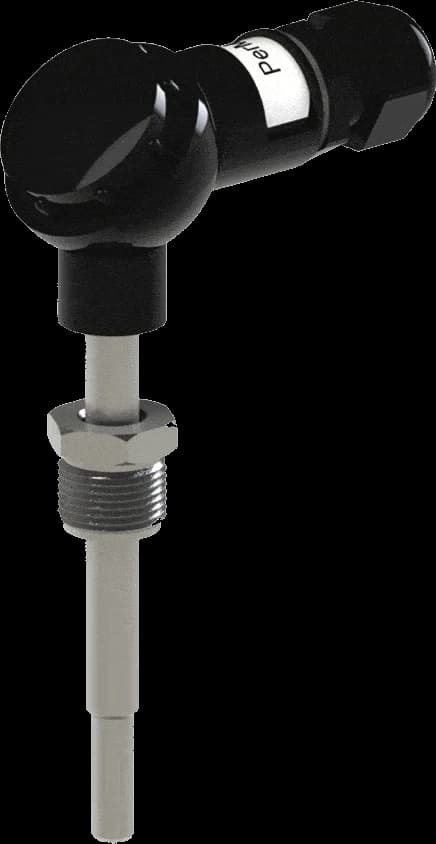
Designed to measure the temperature of liquids, gases, air, surfaces, and technological media. They are used in heating, ventilation, boiler equipment, refrigeration units, industrial processes, and production lines. Available models have sensitive elements such as Pt100, Pt1000, thermocouples, and various output signal types.
Humidity Sensors
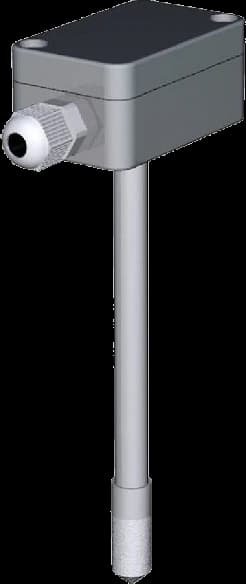
Used to monitor air humidity in rooms, ventilation ducts, greenhouses, warehouses, laboratories, and industrial zones. Such sensors help maintain a stable microclimate, prevent condensation, and protect products, materials, and equipment from excessive or insufficient humidity.
Level Sensors
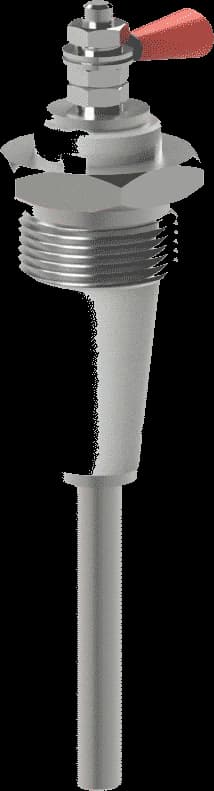
Used to monitor the level of liquids, bulk materials, and technological media in tanks, reservoirs, silos, pump stations, and production facilities. They help prevent overflow, protect pumps from dry running, and automate filling or pumping processes.
Current Sensors
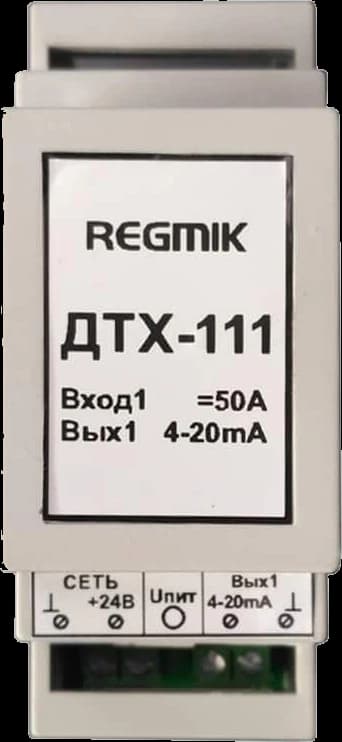
Designed to measure and monitor alternating or direct current in electrical circuits. They are used in switchboard equipment, energy monitoring systems, drives, frequency converters, power supplies, protection systems, and industrial automation.
Where Sensors Are Used
Sensors are used in many technical and industrial systems:
- automation of production processes;
- heating, ventilation, and air conditioning systems;
- boiler and heating points;
- pump and compressor stations;
- switchboard equipment;
- energy monitoring systems;
- food, chemical, and pharmaceutical industries;
- storage complexes;
- greenhouses and agricultural facilities;
- water supply and sewage systems;
- technological tanks and pipelines;
- machines, conveyors, and production lines;
- security and access control systems.
In industry, sensors ensure stable equipment operation and help monitor key process parameters. In engineering systems, they are used for automatic control of temperature, humidity, liquid level, electrical load, or mechanism positions.
How to Choose a Sensor
When choosing a sensor, it is necessary to consider not only the parameter to be measured but also the operating conditions, installation method, and signal requirements.
Main selection criteria:
- type of controlled parameter;
- measurement range;
- accuracy and response speed;
- type of environment;
- operating temperature and pressure;
- type of output signal;
- installation method;
- housing material;
- degree of protection;
- compatibility with controller, relay, or automation system;
- operating conditions: humidity, dust, vibrations, aggressive environment;
- need for analog, discrete, or digital signal.
For climate control systems, temperature and humidity sensors are typically used. Reservoirs and pumping equipment require level sensors. Switchboards and load monitoring use current sensors. Contact sensors are suitable for mechanisms, doors, covers, conveyors, and protective enclosures.
Sensor Output Signals
Depending on the purpose, sensors can have various types of outputs:
- 4–20 mA;
- 0–10 V;
- 0–5 V;
- relay output;
- NO / NC contact;
- PNP / NPN;
- RS485 Modbus;
- IO-Link;
- HART;
- pulse or digital signal.
For industrial automation, unified signals 4–20 mA and 0–10 V are often used. For simple equipment status control, discrete or relay outputs are suitable. Digital interfaces are convenient for modern dispatching and data collection systems.
Advantages of Using Sensors
Quality sensors improve equipment reliability, reduce human error influence, and provide stable control of technological parameters.
Using sensors allows:
- automation of equipment operation;
- control of key process parameters;
- prevention of emergency situations;
- improvement of control accuracy;
- reduction of energy consumption;
- protection of equipment from overload or incorrect operating mode;
- transmission of data to controllers or SCADA systems;
- enhancement of personnel and production safety;
- optimization of engineering and industrial systems’ operation.
Buy Sensors
Our catalog features sensors for industrial automation, engineering systems, switchboard equipment, pump stations, ventilation, heating, tanks, and production processes. You can select contact sensors, temperature sensors, humidity sensors, level sensors, and current sensors for specific operating conditions.
We will help you choose a sensor according to equipment type, measurement range, installation method, output signal, and the requirements of your automation system.