
Humidity sensors
Humidity sensors are used to monitor humidity levels in rooms, ventilation ducts, greenhouses, warehouses, refrigeration units, and industrial systems. The catalog includes room, duct, outdoor, and industrial models, as well as combined humidity and temperature sensors with various types of output signals.
Assortment
Products
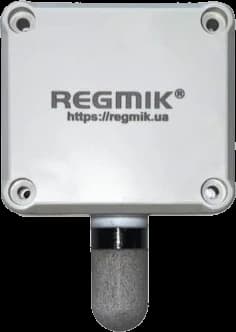 Wireless Temperature and Humidity Sensor DVTs-304-LoRa
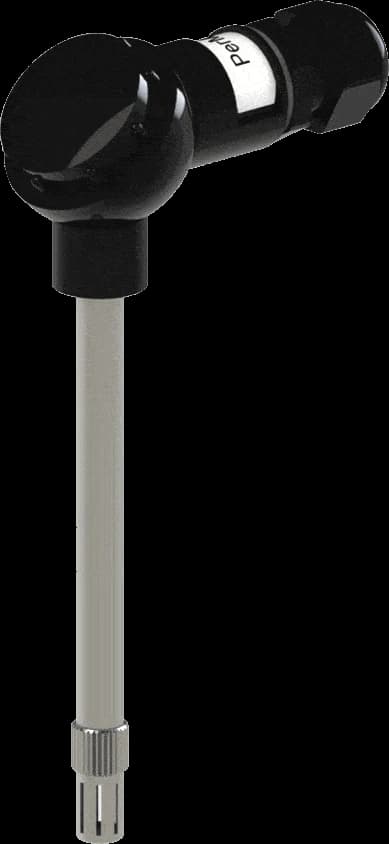 Humidity and Temperature Sensor DVT-001, DVTc-001
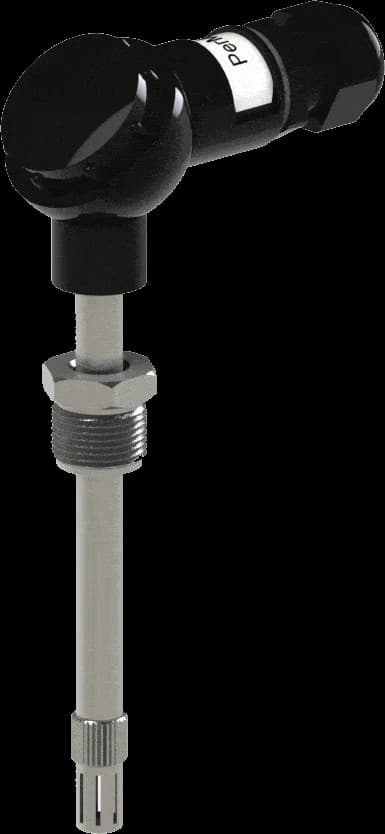 Humidity and Temperature Sensor DVT-002, DVTc-002
 Humidity and Temperature Sensor DVT-101, DVTc-101
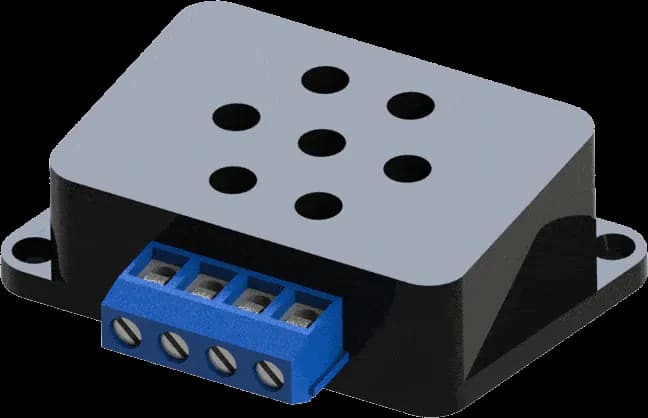 Humidity and Temperature Sensor DVT-302, DVTc-302
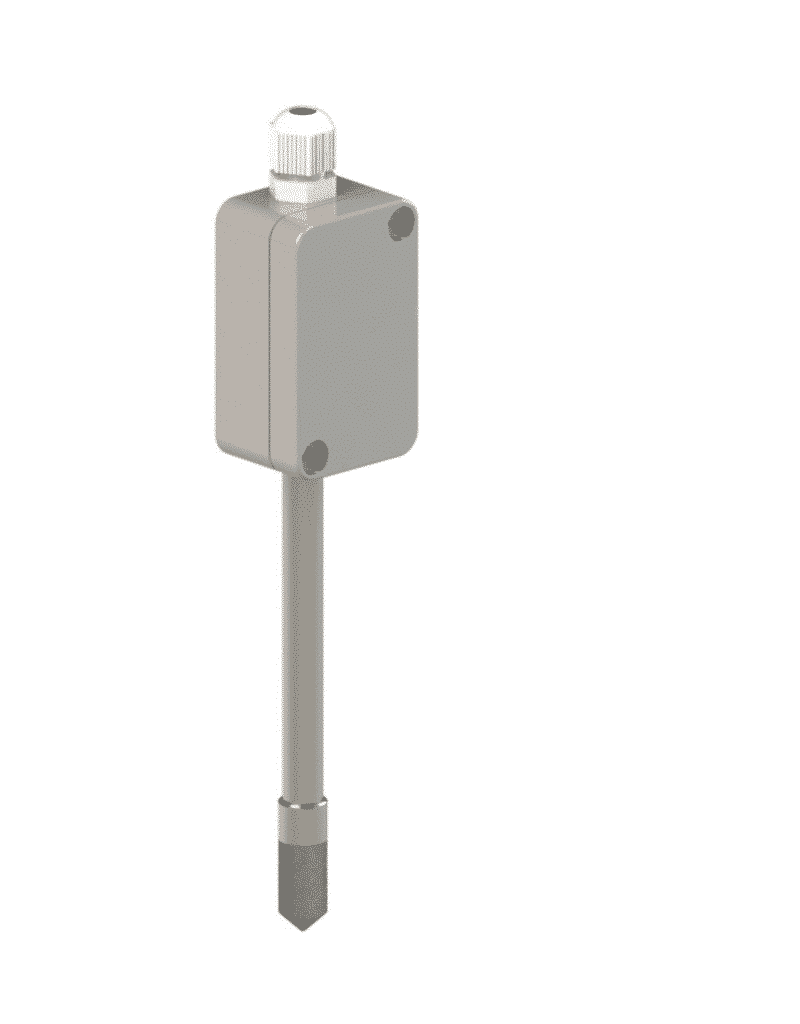 Humidity and Temperature Sensor DVT-303, DVTc-303
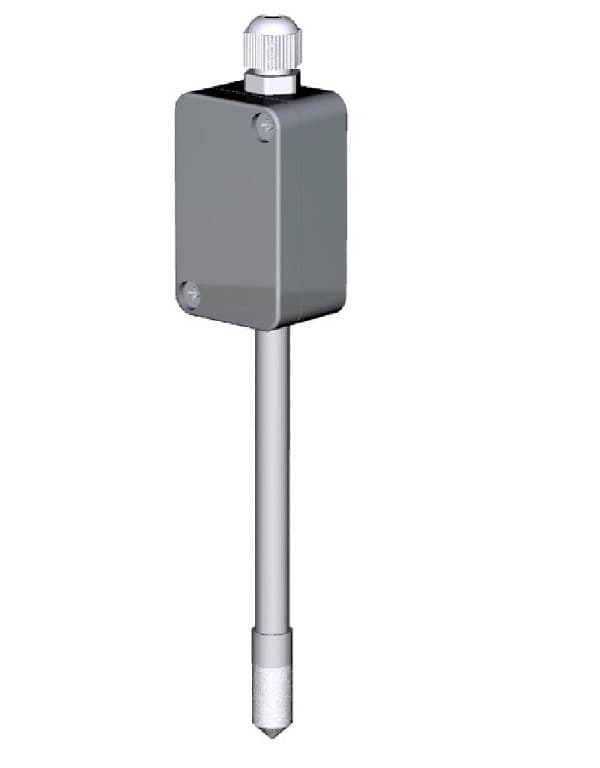 Humidity and Temperature Sensor DVT-303, DVTc-303
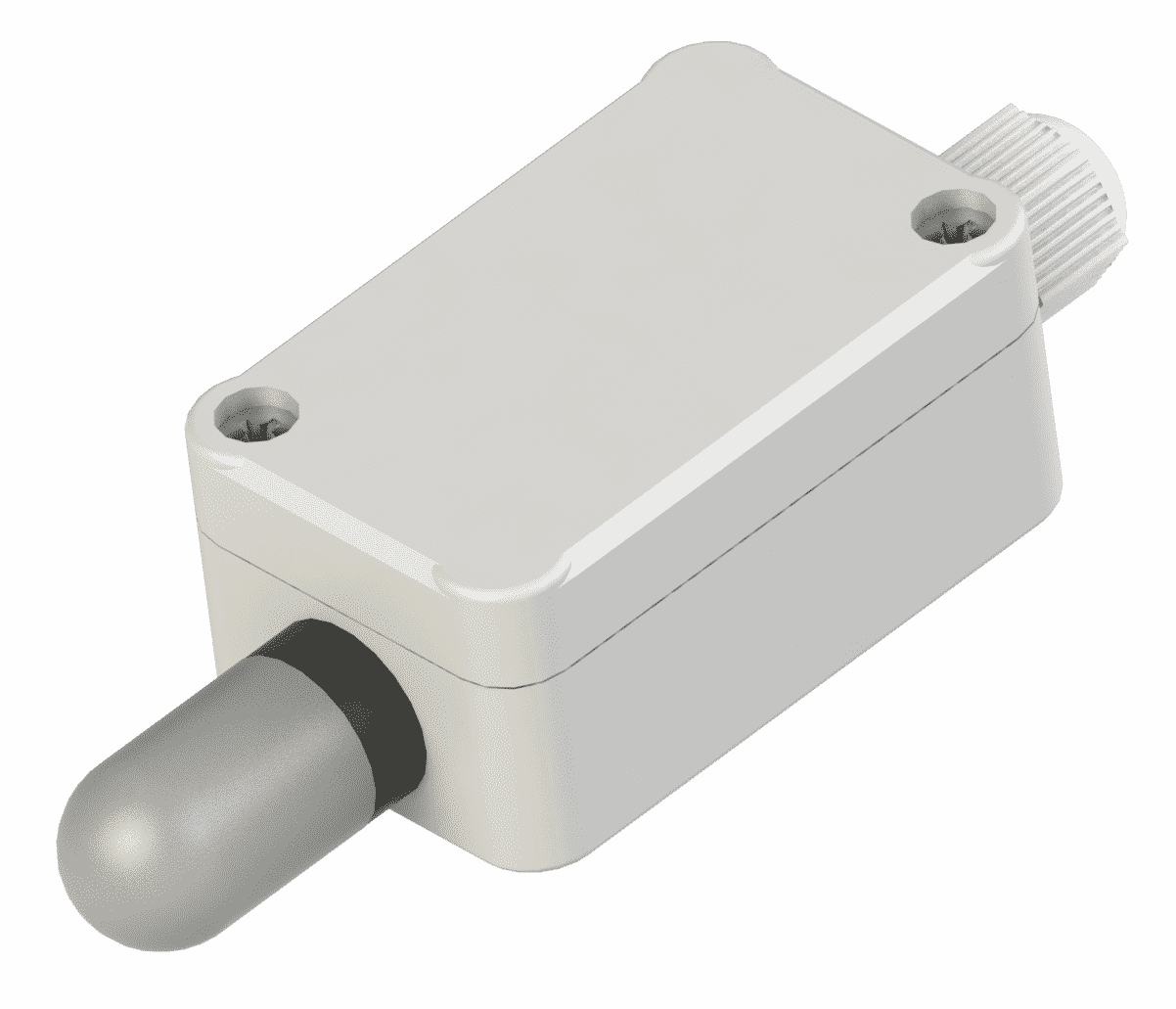 DVTc-304 Humidity and Temperature Sensor
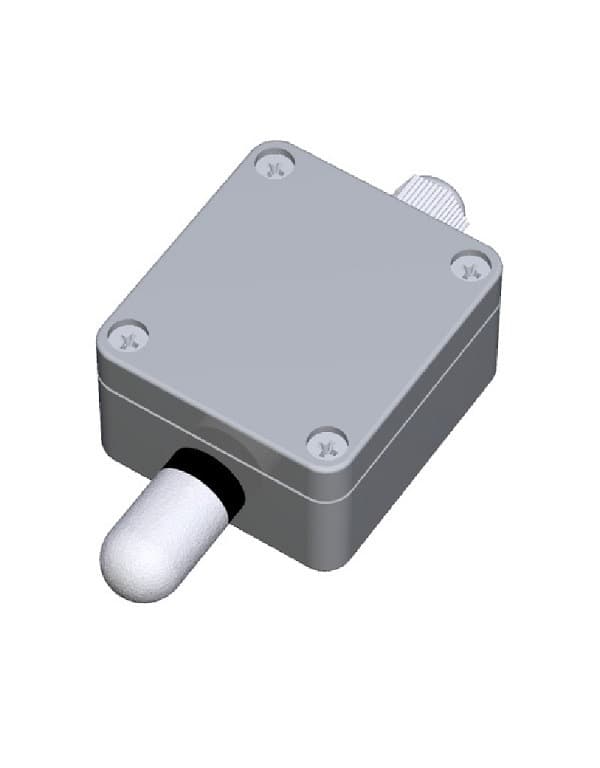 Humidity and Temperature Sensor DVT-304
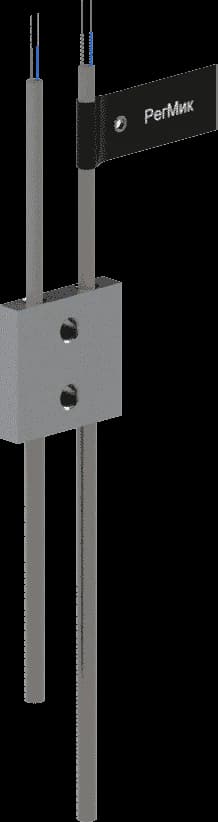 Humidity and Temperature Sensors (Psychrometer) DVT-003
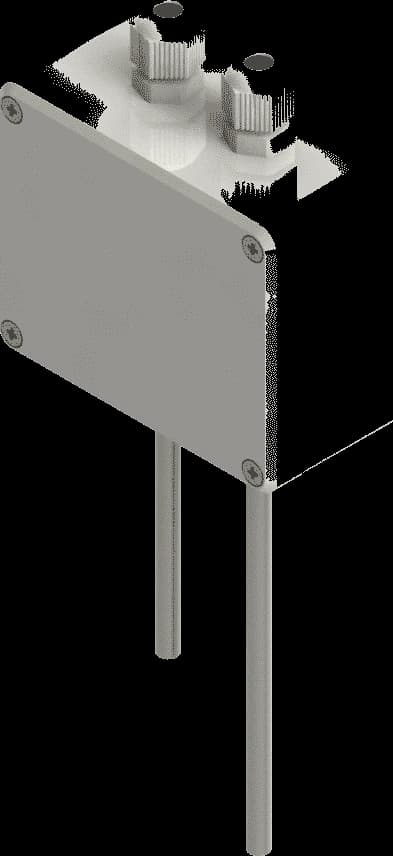 Humidity and Temperature Sensors (Psychrometer) DVT-013
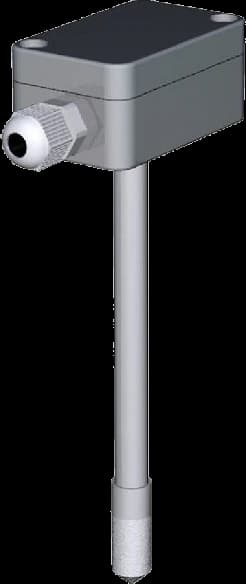 Humidity and Temperature Sensors DVT-011, DVTc-011
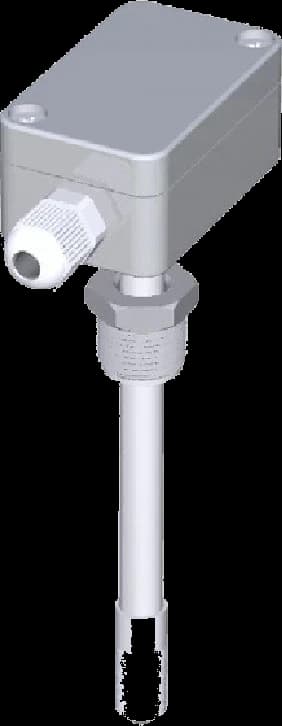 Humidity and Temperature Sensors DVT-012, DVTc-012
Humidity and Temperature Sensors
Humidity and temperature sensors (or hygrometers) are designed to measure both air humidity and temperature. The ratio of air humidity to the maximum possible amount of moisture at a certain temperature is called relative humidity. There are three main types of humidity sensors:- capacitive
- resistive
- thermal
Capacitive Humidity Sensors
A capacitive humidity sensor measures relative humidity by placing a thin strip of metal oxide between two electrodes. The electrical capacitance of the metal oxide changes depending on the relative humidity of the atmosphere. Meteorology, commerce, and industry are the primary application areas.Resistive Humidity Sensors
Resistive humidity sensors use ions in salts to measure electrical resistance. As humidity changes, the resistance between electrodes on both sides of the salt medium varies.Humidity Sensors
Humidity sensors are designed to measure and control moisture content in air, gaseous environments, or technological processes. They are used in ventilation, air conditioning, heating, drying, product storage, climate control, and industrial automation systems.
The main task of a humidity sensor is to convert changes in humidity into an electrical signal that can be transmitted to a controller, regulator, dispatch system, or other equipment. This enables automatic maintenance of the desired microclimate, protection of products from spoilage, reduction in energy consumption, and control of technological process stability.
Main Types of Humidity Sensors
Depending on design, operating principle, and installation location, different types of humidity sensors are used.
Room Humidity Sensors
Installed inside rooms and used for microclimate control in offices, residential buildings, warehouses, laboratories, retail spaces, and production areas. These models are often used together with ventilation and air conditioning systems.
Duct Humidity Sensors
Mounted in ventilation ducts and air channels. They allow monitoring air humidity in supply and exhaust ventilation systems, climate units, drying chambers, and industrial air pipelines.
Outdoor Humidity Sensors
Designed to operate outdoors. These devices have a protected housing and are used in weather stations, automatic climate control systems, agricultural complexes, greenhouses, and facilities monitoring external weather conditions.
Industrial Humidity Sensors
Used in harsh operating conditions: elevated temperature, dust, vibrations, or aggressive environments. Employed in manufacturing, technological lines, drying equipment, storage chambers, and industrial installations.
Humidity and Temperature Sensors
Combined devices that measure two parameters simultaneously: relative humidity and temperature. This is a convenient solution for automation systems that require full microclimate monitoring.
Dew Point Sensors
Used where it is important to monitor the risk of condensation. Such devices are essential for refrigeration equipment, compressor systems, air drying, paint booths, warehouses, and production facilities with strict air quality requirements.
Principle of Operation of Humidity Sensors
Modern sensors often use capacitive or resistive sensing elements. They respond to changes in the amount of water vapor in the air and generate a corresponding electrical signal.
Capacitive sensors provide good stability, high accuracy, and are suitable for most climate control systems. Resistive sensors are used in simpler solutions where basic humidity measurement is required at an affordable price.
Depending on the model, the sensor can output signals in various formats:
- 4–20 mA;
- 0–10 V;
- 0–5 V;
- relay output;
- RS485 Modbus;
- digital signal;
- combined output for humidity and temperature.
The choice of output signal depends on the type of controller, automation system, and accuracy requirements.
Applications of Humidity Sensors
Humidity sensors are used in many industries where it is necessary to maintain a stable humidity level or control air quality.
Main application areas:
- ventilation and air conditioning systems;
- heating and climate control systems;
- warehouses and logistics complexes;
- food industry;
- pharmaceutical manufacturing;
- greenhouses and agricultural complexes;
- drying chambers;
- refrigeration units;
- museums, archives, and libraries;
- laboratories;
- server and technical rooms;
- compressor stations;
- electronics manufacturing;
- woodworking, textile, and printing industries.
In warehouses, humidity sensors help maintain products in proper conditions. In greenhouses, they support the optimal microclimate for plants. In pharmaceutical and food industries, humidity control is crucial for stable product quality and meeting technological requirements.
How to Choose a Humidity Sensor
When choosing a humidity sensor, it is necessary to consider operating conditions, measurement accuracy, and connection method to the control system.
Key selection parameters:
- humidity measurement range;
- accuracy of readings;
- availability of temperature measurement;
- type of output signal;
- installation type: room, duct, outdoor, or industrial;
- degree of housing protection;
- operating temperature of the environment;
- resistance to condensation, dust, and pollution;
- sensor response speed;
- need for calibration;
- compatibility with controller or automation system.
Typically, room or duct sensors with 0–10 V or 4–20 mA output are used for standard ventilation and air conditioning systems. For industrial processes, models with increased protection, stable sensors, and the ability to operate in harsh conditions are preferable. If data needs to be transmitted to digital dispatch systems, sensors with RS485 Modbus interface should be considered.
Advantages of Using Humidity Sensors
Installing humidity sensors allows automating microclimate control and increasing efficiency of engineering systems.
A quality humidity sensor helps to:
- maintain a stable humidity level;
- prevent condensation;
- protect products, equipment, and materials from damage;
- improve operation of ventilation and air conditioning;
- reduce energy costs;
- enhance quality of technological processes;
- ensure comfortable conditions indoors;
- automate control of humidifiers, dehumidifiers, and ventilation units.
Humidity sensors can operate as standalone measurement devices or be part of a complex automation system together with controllers, regulators, frequency converters, valves, fans, and dispatch software.
Buy Humidity Sensors
Our catalog offers humidity sensors for ventilation, air conditioning, warehouses, greenhouses, industrial premises, and processes. Available are room, duct, outdoor, and industrial models, as well as combined humidity and temperature sensors.
We will help you select a humidity sensor according to operating conditions, required accuracy, output signal type, and specifics of your automation system.