
Level Sensors
Level sensors are designed to monitor the fill levels of tanks, containers, silos, and technological vessels. The catalog offers models for liquids, bulk materials, water, fuel, chemical environments, and industrial processes. Choose a sensor by measurement type, output signal, mounting method, and operating conditions.
Assortment
Products

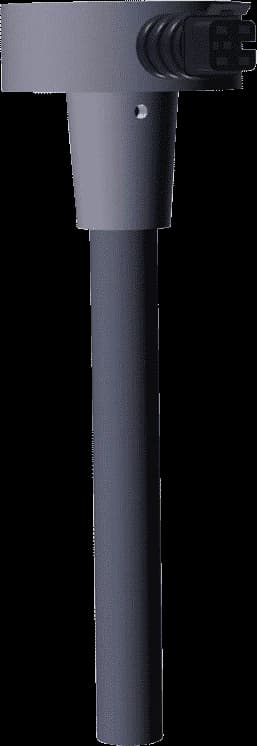
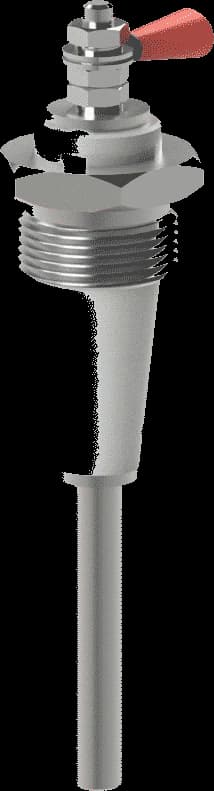
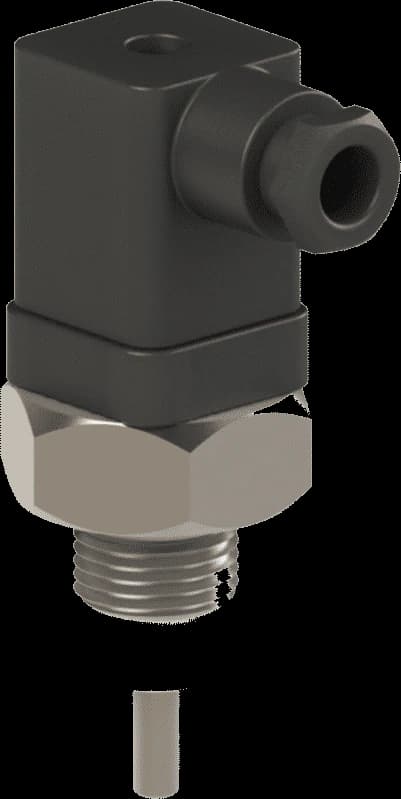
Level Sensors
Level sensors are used to monitor the amount of liquid, bulk materials, or other media in tanks, containers, silos, vessels, technological installations, and pipelines. They allow determining the current fill level, transmit signals to automation systems, and prevent overflow, pump dry run, or material shortage in the production process.
Such devices are an important part of industrial automation as they ensure stable equipment operation, enhance safety, and help control technological processes without constant operator involvement.
Main Types of Level Sensors
Depending on the operating principle, operating conditions, and type of medium, different types of level sensors are used.
Float Level Sensors
Simple and reliable devices for controlling minimum or maximum liquid levels. The float changes position according to the medium level and switches a contact. Such sensors are often used in tanks, pump stations, water supply, and drainage systems.
Hydrostatic Level Sensors
Measure liquid level by the pressure of the medium column. The higher the liquid level, the greater the pressure on the sensor. This is a convenient solution for reservoirs, wells, water supply systems, treatment facilities, and technological vessels.
Ultrasonic Level Sensors
Operate contactlessly: the device emits an ultrasonic signal and determines the distance to the material surface. Such models are suitable for liquids, wastewater, bulk materials, and environments where direct sensor contact with the product is undesirable.
Radar Level Sensors
Used for precise non-contact level measurement under challenging conditions. They are resistant to vapor, dust, temperature, and pressure fluctuations. Radar sensors are often used in chemical, food, energy, and oil & gas industries.
Capacitive Level Sensors
Respond to changes in electrical capacitance between the sensor electrode and the tank wall or medium. Suitable for monitoring liquids, pasty substances, powders, and granular materials.
Conductive Level Sensors
Used for electrically conductive liquids. They are simple in design, affordable, and often used for monitoring water, solutions, technical liquids, and equipment protection from emergency modes.
Vibrating Level Sensors
Determine the presence or absence of medium by changing oscillations of the sensitive element. Well suited for bulk materials, powders, grain, cement, granules, as well as liquids in technological vessels.
Where Level Sensors Are Used
Level sensors are used in various industries and engineering systems:
- water supply and drainage systems;
- pump stations;
- tanks with water, fuel, oils, or chemical liquids;
- food industry;
- chemical production;
- pharmaceutical enterprises;
- agriculture;
- elevators and silos;
- waste water treatment systems;
- boiler and heating stations;
- production lines;
- warehouse and dosing systems.
In pumping systems, level sensors can protect pumps from dry running or automatically switch equipment on and off at set limits. In tanks, they help monitor liquid reserves, avoid overflow, and transmit data to controllers or dispatch systems.
Signals and Connections
Depending on the model, level sensors can function as threshold indicators or continuous measurement devices.
Level Indicators detect reaching a certain point: minimum, maximum, or emergency level. They usually have relay, transistor, or discrete outputs.
Continuous Measurement Sensors transmit the current level value as an analog or digital signal. The most common output signal types are:
- 4–20 mA;
- 0–10 V;
- relay output;
- PNP/NPN;
- Modbus;
- HART;
- IO-Link.
The choice of signal type depends on the controller, automation system, and measurement accuracy requirements.
How to Choose a Level Sensor
To select the right level sensor, consider not only the tank height but also the properties of the medium. Key selection parameters include:
- type of medium: liquid, bulk material, paste, foam, or granules;
- temperature and pressure in the tank;
- presence of foam, vapor, dust, or condensation;
- chemical aggressiveness of the medium;
- electrical conductivity of the liquid;
- viscosity and density of the product;
- required measurement accuracy;
- mounting method;
- material of housing and wetted parts;
- type of output signal;
- operating conditions;
- need for explosion protection or sanitary design.
For simple water monitoring, a float or conductive sensor is often sufficient. For accurate level measurement in a tank, hydrostatic, ultrasonic, or radar models are better. For bulk materials, effective solutions include vibrating, capacitive, or radar sensors.
Advantages of Using Level Sensors
A quality level sensor helps automate inventory control, protect equipment, and reduce risks of emergency situations. Installing it allows to:
- monitor tank filling in real time;
- prevent overflow;
- protect pumps from dry running;
- automate liquid supply and pumping;
- reduce raw material losses;
- enhance production safety;
- optimize technological equipment operation;
- minimize human factor impact.
Level sensors can operate as standalone devices or be part of a complex automation system with controllers, relays, frequency converters, and dispatch software.
Buy Level Sensors
Our catalog features level sensors for liquids, bulk materials, and technological media. You can select a model for a tank, container, well, silo, pump station, or industrial installation.
We will help you choose a level sensor considering the type of medium, measurement height, temperature, pressure, mounting method, and output signal requirements.