
Measuring Instruments
REGMIK measuring instruments are designed to receive, process, and display signals from sensors and primary transducers. The devices are used for controlling temperature, humidity, pressure, level, flow, current, and other technological parameters in industrial automation systems.
Sections
Subcategories
Assortment
Products
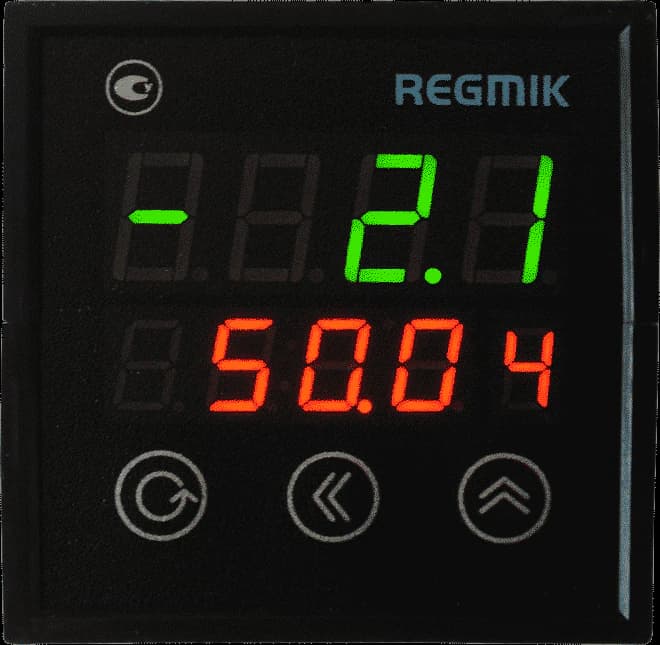 Two-channel Humidity and Temperature Meter И4-2ДВТ
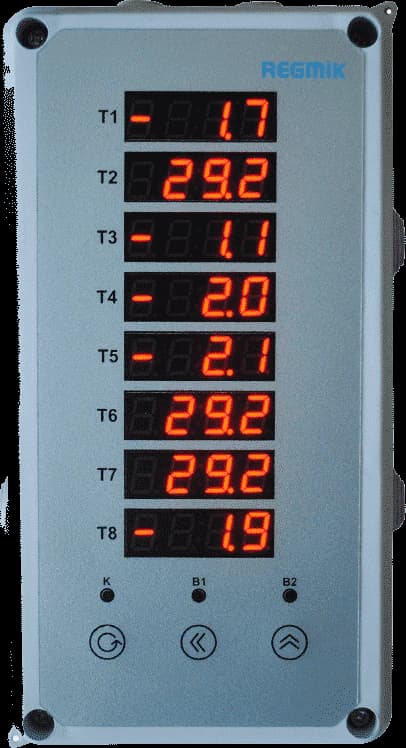 Eight-Channel Measurer I8
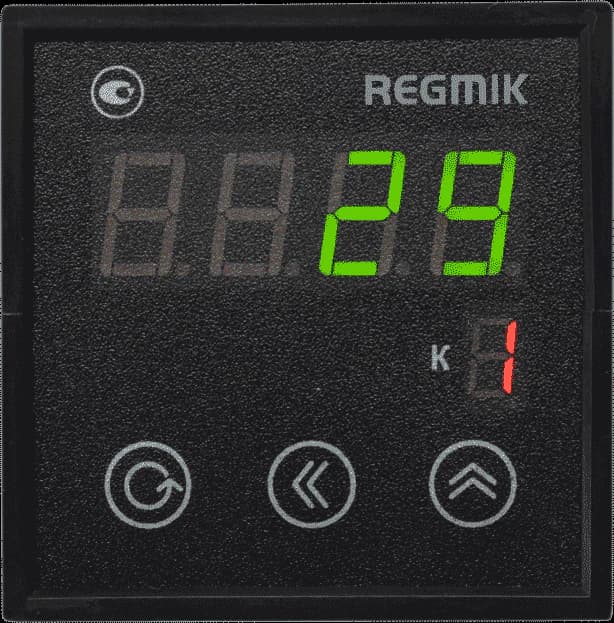 Eight-channel measurer I8
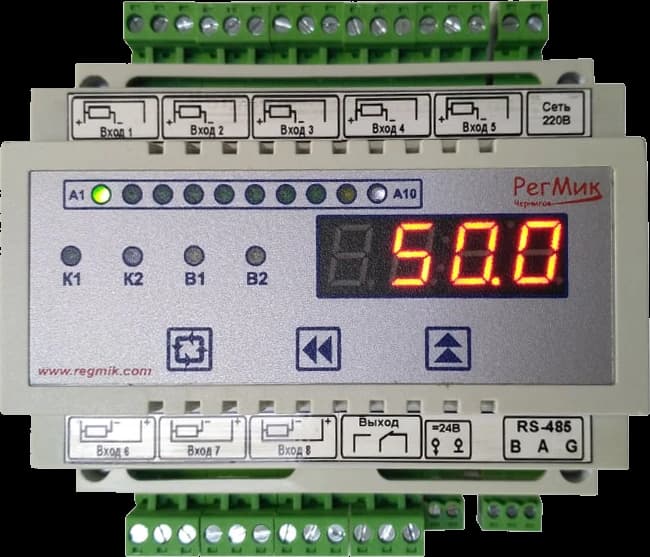 Eight-channel meter I8-D6
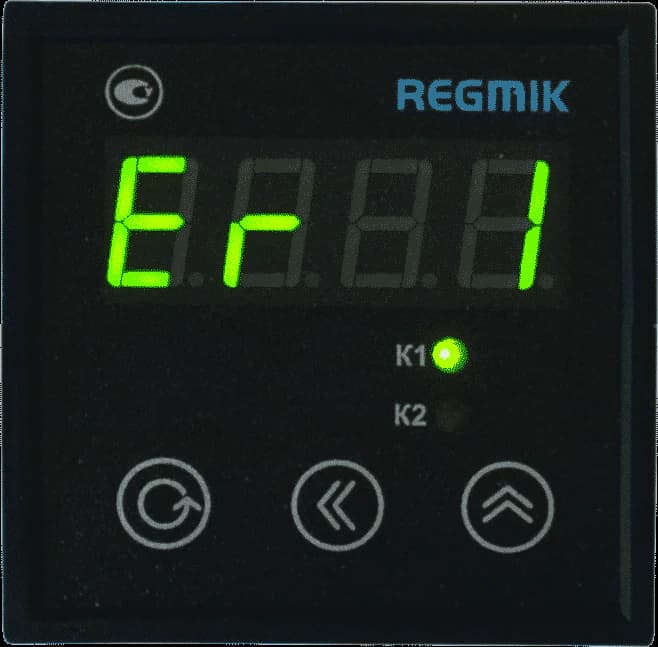 Two-channel measurer I2
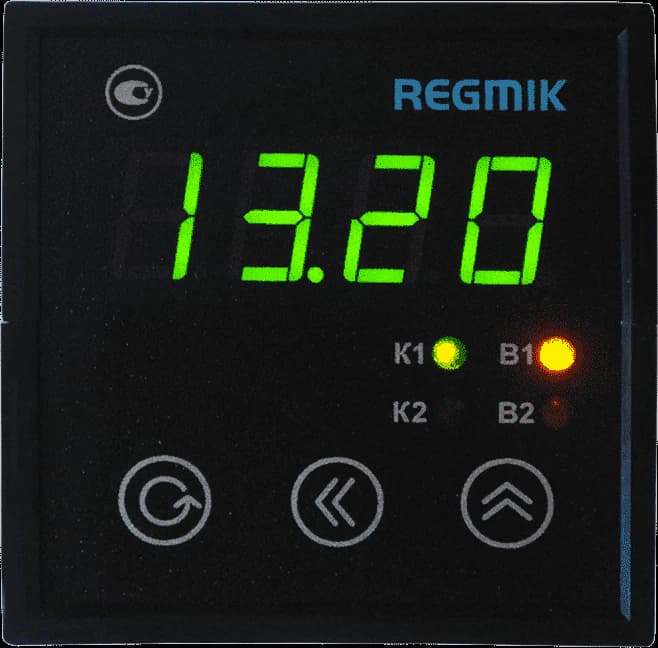 Two-channel measurer I2-01
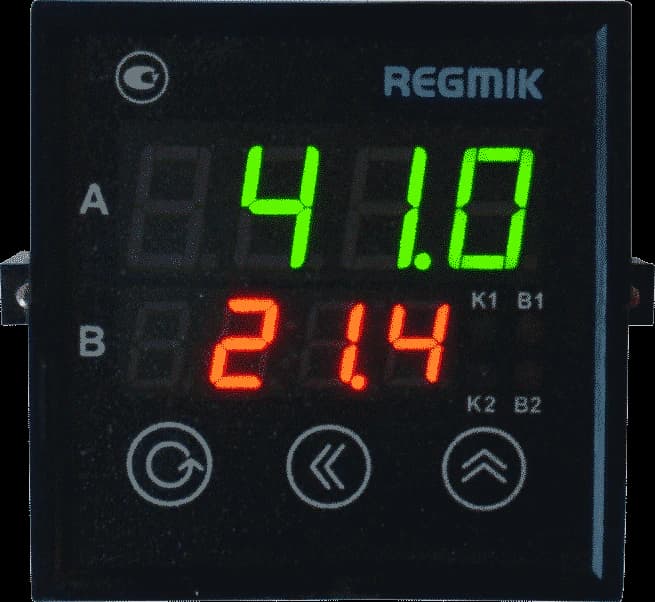 Temperature and Humidity Meter И2-1ДВТ
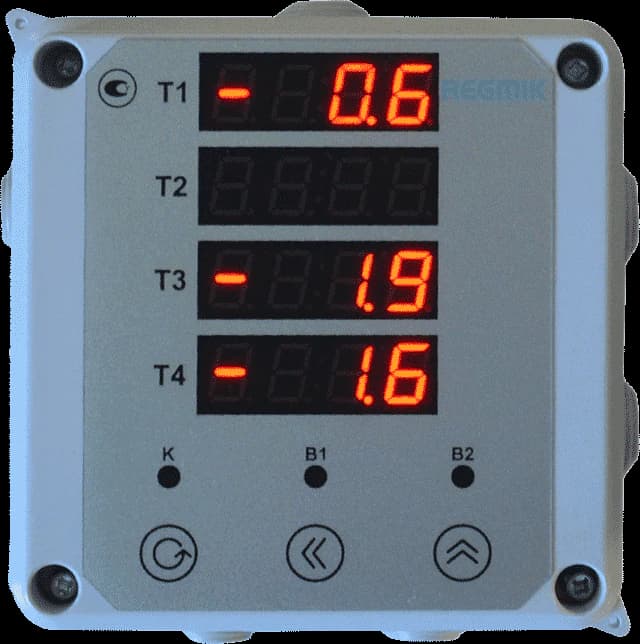 Four-channel wall-mounted temperature meter И4
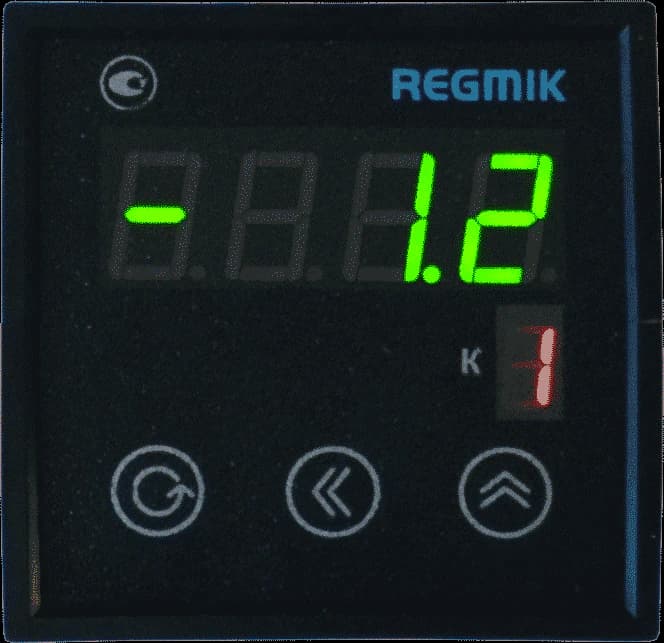 Four-Channel Measurer I4
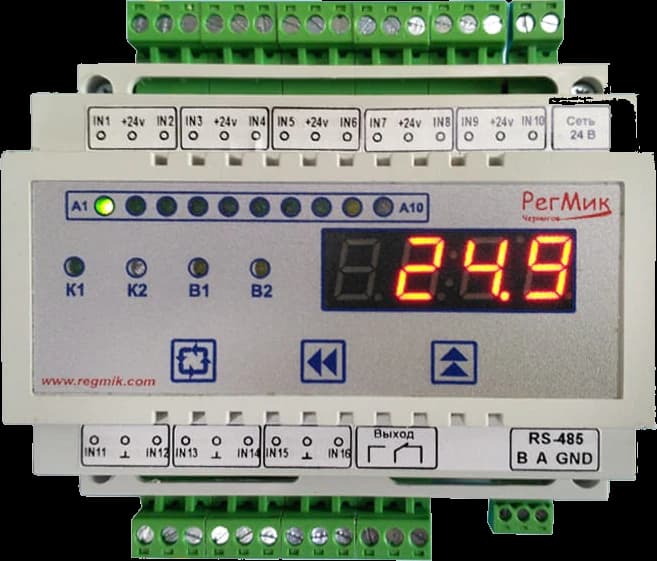 Sixteen-Channel Meter I16-D6
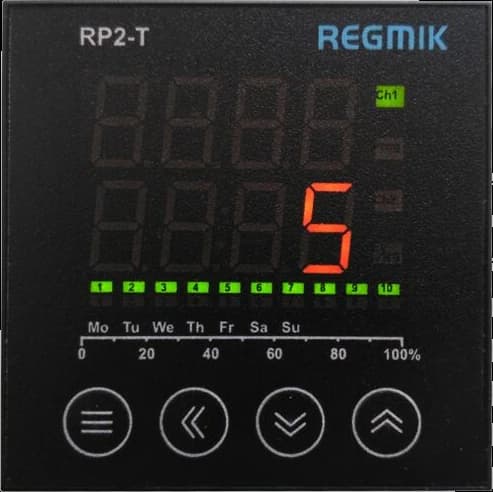 Universal Two-Channel Counter-Timer RP2-T
Measuring Instruments
Measuring instruments are used for continuous monitoring of technological parameters in industrial, energy, and engineering systems. They receive signals from sensors or transducers, process them, and display current values on a digital screen.
Such devices are an important part of automation systems, allowing the operator to obtain accurate information about the state of equipment and the technological process in real time. Depending on the model, measuring instruments may also perform alarm functions, data archiving, information transmission via communication interfaces, or operate as part of automated control systems.
What Measuring Instruments Are Used For
The main purpose of measuring instruments is the monitoring and display of technological parameter values.
Main tasks:
- temperature measurement;
- humidity measurement;
- pressure control;
- level control;
- current and voltage measurement;
- flow control;
- display of process parameters;
- emergency alarm;
- data transmission to automation systems;
- equipment operation monitoring.
Main Types of Measuring Instruments
Temperature Measuring Instruments
Designed to work with Pt100, Pt1000 resistance thermometers, thermocouples, and other temperature sensors. Used in heating, ventilation, refrigeration, and industrial equipment.
Humidity Measuring Instruments
Used for controlling relative air humidity in ventilation systems, climate units, greenhouses, laboratories, and production facilities.
Pressure Measuring Instruments
Work with pressure sensors and allow control of fluid and gas parameters in pipelines, pumping stations, and technological systems.
Level Measuring Instruments
Used to monitor liquid levels in tanks, reservoirs, and technological containers.
Universal Measuring Instruments
Support various types of input signals and can be used to control multiple parameters depending on the connected sensor.
Where They Are Used
Measuring instruments are widely used in automation and technological control systems.
Main fields of application:
- industrial automation;
- boiler houses and thermal points;
- ventilation and air conditioning systems;
- refrigeration equipment;
- pumping stations;
- water supply systems;
- food industry;
- chemical production;
- energy sector;
- technological lines;
- laboratory equipment;
- dispatch systems;
- electrical panel equipment.
In most cases, the measuring instrument works together with a sensor and provides visual parameter control without the need for complex software.
Supported Signals
Depending on the model, measuring instruments can operate with the following signals:
- Pt100;
- Pt1000;
- thermocouples;
- 4–20 mA;
- 0–20 mA;
- 0–10 V;
- 0–5 V;
- humidity sensors;
- pressure sensors;
- level sensors;
- pulse signals;
- discrete signals.
Support for various input types allows the use of one device for a wide range of tasks.
Additional Features
Modern measuring instruments can be equipped with additional functions:
- emergency alarm;
- data archiving;
- logger function;
- RS485 Modbus interface;
- digital indication;
- signal scaling;
- measurement correction;
- multi-channel measurement;
- remote data transmission.
These capabilities significantly expand the device's functionality and allow its use in complex automation systems.
How to Choose a Measuring Instrument
When choosing, consider:
- type of controlled parameter;
- sensor type;
- measurement range;
- measurement accuracy;
- number of channels;
- indication type;
- presence of emergency outputs;
- support for communication interfaces;
- need for data archiving;
- mounting method;
- operating conditions.
For simple tasks, a single-channel measuring instrument is sufficient, while complex technological processes may require multi-channel models with network data exchange support.
Advantages of Use
Measuring instruments provide constant control of technological parameters and timely response to deviations.
Key advantages:
- accurate parameter measurement;
- clear data display;
- compatibility with various sensors;
- integration into automation systems;
- high reliability;
- ease of use;
- emergency alarm capability;
- real-time process control;
- widespread application spectrum.
Buy REGMIK Measuring Instruments
Our catalog features REGMIK measuring instruments for controlling temperature, humidity, pressure, level, current, and other technological parameters. Available are single-channel and multi-channel models with digital indication, support for industrial sensors, and communication interfaces for automation systems.
Our specialists will help you select a measuring instrument according to the signal type, measurement range, and requirements of your facility.